
Plants
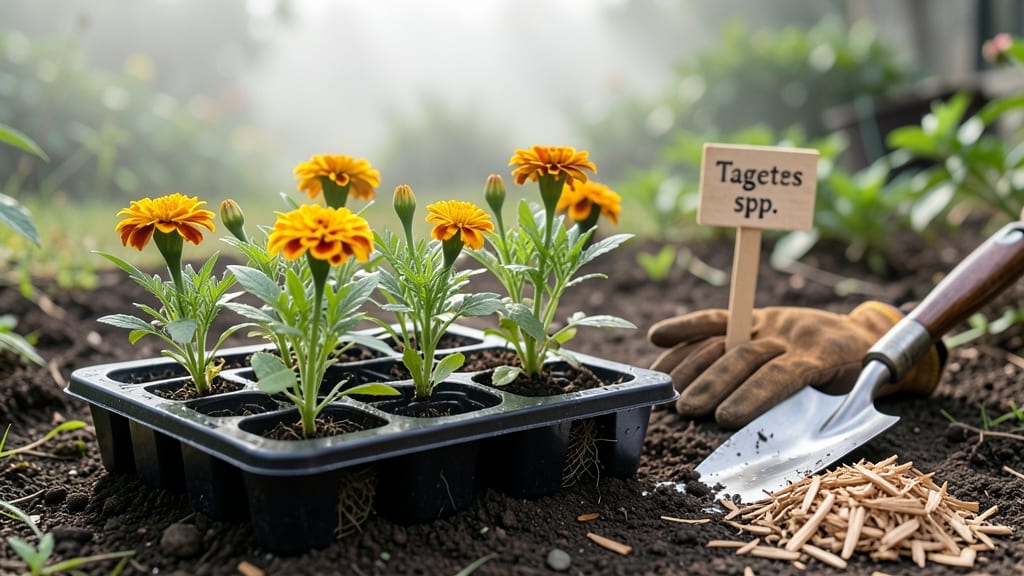
Timing your marigold planting in Michigan can mean the difference between a vibrant 🌼 garden and a sad, frost-nipped disappointment. With Michigan’s USDA Zones 5b-6b climate, knowing when to plant is everything—especially when those last frost dates can shift from late April to early May depending on your region.
I’ve planted marigolds in Michigan for years, and I’ve learned the hard way that rushing too early or waiting too late can cut your blooming season short.
Whether you’re starting seeds indoors or sowing directly into the garden, the key is understanding your specific microclimate—whether you’re in Detroit, Grand Rapids, or the Upper Peninsula.
In this guide, I’ll break down the exact planting windows for spring and fall, plus pro tips to extend your marigold season.
You’ll discover how to time your plantings for peak blooms from June to October, avoid common mistakes, and even push your season earlier or later with simple tricks.
Ready to turn your Michigan garden into a marigold paradise? Let’s get started with the frost-free timeline that works for your zone.
Michigan marigold planting calendar: exact dates by USDA Zone 6b-7a
Timing your marigolds right in Michigan means the difference between vibrant blooms all summer and sad, frost-nipped seedlings. Since Michigan spans USDA Zones 6b-7a, your last frost date varies—typically April 15 in Detroit but as late as May 1 in Grand Rapids.
Marigolds thrive in warmth, so wait until soil hits 50°F (10°C) before planting.
For spring planting, aim for April 15–May 15 after frost risk passes. Fall planting works too—sow seeds August 1–September 1 for late-season color. Michigan’s short growing season demands precision, so don’t rush! Marigolds grow fast once warm, but cold soil slows germination.
Here’s your region-specific planting timeline, including when to start seeds indoors vs. direct-sowing outdoors:
| Stage | Action | USDA Zone 6b (Detroit) | USDA Zone 7a (Grand Rapids) |
|---|---|---|---|
| Start Seeds Indoors | 4–6 weeks before last frost | March 15–April 1 | March 20–April 5 |
| Direct Sow Outdoors | After last frost, soil 50°F+ | April 15–May 15 | May 1–May 15 |
| Fall Planting | 8–10 weeks before first frost | August 1–September 1 | August 15–September 10 |
| First Frost Risk | Average date | October 15 | October 20 |
Pro tip: Use row covers to extend your spring window by 2–3 weeks if frost sneaks in. In Zone 6b (Detroit), you can push fall planting to September 15 with protection, while Zone 7a (Grand Rapids) gardeners might squeeze in a late planting until September 25.
Marigolds are annuals in Michigan, so don’t waste time on perennials—focus on succession planting every 2–3 weeks for nonstop blooms. Start with French marigolds (like ‘Bonanza’) for heat tolerance or African marigolds (like ‘Crackerjack’) for bold color. Both thrive in Michigan’s climate once the ground warms.
For container gardening, plant marigolds after Memorial Day (May 25) to avoid cold soil. Containers warm faster than ground beds, but still wait until nighttime temps stay above 50°F (10°C). Use black plastic mulch to speed up soil warming by 5–10°F—a game-changer for early spring plantings.
Remember: Michigan’s Upper Peninsula (Zone 5b) has later last frosts (May 10–20), so adjust your timeline accordingly. If you’re unsure, check your local Michigan State University Extension frost maps for precise dates.
Once planted, marigolds reward you with pest-repelling power and vibrant blooms from June through October. With this schedule, you’ll enjoy 120+ days of color—just don’t let frost catch you off guard! 🌼
How to extend your marigold season in Michigan’s short growing Zone
Michigan’s short growing season (USDA Zones 6b-7a) means marigolds need extra care to thrive from May through October. The key? Strategic timing and protective measures that shield tender seedlings from late frosts and early chills.
With the right approach, you can enjoy continuous blooms for months instead of just a few weeks.
Start by choosing heat-tolerant varieties like 'Bonanza' or 'Tangerine', which handle Michigan’s summer heat better than delicate hybrids. These varieties also resist common pests like nematodes, giving you a double advantage.
Pair them with succession planting—sow new seeds every 2-3 weeks from May through July to stagger blooming cycles.
🌼 Top 3 Marigold Varieties for Michigan
- 1. 'Bonanza' - Heat-tolerant, 36-inch stalks, pest-resistant (🌼🔥)
- 2. 'Tangerine' - Dwarf variety (12"), early bloomer, great for containers (🌼🏺)
- 3. 'French Marigold' - Compact (18"), fragrant, attracts pollinators (🌼🐝)
All three thrive in Michigan’s full sun and well-draining soil.
For earlier blooms, use row covers or cold frames to protect seedlings planted in late April. These create a 5-10°F warmer microclimate, fooling marigolds into thinking spring arrived sooner. Remove covers once true leaves appear (after 2-3 weeks) to avoid overheating.
In fall, plant heat-loving varieties by August 15 to ensure flowers mature before first frost (typically mid-October).
Don’t overlook mulching—apply 2-3 inches of straw around plants to regulate soil temperature. This keeps roots 5-10°F warmer in spring and cooler in summer, preventing stress. Pair mulch with drip irrigation to maintain consistent moisture without wetting foliage (which invites fungal diseases like powdery mildew).
Pro tip: Deadhead spent blooms weekly to encourage non-stop flowering. In Michigan’s climate, this simple step extends the season by 3-4 weeks by redirecting energy from seed production to new buds. Combine this with light fertilization (every 4-6 weeks with 5-10-10 NPK) to keep plants vigorous through September.
With these techniques, your marigolds will outperform expectations—blooming from June through October instead of just July-August. The secret? Work with Michigan’s climate, not against it. Start early, protect seedlings, and keep them fed and watered for season-long color. 🌱