
Plants
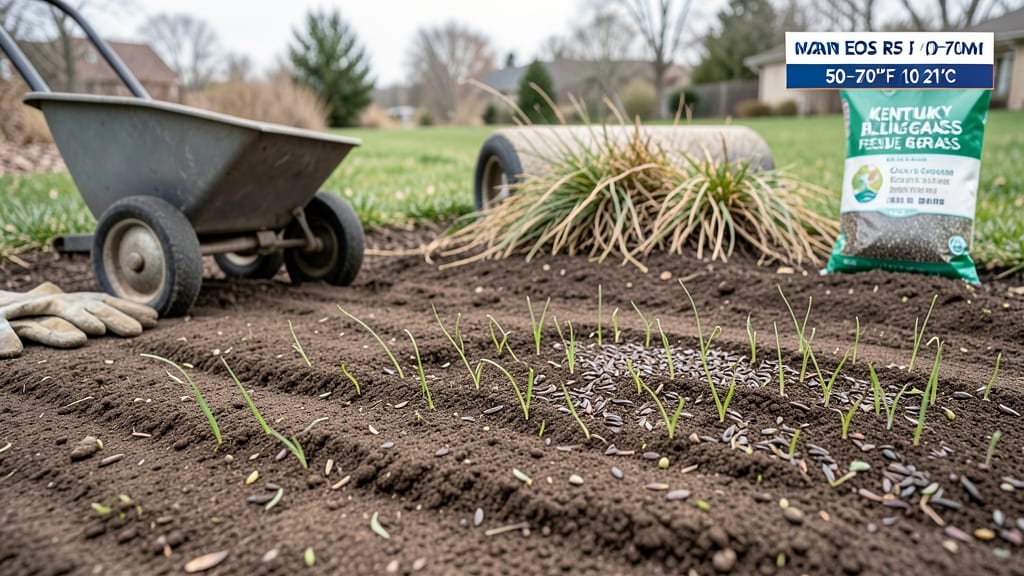
The perfect timing for planting new grass seed in spring isn't just about the calendar—it's about soil temperature, and getting it wrong can mean the difference between a vibrant lawn and months of frustration.
Most gardeners rush to plant as soon as the weather warms, but cold soil can actually kill your seeds before they even sprout. In Zone 6a, where last frost typically hits around mid-April, waiting for soil to reach 55–65°F (instead of air temperature) is the key to success.
You might think early spring is the only window, but planting too soon—before the ground warms—often leads to slow germination or moldy seeds. The 14–30 day establishment period for grass seed depends entirely on soil conditions, not just your enthusiasm.
I’ve seen lawns fail because of this exact mistake, and it’s completely avoidable with the right approach.
What you’ll discover here is how to read your soil’s temperature cues, choose the right grass seed for your climate, and avoid the 3 biggest mistakes that sabotage spring plantings. Whether you’re dealing with cool-season grasses like Kentucky Bluegrass or warm-season types like Bermuda, timing matters more than you think.
Let’s break down the science behind soil warmth, regional adjustments, and the exact steps to ensure your grass seed takes root—without the guesswork. Your future lawn will thank you.
How to determine the perfect soil temperature for planting grass seed in spring
Spring grass seed planting success starts with understanding soil temperature, not just calendar dates. Most grass seeds need soil between 55°F and 65°F to germinate properly—any cooler, and growth stalls; too hot, and seeds dry out.
I’ve learned the hard way that planting too early in chilly soil leads to patchy, slow-growing lawns, while waiting for ideal temps ensures thick, vibrant coverage.
Your first step is to test soil temperature at a depth of 2–3 inches, where seeds will be planted. Use a soil thermometer (available for $10–$20) or borrow one from your local extension office.
Measure temps in the morning (afternoon sun can skew readings) for the most accurate data. Pro tip: Check temps for 5 consecutive days—consistency matters more than a single reading.
Here’s why soil temperature matters so much: Grass seeds need warmth to activate enzymes that break down stored food for germination. Below 50°F, seeds enter dormancy, and above 70°F, they risk drying out before sprouting.
Even the hardiest varieties like tall fescue struggle outside this range. My Zone 6a garden hits ideal temps in early April, but last year’s late frost delayed planting until mid-April—costing me 2 weeks of slower growth.
| Soil Temperature (°F) | Grass Seed Germination Status | Recommended Action | Climate Zones |
|---|---|---|---|
| Below 50°F | Dormant | Wait 2-4 weeks or use cold-hardy varieties | Zones 3-5 |
| 50-55°F | Slow | Plant with row covers or select fast-germinating seeds | Zones 4-6 |
| 55-65°F | Optimal | Best time to plant (most varieties) | Zones 5-9 |
| Above 65°F | Stress Risk | Water frequently or opt for heat-tolerant grass types | Zones 7-10 |
Regional climate plays a huge role in timing. In northern zones (3-5), where frost lingers until late April, aim for early April planting once soil hits 50°F. In southern zones (7-10), soil warms faster—plant in late February to March before summer heat arrives.
I once planted Bermuda grass in June in Zone 8, and it struggled until fall. Lesson learned: Warm-season grasses like Bermuda and Zoysia need cooler spring soil to establish roots before summer stress.
Don’t rely on air temperature alone—soil heats up 2–3 weeks later than the air. For example, a 60°F morning might feel pleasant, but your soil could still be 45°F. Use a soil thermometer for 3 days to confirm trends.
If temps fluctuate daily, wait for 3 consecutive days above 55°F before planting. This patience pays off with uniform germination and fewer weeds competing for space.
Another pro tip: Adjust for microclimates in your yard. South-facing slopes warm faster than north-facing areas, and shaded spots stay cooler. Test soil temps in multiple locations if your lawn has varied sun exposure.
Last spring, my shady backyard stayed 10°F cooler than the sunny front yard—planting the same day in both areas led to uneven growth. I now plant the shade first, then the sun, to match soil conditions.
If you’re in a hurry and soil temps are below 50°F, consider cold-hardy varieties like winter ryegrass or perennial ryegrass, which germinate at 35–40°F. These are great for early spring planting but may not thrive long-term in hot climates.
For most lawns, though, waiting for 55–65°F soil ensures the best results with Kentucky bluegrass, tall fescue, or fine fescue.
Finally, remember that evening soil temps matter too. If mornings hit 55°F but evenings drop back to 45°F, seeds may struggle. Use row covers or black plastic mulch to retain heat if needed.
I’ve used floating row covers in early spring to add 5–10°F of warmth, speeding up germination by nearly a week.
Once you’ve nailed down the perfect soil temperature, the next step is choosing the right grass seed variety for your climate—something we’ll dive into in the next section. For now, grab that soil thermometer and start testing! Your future lawn will thank you. 🌱
Spring grass seed planting timeline by u.s. climate Zone and seed type
Planting grass seed in spring isn’t a one-size-fits-all task—your climate zone and grass type dictate the perfect window. Cool-season grasses like Kentucky Bluegrass thrive in early spring, while warm-season varieties such as Bermuda need summer’s heat. Let’s break it down by zone to avoid common mistakes and maximize success.
For Zones 3–5, focus on early April to mid-May for cool-season grasses, ensuring soil temperatures hit at least 50°F. Warm-season grasses aren’t suitable here—save them for summer.
In Zones 6–7, you’ve got flexibility: plant cool-season grasses from mid-April to early June or warm-season types from late May to early July, but only when soil warms above 60°F.
| Climate Zone | Cool-Season Grass (e.g., Kentucky Bluegrass) | Warm-Season Grass (e.g., Bermuda) | Planting Window |
|---|---|---|---|
| Zones 3-5 | Early April–Mid-May (soil 50°F+) | N/A (plant in late spring/early summer) | Avoid late frost dates |
| Zones 6-7 | Mid-April–Early June | Late May–Early July | Monitor soil temp >60°F for warm-season |
| Zones 8-10 | Late February–March (winter planting) or September | March–April (before summer heat) | Avoid summer planting |
In Zones 8–10, you can plant cool-season grasses as early as late February or shift to September for fall planting. For warm-season grasses, aim for March–April—but skip summer planting entirely, as the heat stresses seeds. Always check your last frost date and adjust if early frosts linger.
Pro tip: If you’re in a high-altitude area (e.g., Colorado, Utah), plant 4–6 weeks later than the zone guidelines, as cooler temps delay germination. For drought-prone zones, opt for drought-resistant varieties like Tall Fescue and water deeply but infrequently to encourage deep root growth.
Remember, soil temperature trumps calendar dates—always verify with a soil thermometer before planting. Cool-season grasses need 50–65°F, while warm-season types prefer 65–75°F. Miss this, and you risk slow germination or seed rot.