
Plants
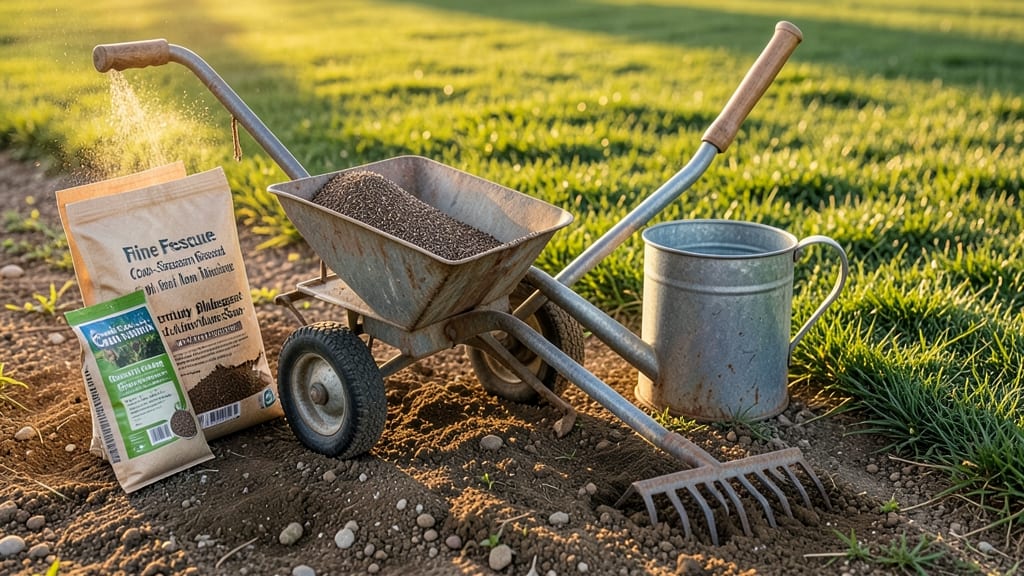
If you’ve ever stared at a patchy lawn in Colorado and wondered when can you plant grass seed without wasting money on frost-killed seedlings, you’re not alone.
The Centennial State’s dramatic elevation shifts—from 5,000 feet in Denver to 10,000+ feet in the mountains—mean the "perfect" planting window varies wildly by location.
Most gardeners assume early spring is the only safe bet, but that’s only half the story. In USDA Zones 5-7, late summer and early fall often offer cooler soil temperatures and fewer weeds, giving your 🌱 turfgrass a fighting chance.
The key? Timing it 4-6 weeks before the first frost—or risk watching your hard work vanish overnight.
Let’s break down the exact frost-free timeline by elevation, including Front Range vs. Western Slope differences, and why soil temperature matters more than your calendar. You’ll learn how to read Colorado’s unpredictable weather patterns and choose the best month for your yard—whether you’re seeding in March or September.
By the end, you’ll know not just when to plant, but how to prep your soil, pick the right grass variety for your altitude, and avoid the 3 biggest mistakes that turn seed into dust. Ready to grow a lawn that lasts?
Colorado grass seed planting timeline by elevation Zone (with frost-free dates)
Colorado’s elevation zones create wildly different planting conditions—what works in Denver (5,280 ft) fails at 10,000 ft in the Rockies. Your last frost date shifts from mid-April in the Front Range to late May in mountain valleys.
Even microclimates (like urban heat islands) can push your window earlier by 2-3 weeks.
I’ve broken this down by three critical zones: Front Range (Denver/Boulder), Foothills (6,000–8,000 ft), and High Mountains (8,000+ ft). Use your elevation and soil temperature (not just calendar dates) to decide when to plant. Pro tip: Check Colorado State University’s frost maps for real-time updates.
| Elevation Zone | Avg. Last Frost | Ideal Planting Window | Soil Temp Threshold | Key Varieties |
|---|---|---|---|---|
| Front Range (5,000–7,000 ft) | April 15 | March 15–April 30 | 50°F (10°C) | Tall fescue, Kentucky bluegrass |
| Foothills (6,000–8,000 ft) | May 1 | April 1–May 15 | 45°F (7°C) | Creeping red fescue, fine fescue |
| High Mountains (8,000+ ft) | May 20 | May 1–June 15 | 40°F (4°C) | Alpine bluegrass, hardy ryegrass |
For Colorado Springs (6,000 ft), aim for early April—soil warms faster than Denver due to lower humidity. In Boulder’s urban areas, sidewalks and buildings create heat islands, letting you plant 2 weeks earlier than rural zones.
Always test soil with a soil thermometer; seeds need consistent warmth to germinate.
Fall planting is also viable in lower elevations (Front Range). Seed in late August–September when soil stays above 50°F (10°C) at night. High-altitude areas? Skip fall—cool nights stall germination. Use mulch to insulate seeds if planting near frost dates.
Watch for unpredictable spring storms that can wash away seed. In Western Colorado (Grand Junction, Durango), last frosts hit March 20–April 1, but desert climates dry out fast—water daily for the first 2 weeks.
Elevation isn’t everything; slope exposure matters too. South-facing hills warm 3–5°F faster than north slopes.
If you’re in Denver’s metro area, check your USDA Zone (5b–6a). Zone 5b (higher elevations) needs cold-hardy varieties like tall fescue mixes, while Zone 6a (lower areas) can handle Kentucky bluegrass. Pro move: Mix cool-season and warm-season grasses for year-round coverage.
Don’t ignore rainfall patterns. Front Range spring showers help germination, but Western Slope droughts require drip irrigation. Time seeding with predicted rain—check NOAA forecasts 1–2 weeks out.
For high-traffic lawns, add starter fertilizer with mycorrhizal fungi to boost root growth in thin, rocky soils common above 7,000 ft.
Remember: Colorado’s growing season is short at high elevations. In Aspen (8,000 ft), you’ve got only 90 frost-free days—plant fast-growing varieties like hardy ryegrass to establish before winter. For lowland areas (Pueblo, 5,000 ft), stretch your window into late May with heat-tolerant buffalo grass mixes.
Final tip: Overseed in fall if you planted in spring. Cool temps and moisture create thicker turf with less weed competition. Just don’t wait past September 15—seedlings need 6–8 weeks to root before frost.
5 Critical signs your Colorado soil is ready for grass seed (before planting)
Colorado’s unpredictable spring weather can make or break your grass seed success. Planting too early risks frost damage, while waiting too long means summer heat will stress young seedlings. The key? Checking these 5 soil readiness signs before dropping a single seed.
First, soil temperature must reach at least 50°F (10°C)—cold soil slows germination. Use a soil thermometer (or the back of your hand—if it feels cool, it’s not ready).
Most Colorado regions hit this mark in late April to early May at lower elevations, but high-altitude areas may wait until June.
Next, ensure your soil is moist but not soggy. Press a handful—it should hold shape but crumble easily. Colorado’s dry spring winds can dry soil quickly, so water deeply 24 hours before planting to create the perfect moisture balance for seed germination.
| Sign | What to Check | Colorado Timing |
|---|---|---|
| Soil Temperature | 50°F+ (10°C) at 4" depth | Late April–June (higher elevations) |
| Moisture Level | Damp but drains well | After spring rains or irrigation |
| Weed Competition | <50% ground cover | Pre-treat with herbicide 2 weeks before |
| Soil pH | 6.0–7.5 (test with kit) | Adjust with lime/sulfur if needed |
| Frost Risk | No hard frost forecast | Check NOAA 10-day outlook |
Don’t overlook weed suppression—competition from crabgrass or clover can choke out your new grass. Aim for less than 50% weed cover before planting. If weeds are rampant, apply a pre-emergent herbicide 2 weeks prior to seeding.
Finally, test your soil pH with a simple kit (available at garden centers). Colorado’s alkaline soils often need adjustment—lime raises pH, while sulfur lowers it. Ideal pH for most grasses is 6.0–7.5. Amend your soil 1–2 weeks before planting to avoid disrupting seeds.
Pro tip: Plant when rainfall is forecasted—Colorado’s late spring showers can save you from daily watering. Check the NOAA 10-day outlook for your region to align seeding with natural moisture.