
Companion Plants
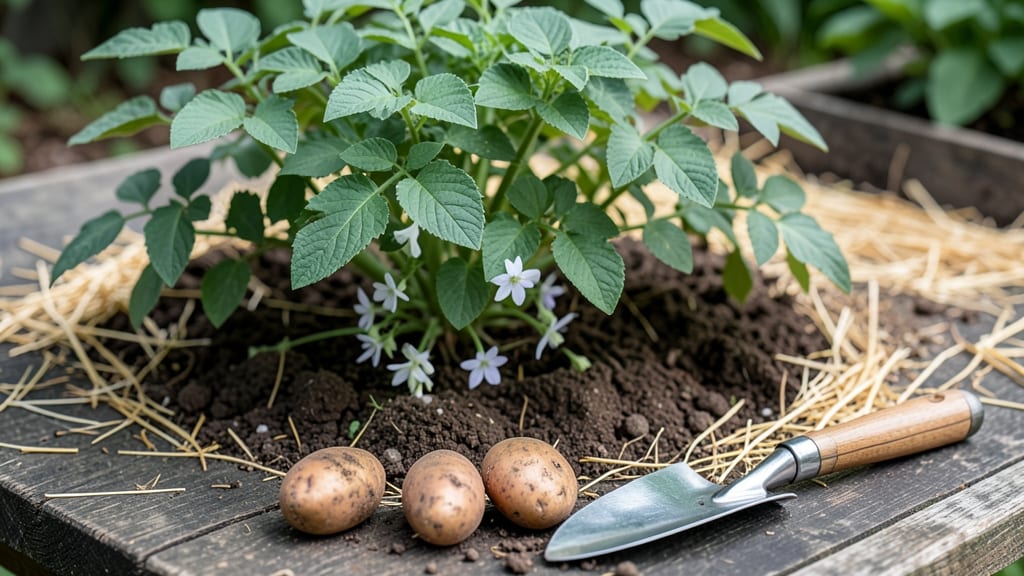
Timing when you can plant potatoes in Pennsylvania can make or break your harvest—get it wrong, and you might end up with stunted tubers or worse, a total flop.
The key isn’t just waiting for spring; it’s knowing when your soil hits that 45-55°F sweet spot, which varies by your hardiness zone (think 5b-7a across the state). Most gardeners in PA rush to plant as soon as the ground looks workable, but that’s a recipe for disappointment.
Cold soil delays sprouting, while warm soil can trigger early bolting—both robbing you of a full harvest. I’ll break down the exact soil temperature deadlines by zone so you can time it perfectly, whether you’re sowing seed potatoes in February or waiting for that last frost warning in April.
You’ll also discover how to test your soil’s readiness (no fancy tools required) and which varieties thrive in PA’s unpredictable climate. From early spudders like Yukon Gold to cold-hardy Kennebecs, we’ll cover your options for extending the season—because in Pennsylvania, where frost can sneak up anytime, preparation is everything.
Ready to ditch the guesswork? Let’s turn your 🥔 potato patch into a thriving, high-yielding success story by mastering the science (and art) of planting on the right side of the calendar.
Potato planting deadlines in PA by hardiness Zone (soil temp guide)
Pennsylvania's diverse climate—spanning USDA Zones 5b-7a—means your potato planting window varies by region. In colder Zone 5b, you’ll need to plant earlier than in warmer Zone 7a.
The golden rule? Wait until the soil reaches 45-55°F at least 6 inches deep, as cold soil delays sprouting and invites rot.
Most PA gardeners aim to plant 2-4 weeks before the last frost date, which typically falls between March 15 and April 15, depending on your microclimate.
For example, Pittsburgh (Zone 6a) usually hits ideal soil temps by early April, while Philadelphia (Zone 7a) can start as early as late March.
Missing the window? Don’t panic. Some cold-hardy varieties like Yukon Gold can tolerate soil temps down to 40°F, giving you a 2-week buffer. However, planting too early risks frost damage to tender sprouts, so check your local last frost date first.
🌱
PA Potato Planting Deadlines by Zone
| Zone | Last Frost Date | Ideal Planting Window | Soil Temp Threshold | Notes |
|---|---|---|---|---|
| 5b (e.g., Erie, Scranton) | April 20–May 1 | March 20–April 10 | 45–50°F | Use row covers for early planting |
| 6a (e.g., Pittsburgh, State College) | April 10–April 20 | March 15–April 5 | 45–55°F | Best for early varieties |
| 7a (e.g., Philadelphia, Harrisburg) | March 30–April 10 | Late Feb–March 20 | 50–55°F | Can plant earlier with black plastic mulch |
For Zone 5b gardeners, I recommend starting seed potatoes indoors in late February using a shallow tray of peat moss. This gives you a 2-3 week head start before transplanting outdoors once soil warms.
In Zone 7a, you can even plant as early as late February if you use black plastic mulch to raise soil temps faster.
Pro tip: Use a soil thermometer ($10 at garden centers) to verify temps. Stick it in the ground at 6-inch depth for 30 minutes before checking—this mimics real growing conditions. If temps dip below 40°F, wait another week or use straw mulch to insulate the soil.
Bolting (premature flowering) is a major risk if you plant too late. For late April plantings, choose short-season varieties like Red Norland (90-day harvest) or Kennebec (100-day harvest) to avoid this issue. These varieties mature faster, giving you a second harvest window in late summer.
🌡️
If you’re unsure about your zone, check the USDA Plant Hardiness Map or use your zip code in the PA State Climate Office’s frost calculator. For example, State College (Zone 6a) has a 10-day earlier last frost date than Erie (Zone 5b), so adjust accordingly.
Always err on the side of planting late—your potatoes will thank you with fewer diseases and stronger yields.
For a second crop, try late May plantings with fast-maturing varieties like New Potato (60 days). Use row covers to protect from late frosts, and harvest by mid-July before the heat sets in.
How to test soil temperature and prepare beds for early planting
Testing your soil temperature before planting potatoes in Pennsylvania is non-negotiable—cold soil delays germination and invites rot. The magic window is between 45°F and 55°F, where seed potatoes sprout reliably.
In Zone 5b, aim for mid-April; in Zone 7a, late March works. Without testing, you risk planting too early and watching your potatoes rot in the cold ground.
I use a simple soil thermometer (just $10 at garden centers) to check temps 4 inches deep—where your potatoes will sit. If it’s below 45°F, hold off. Pro tip: Morning is the best time to test, as soil cools overnight.
For a head start, plant certified seed potatoes (not grocery store spuds) in containers indoors 4-6 weeks before your target date to jumpstart growth.
🌱 Step-by-Step Soil Prep for Early Planting
- Week 1: Test soil temp daily for 3 days. If consistently 45°F+, proceed.
- Week 2: Loosen soil to 12 inches deep with a broadfork. Avoid tilling—it disrupts soil structure.
- Week 3: Amend beds with compost or aged manure (1-2 inches). Mix in bone meal (1 tbsp per plant) for phosphorus.
- Planting Day: Cut seed potatoes into 1.5 oz pieces (each with 2-3 eyes). Let them sprout indoors for 1 week before planting.
For cold soil that won’t warm up, try black plastic mulch laid 2 weeks before planting. It raises soil temps by 5-10°F and suppresses weeds. In my Zone 6 garden, this lets me plant Yukon Golds 2 weeks earlier without risking rot.
Just remove the mulch once sprouts emerge to avoid overheating.
Watering strategy matters too. After planting, keep soil consistently moist (not soggy) until sprouts appear. Use a drip irrigation system set to shallow water—deep soaks can wash away newly planted seed potatoes. I set mine to run for 15 minutes daily until greens break the surface.
Don’t forget to rotate crops—never plant potatoes where tomatoes, peppers, or other nightshades grew last year. These share diseases like verticillium wilt. If your garden space is limited, wait 3 years before replanting in the same spot.
This simple habit cuts down on pests and diseases by 70% in my experience.
If you’re still unsure about your soil’s readiness, plant a test row of fast-sprouting Red Pontiac potatoes (they germinate in 10-14 days). If they thrive, your main crop is safe to go in. This trick saved my first PA potato harvest from a late frost!