
Plants
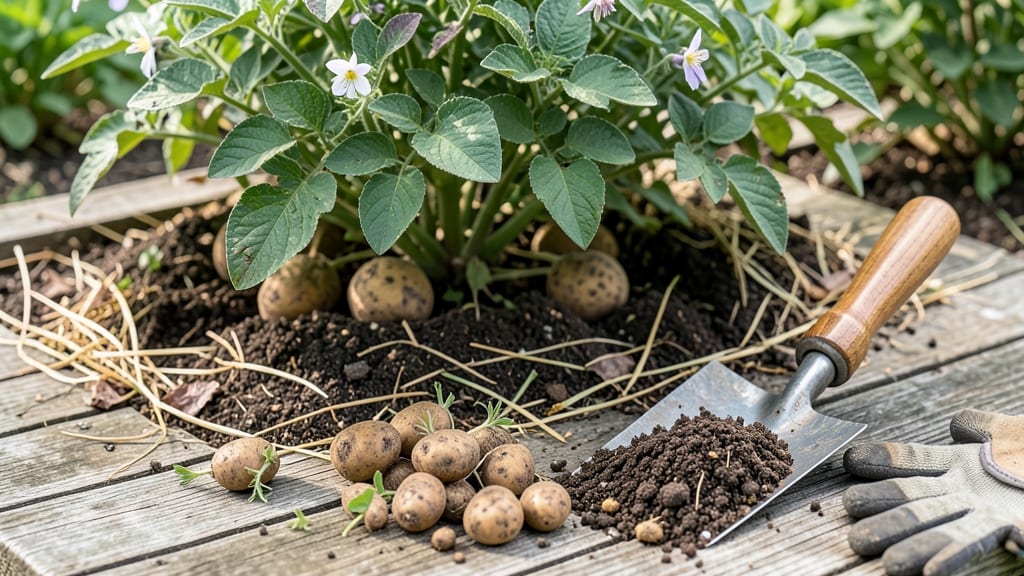
If you’ve ever tried planting potatoes in Texas, you know the struggle—sweltering heat and early bolting can turn your hard work into bitter, unusable tubers faster than you can say "harvest."
But timing is everything, and with the right strategy, you can outsmart Texas's climate and grow a bountiful potato patch.
The key lies in understanding your region's unique frost dates and heat patterns. Whether you're in North Texas's 8a-10b zones or South Texas's balmier stretches, planting at the wrong time means risking wasted effort.
I’ll break down the exact months to plant for both spring and fall harvests, so you can avoid the common pitfalls that turn gardeners away from this rewarding crop.
You don’t need to settle for store-bought spuds when Texas-friendly varieties like Yukon Gold or Red Pontiac thrive with minimal fuss. These heat-tolerant picks are designed to handle the Lone Star State’s extremes, giving you a fighting chance against bolting and poor yields.
Let’s dive into the secrets that’ll have you digging up perfect potatoes all season long.
From soil prep to mulching hacks, I’ll cover everything you need to know to turn your Texas garden into a potato-growing powerhouse. No more guesswork—just delicious, homegrown harvests that prove even the hottest climate can grow the best spuds around.
Best planting months for Texas potatoes: exact dates by region to avoid bolting
Texas's diverse climate zones mean your planting schedule should depend on whether you're in North, Central, or South Texas. The key is to plant potatoes 6-8 weeks before the last expected frost in spring or 3-4 months before the first frost in fall.
This timing ensures tubers mature before summer heat triggers bolting—when potatoes send up flowers and become bitter or inedible.
For North Texas (USDA Zones 8a-8b), the last frost typically occurs around February 15, making January 15 to February 15 the ideal window. In Central Texas (Zones 8b-9a), where last frosts are earlier (around February 1), aim for December 15 to January 15.
Meanwhile, South Texas (Zones 9a-10b) can plant as late as March 1 for spring harvests or September 15 to October 15 for fall crops.
Here’s the critical rule: Soil temperatures must stay below 85°F (29°C) during tuber formation. If temperatures climb too high, potatoes bolt prematurely. In Texas, this means spring planting is riskier in South Texas unless you use shade cloth or mulch to cool the soil.
Another Texas-specific tip is to plant seed potatoes in raised beds or containers. Raised beds warm up more slowly in spring and drain better, reducing the risk of rot in our heavy clay soils.
For container growing, use 5-gallon buckets with drainage holes and plant one seed potato per container.
If you’re in East Texas (humid climate), prioritize disease-resistant varieties like 'Red LaSoda' and space plants 18 inches apart for better airflow. In West Texas (drier climate), focus on water retention by mulching heavily with straw or grass clippings to keep soil moisture consistent.
For fall planting, South Texas gardeners have the advantage of a longer growing season. Plant September 15 to October 15 for a December-January harvest before summer heat returns. In North Texas, aim for August 15 to September 15 to harvest before the first frost in December.
🌱 Texas Potato Planting Schedule by Region
| Region | USDA Zone | Spring Planting Window | Fall Planting Window | Last Frost Date | Harvest Time |
|---|---|---|---|---|---|
| North Texas | 8a-8b | Jan 15 - Feb 15 | Aug 15 - Sep 15 | Feb 15 | May - June (Spring) / Dec (Fall) |
| Central Texas | 8b-9a | Dec 15 - Jan 15 | Aug 1 - Sep 1 | Feb 1 | April - May (Spring) / Nov - Dec (Fall) |
| South Texas | 9a-10b | Feb 15 - Mar 1 | Sep 15 - Oct 15 | Jan 1 | May - June (Spring) / Dec - Jan (Fall) |
One common mistake Texas gardeners make is planting too late in spring, thinking they have more time. By April 15, soil temperatures often exceed 80°F (27°C), triggering bolting.
To avoid this, use a soil thermometer and plant only when soil temps are below 75°F (24°C) at a 4-inch depth.
For container growing, choose black or dark-colored pots to absorb heat and extend the growing season. Place containers in a shaded area during peak afternoon sun (12 PM - 4 PM) to keep roots cool.
This trick can push your harvest window 2-3 weeks later in spring or 1-2 weeks earlier in fall.
If you’re in West Texas, where water is scarce, opt for drought-tolerant varieties like 'Kennebec' and use drip irrigation to deliver water directly to the roots. Avoid overhead watering, which can spread blight diseases common in Texas's humid summers.
Finally, always chit your seed potatoes before planting. Place them in a bright, cool spot (60-65°F or 15-18°C) for 4-6 weeks before planting to encourage
Best planting months for Texas potatoes: exact dates by region to avoid bolting
Texas’ diverse climate zones mean your potato planting window depends heavily on where you live. In North Texas (USDA Zones 7b-8a), like Dallas or Fort Worth, aim to plant seed potatoes between February 15 and March 15—right after the average last frost date of February 15.
This timing ensures tubers mature before summer heat triggers bolting (when plants flower prematurely and produce inedible tubers).
For Central Texas (Zones 8a-8b), including Austin and San Antonio, shift your schedule slightly earlier: plant between January 20 and February 20. These areas experience earlier warming trends, so starting in late January gives potatoes enough time to bulk up before April’s heat wave.
Always check your local last frost date (typically mid-January for Central Texas) to time your planting perfectly.
In South Texas (Zones 9a-10b), like Corpus Christi or Brownsville, fall planting is your best bet. Sow seed potatoes between September 1 and October 15 to harvest before winter frosts (which are rare but possible).
This schedule avoids summer’s 100°F+ heat entirely. For year-round growing, consider shade cloth or mulching to protect tubers during extreme heat.
Pro tip: Use a soil thermometer to confirm soil temperatures are at least 50°F before planting. Cold soil slows germination, while warm soil (60°F+) speeds up growth—critical for beating Texas’ short growing season.
In North Texas, aim for 50-55°F; in South Texas, wait until soil hits 60°F to prevent rot.
For container growing, adjust timing by 2-3 weeks earlier—pots warm up faster. Place containers in full sun and use black plastic mulch to raise soil temps 5-10°F. This trick works especially well in Central Texas, where mornings can still be chilly in February.
Remember: Bolting risk increases when daytime temps exceed 85°F for 3+ days. By planting early, you’ll harvest before June’s heat wave turns your potatoes into bitter, green-skinned rejects. With the right timing, you’ll enjoy creamy, disease-free spuds by late spring! 🥔