
Flowers
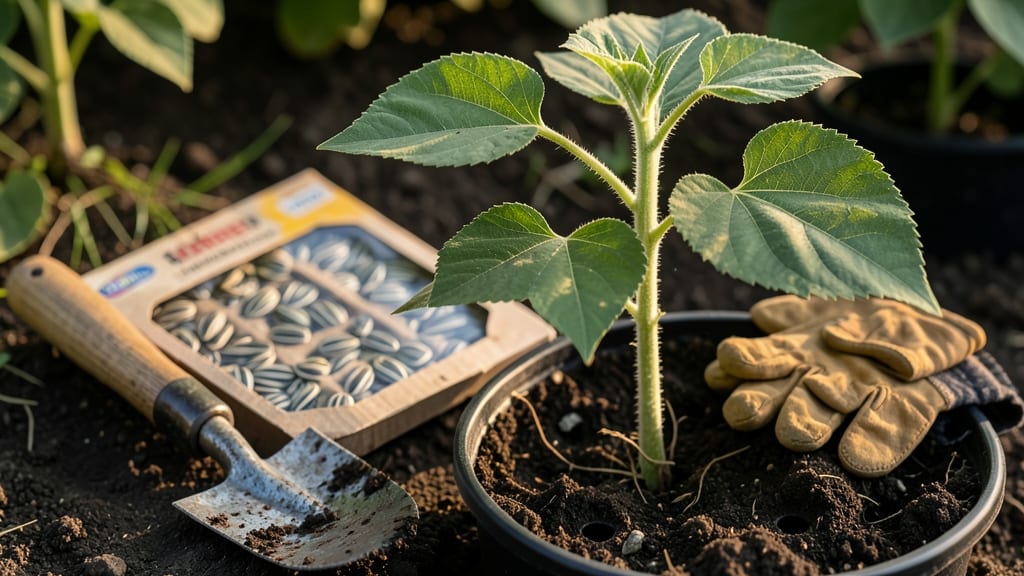
If you've ever dreamed of growing towering, golden sunflowers 🌻 in your Florida garden but wondered when to plant them for the best results, you're in the right place. Florida's unique climate means you can enjoy these cheerful blooms year-round—but timing still matters to avoid wilting before they even bloom.
The key to fast, vibrant sunflowers lies in understanding Florida's heat zones, from the Panhandle to the Keys. Unlike northern gardeners, you don’t have to wait for spring—you can plant sunflowers in late winter or late summer for continuous blooms.
But there are still critical windows to maximize their growth and avoid common pitfalls like heat stress or pests.
In this guide, I’ll break down the exact planting schedule for your region, including soil prep tips and heat-beating strategies. Whether you're a first-time gardener or a seasoned pro, you’ll learn how to grow sunflowers that reach their full potential—even in Florida’s intense summer sun.
Ready to transform your garden into a sunflower paradise? Let’s dive into the best times to plant and keep those blooms thriving all year.
Florida sunflower planting calendar by heat zone (north vs south)
Sunflowers thrive year-round in Florida, but optimal planting times vary dramatically between the Panhandle (North) and Keys (South). Unlike colder climates, Florida’s frost-free zones (USDA 9a-11) let you grow sunflowers in two prime windows: early spring and late summer.
Let’s break down the best months for each region to maximize blooms.
For North Florida (Panhandle), cooler winters mean earlier spring plantings (January-February) and late summer (August-September) to avoid summer wilting. In contrast, South Florida (Miami to Keys) can plant year-round, but spring (March-April) and fall (October-November) yield the most vibrant blooms.
Here’s the key difference: North Florida benefits from soil warming in spring (target 55°F+), while South Florida must avoid peak summer heat (June-July) to prevent stress. Both regions can extend blooms by succession planting every 4-6 weeks.
| Region | Best Planting Windows | Soil Temp Threshold | Avoid These Months | Bloom Time |
|---|---|---|---|---|
| North Florida (Panhandle) | Jan-Feb, Aug-Sep | 55°F+ | June-July | Spring (Apr-May), Fall (Oct-Nov) |
| Central Florida (Orlando/Tampa) | Feb-Mar, Aug-Sep | 60°F+ | June-July | Spring (Apr-Jun), Fall (Sep-Oct) |
| South Florida (Miami/Keys) | Year-round (best: Mar-Apr, Oct-Nov) | 65°F+ | None (but avoid peak summer) | Spring (Apr-May), Fall (Sep-Nov) |
🌱 Pro Tip: Use black plastic mulch in summer to raise soil temps for faster germination.
If you’re in North Florida, start seeds indoors in December for early blooms, then transplant outdoors by mid-February. For South Florida, direct-sow in March or October to align with natural rainfall patterns and avoid humidity-related diseases.
For continuous blooms, stagger plantings every 3-4 weeks from February to September. This ensures fresh flowers from spring through fall, even in Florida’s heat. Just watch for overcrowding—sunflowers need 12-24 inches of space to thrive.
One common mistake? Planting too late in summer (July-August). While possible, high humidity and intense sun can stress seedlings. Instead, opt for heat-tolerant varieties like ‘Moulin Rouge’ (red blooms) or ‘Autumn Beauty’ (multi-colored) for summer plantings.
Remember: Florida’s no-frost rule means you can experiment with winter sunflowers (December-January) in South Florida), but growth will be slower. For fastest results, stick to the spring and fall windows outlined above.
Now that you’ve got your planting timeline locked in, let’s tackle how to keep those sunflowers blooming through Florida’s brutal summer heat—next up in Section 2! ☀️
How to extend sunflower blooming season in Florida’s extreme heat
Florida’s summer heat can turn your sunflower dreams into a wilting nightmare—but with the right strategies, you can enjoy bold, continuous blooms year-round. The key is heat management, not just timing.
Even in 90°F+ temperatures, sunflowers can thrive with proper care, especially if you choose the right varieties and adjust your growing techniques.
First, focus on heat-tolerant sunflower varieties like ‘Moulin Rouge’ or ‘Autumn Beauty’. These varieties handle Florida’s intense sun better than standard types. Plant them in late summer (August-September) for a stunning fall display, or try dwarf varieties like ‘Teddy Bear’ for easier heat management in containers.
🌻
5 Heat-Beating Strategies for Florida Sunflowers
- Shade cloth magic: Use 30-50% shade cloth during the hottest afternoon hours (12 PM–4 PM) to protect young plants. Remove it by late afternoon to avoid stunted growth.
- Deep watering: Water deeply once a week (1–2 inches per week) rather than daily shallow watering. This encourages strong root development that resists heat stress.
- Mulch like a pro: Apply 3–4 inches of organic mulch (straw or wood chips) to retain soil moisture and keep roots cool. Avoid plastic mulch—it traps heat.
- Choose the right soil: Amend heavy Florida clay with compost or sand to improve drainage. Sunflowers hate soggy roots! Aim for well-draining, slightly acidic soil (pH 6.0–7.0).
- Succession planting: Stagger plantings every 2–3 weeks from February to September for a continuous bloom cycle. This ensures some plants are always in their coolest growth phase.
Another game-changer? Container growing. Sunflowers in pots let you move them to shadier spots during heatwaves or place them on patio floors where soil stays cooler. Just ensure containers have drainage holes and use lightweight potting mix to prevent overheating.
Watch for heat stress signs like yellowing leaves or drooping stems. If you see these, provide immediate shade and increase watering temporarily. With these tactics, your sunflowers will bloom beautifully even in Florida’s fiercest heat.
💧