
Plants
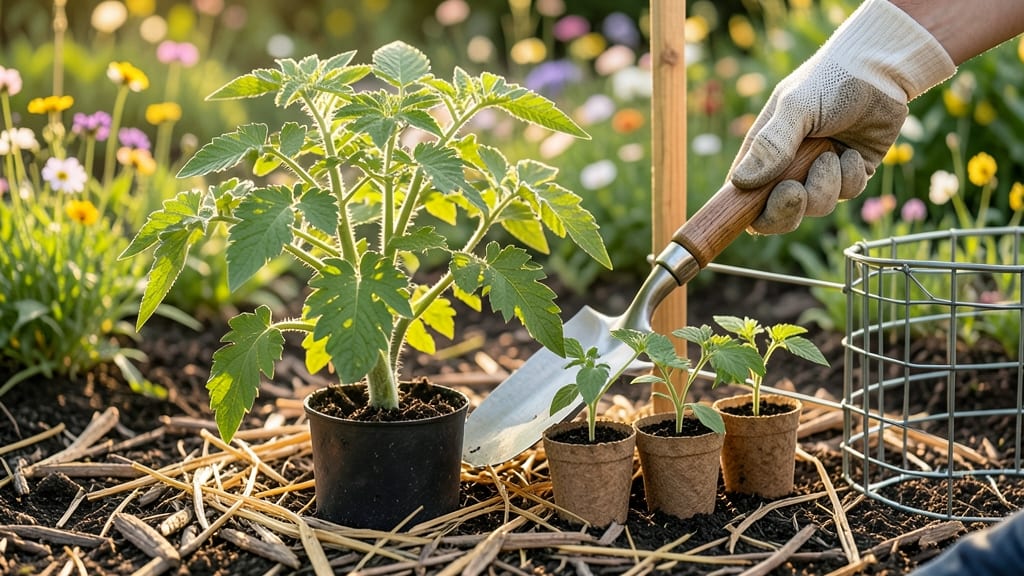
Timing when you can plant tomatoes in Massachusetts can mean the difference between a bumper crop and a sad, frost-nipped failure.
Unlike warmer climates where you can toss seeds anytime, New England gardeners need to play by Mother Nature's strict rules—especially with USDA zones 5b-6b that swing from icy springs to sudden late frosts.
You've probably heard the classic advice: "Wait until after the last frost," but here's the catch—Massachusetts doesn't have one frost date. Coastal areas like Cape Cod warm up weeks earlier than inland spots like the Berkshires, where chilly pockets can linger well into May.
That mid-April to early June window isn't just a suggestion; it's your golden ticket to avoiding both early freezes and missing peak harvest season.
Let me show you exactly how to decode your local frost dates, whether you're starting seeds indoors in March or transplanting young plants outdoors in May.
We'll cover the three key factors that separate successful gardeners from those who end up with sad, blackened tomato plants—so you can finally grow those juicy heirloom beefsteaks you've been dreaming about.
From soil temperature tricks to regional microclimates that can add weeks to your growing season, this is your no-fluff guide to planting tomatoes in Massachusetts. No more guessing games—just science-backed timing that actually works for your backyard.
Massachusetts last frost dates by region: exact planting windows for tomatoes
Massachusetts’ diverse microclimates mean your tomato planting window can shift by weeks depending on location. Coastal areas like Cape Cod often see frost-free conditions by mid-April, while inland regions like the Berkshires may wait until late May.
Understanding these regional differences is key to avoiding frost damage or missing your peak harvest season.
For most gardeners, the safe planting window starts after the average last frost date, when soil temperatures consistently reach 60°F or higher. This typically falls between mid-April and early June, but your exact timing depends on where you live.
Let’s break down the frost-free dates for six key Massachusetts regions.
| Region | USDA Zone | Last Frost Date | Safe Planting Window | Notes |
|---|---|---|---|---|
| Boston & North Shore | 6a-6b | April 25 - May 10 | May 1 - May 15 | Urban areas may warm faster; monitor soil temps. |
| Worcester & Central MA | 5b-6a | May 5 - May 15 | May 15 - May 30 | Inland valleys can be 2-3°F cooler than nearby hills. |
| Springfield & Western MA | 5b-6a | May 10 - May 20 | May 20 - June 5 | Higher elevation areas may need cold protection. |
| Cape Cod & Islands | 6b-7a | April 15 - April 30 | April 20 - May 5 | Coastal winds can delay warming; use row covers. |
| Berkshires | 5a-5b | May 15 - May 30 | June 1 - June 15 | Plant in microclimates like south-facing slopes. |
| South Coast (New Bedford, Fall River) | 6b-7a | April 20 - May 5 | May 1 - May 15 | Warmer than inland areas; ideal for early planting. |
If you’re starting tomatoes indoors, begin seeds 6-8 weeks before your region’s last frost date. For example, Berkshires gardeners should start seeds by mid-April, while Cape Cod growers can wait until mid-March. Harden off seedlings for 7-10 days before transplanting outdoors to prevent shock.
For direct-sown tomatoes, wait until soil temperatures reach 60°F—a soil thermometer is your best friend here. In cooler regions like the Berkshires, consider using black plastic mulch or row covers to warm the soil faster.
I’ve found that early-maturing varieties (like ‘Stupice’ or ‘Early Girl’) give me a 2-3 week head start in harvest time.
One common mistake is planting too early based on air temperature alone. Soil temperature is more critical—tomato roots won’t grow below 55°F. Always check a 3-inch depth soil thermometer before planting.
Another tip: avoid planting tomatoes in the same spot yearly, as soil-borne diseases like verticillium wilt thrive in old tomato beds.
For urban gardeners in Boston, microclimates can create 5-7°F temperature differences within just a few blocks. South-facing walls or rooftop gardens often warm up faster, allowing for earlier planting.
If you’re unsure about your local frost dates, check the National Weather Service or your local Cooperative Extension Service for historical data specific to your neighborhood.
Remember, tomatoes need warmth to thrive—below 50°F can stunt growth, and below 32°F will kill plants outright. If a late frost is forecasted after planting, have row covers or cloches ready. I’ve lost entire tomato plants to unexpected late frosts in May, so always stay prepared!
Once you’ve planted, consistent moisture is key—especially during flowering and fruiting. Aim for 1-2 inches of water per week, delivered in the
How to adjust tomato planting for Massachusetts microclimates
Massachusetts’ diverse geography means your tomato planting window can shift by weeks depending on where you live. Coastal areas like Cape Cod often enjoy earlier last frost dates than inland spots like the Berkshires.
Even within cities, urban heat islands can create microclimates where soil warms faster, giving you a head start.
For example, Boston’s North Shore typically sees its last frost around April 20th, while the Worcester area might not be frost-free until May 5th. These differences matter because tomatoes need warm soil—ideally 60°F or above—to thrive after transplanting.
Here’s how to fine-tune your planting strategy based on your local conditions:
🌡️ 5 Key Adjustments for Massachusetts Microclimates
- Coastal Areas (Cape Cod, Islands): Plant 2-3 weeks earlier than inland zones. Use black plastic mulch to warm soil faster in windy conditions.
- Urban Heat Islands (Boston, Worcester): Soil warms 1-2 weeks sooner than rural areas. Start seeds indoors 4-6 weeks before your local last frost date.
- Inland Valleys (Springfield, Berkshires): Wait until May 10th-June 1st due to later frosts. Use cold frames or row covers for early transplants.
- High-Elevation Areas (Berkshires, North Shore hills): Frost risk lingers longer. Opt for early-maturing varieties (60-70 days to harvest) and plant after June 1st.
- Wind-Exposed Sites (Coastal Gardens): Shield seedlings with windbreaks or grow in containers for easier protection.
If you’re unsure about your local frost dates, check the National Weather Service or use a frost calendar from your local Cooperative Extension office. For example, UMass Extension provides updated frost data annually—bookmark their resources!
Another trick? Plant tomato seedlings in containers and move them to the garden after the last frost. This gives you flexibility to adjust timing based on soil temperature rather than just calendar dates. Just ensure containers have drainage holes to prevent root rot.
For high-risk areas, consider succession planting: Start a second batch of seeds indoors in early June. If your first plants get hit by an unexpected frost, the second batch can fill the gap. This works especially well for cherry tomatoes, which mature quickly.