
How To
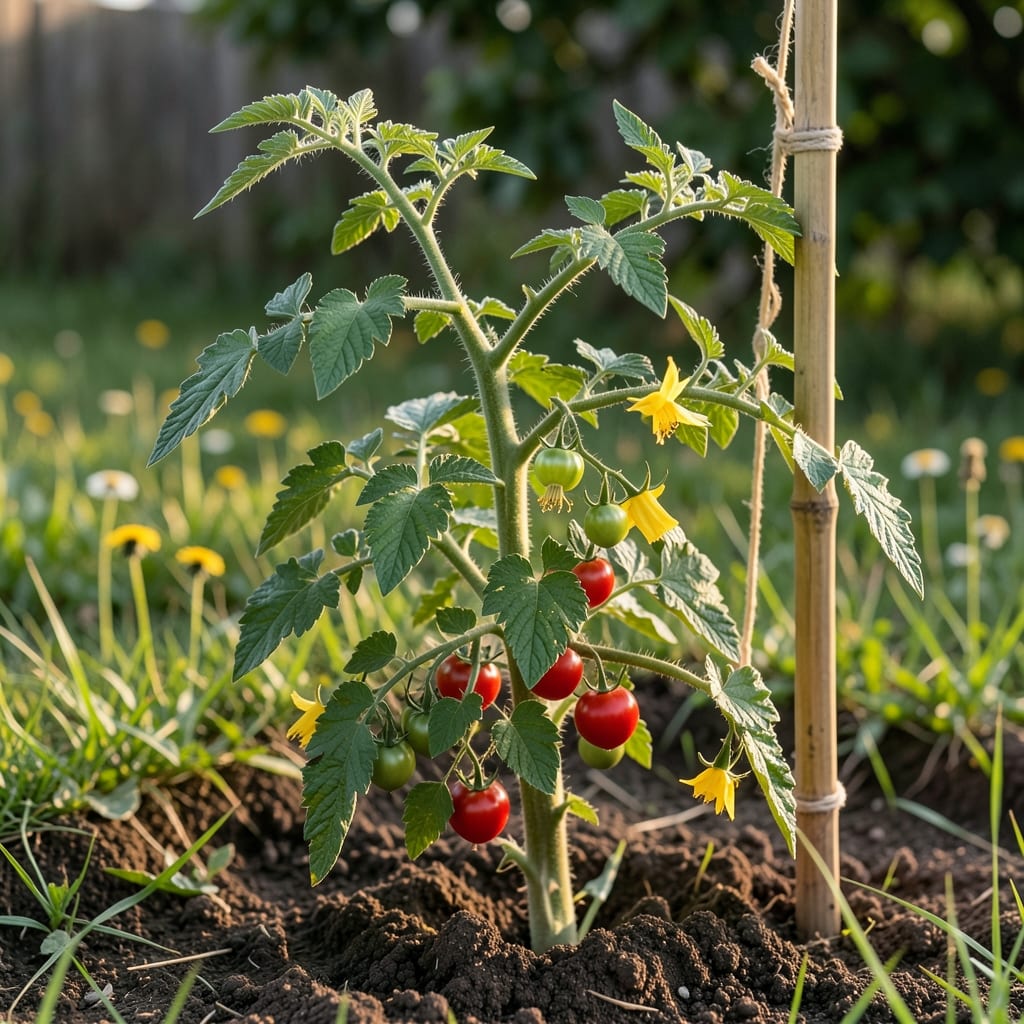
Wondering how tall your cherry tomatoes 🍅 will grow and whether your garden can handle them? The answer depends more on the variety than you might think—and getting it right could mean the difference between a modest harvest and a jaw-dropping bounty.
Some cherry tomato plants stay compact at just 2-3 feet, perfect for small spaces or containers, while others stretch toward the sky, reaching 6 feet or more if given the right support. The key to maximizing their height—and your yield—lies in choosing the right type for your space and giving them proper care.
In this guide, I’ll break down the height ranges of popular varieties, from bushy dwarfs to sky-reaching vines, and share practical tips for spacing, pruning, and support structures. Whether you’re working with 6a zone conditions or limited garden real estate, you’ll learn how to grow taller, healthier cherry tomato plants without sacrificing flavor or space.
Let’s dive into the specifics so you can plan your garden layout with confidence—and get ready for a harvest that’ll make your neighbors green with envy.

Cherry tomato heights by variety: compact bushes vs. towering vines
When planning your cherry tomato garden, the first question on your mind is likely: How tall will my plants grow? The answer varies wildly depending on the variety—some stay neatly contained at 2-3 feet, while others climb like jungle vines toward 8 feet or more. Understanding these differences is key to choosing the right plants for your space and maximizing your harvest.
The two main categories of cherry tomatoes—determinate (bush) and indeterminate (vining)—dictate their growth habits. Determinate varieties grow to a fixed height and produce fruit all at once, making them ideal for small gardens or containers. Indeterminate types, on the other hand, grow continuously throughout the season, requiring sturdy support and more vertical space. Let’s break down the specifics so you can pick the perfect fit for your garden.
Here’s the game-changer: indeterminate cherry tomatoes can reach 6-8 feet tall with proper care, while determinate varieties typically max out at 3-4 feet. The choice between the two isn’t just about height—it’s about yield, timing, and how much maintenance you’re willing to handle. For example, ‘Sweet 100’ (indeterminate) can produce 100+ tomatoes per plant over months, whereas ‘Tiny Tim’ (determinate) gives a single flush of fruit but stays under 2 feet tall.
| Variety | Growth Habit | Mature Height | Spacing Needs | Best For |
|---|---|---|---|---|
| ‘Tiny Tim’ | Determinate | 2–3 ft | 12–18 in apart | Containers, small gardens |
| ‘Balcony Red’ | Determinate | 3–4 ft | 18–24 in apart | Balconies, raised beds |
| ‘Sweet 100’ | Indeterminate | 6–8 ft | 2–3 ft apart | Trellises, cages, large gardens |
| ‘Super Sweet 100’ | Indeterminate | 5–7 ft | 24–36 in apart | Vertical gardens, fences |
| ‘Gold Medal’ | Indeterminate | 4–6 ft | 18–24 in apart | Greenhouses, warm climates |
If you’re working with limited space, determinate varieties like ‘Tiny Tim’ or ‘Balcony Red’ are your best bet. They thrive in containers or small plots and don’t require pruning or trellising. Their compact size also means you can fit more plants in a tight area, which is perfect for urban gardeners or balcony growers. Just remember: these plants produce fruit all at once, so plan for a single harvest window.
On the other hand, indeterminate varieties like ‘Sweet 100’ or ‘Super Sweet 100’ are the heavy hitters of the tomato world. They grow continuously throughout the season, producing fruit until the first frost. However, their towering vines need support—whether it’s a 6-foot trellis, sturdy cage, or even a tomato tower. Without proper support, these plants can flop over, leading to tangled vines and reduced airflow, which increases the risk of disease.
Choosing the right variety also depends on your climate and growing season length. In cooler regions, indeterminate types may not have enough time to reach their full height, while determinate varieties can produce a full harvest in a shorter season. If you’re in USDA Zone 6a or cooler, opt for early-maturing indeterminate varieties like ‘Gold Medal’ or stick with determinate types for a reliable harvest.
Pro tip: If you love the idea of indeterminate tomatoes but have limited space, consider dwarf or semi-dwarf varieties like ‘Micro Tom’ (which stays under 1 foot tall) or ‘Tumbling Tom’ (a trailing type perfect for hanging baskets). These give you the benefits of indeterminate growth—continuous fruiting—without the need for a massive garden.
Finally, don’t forget that pruning and training can influence how tall your cherry tomatoes grow. Indeterminate varieties, in particular, benefit from regular pruning to direct energy toward fruit production rather than excessive foliage. We’ll dive deeper into pruning techniques and support methods in the next section, but for now, keep in mind that even the tallest varieties
How to maximize space: pruning, trellising, and support techniques
Now that you know which cherry tomato varieties fit your space, let’s talk about how to coax those vines upward—because even the tallest varieties need the right support to thrive. Whether you’re working with 6-foot indeterminate giants or compact determinate bushes, proper techniques can double your yield while keeping your garden tidy and disease-free. The key is understanding when to prune, how to trellis, and which support structures work best for your setup.
For indeterminate cherry tomatoes, pruning isn’t just about aesthetics—it’s a growth hack. By removing suckers (those little shoots that form in the joint between the stem and a branch), you redirect energy from leafy growth to fruit production. Start pruning when plants are about 12 inches tall, and keep removing suckers regularly. This encourages vertical growth and improves airflow, reducing the risk of fungal diseases like blight. Just be careful not to overdo it—leave enough leaves to photosynthesize and support the plant.
Here’s where support comes in: trellises, cages, and stakes aren’t just decorative—they’re essential for tall varieties. A 6-foot trellis or tomato tower gives indeterminate vines the vertical space they crave, while sturdy cages (like the 5-foot variety) work well for mid-height plants. For determinate varieties, you can skip the trellis entirely—they’re self-supporting once established. But if you’re growing in containers or hanging baskets, use small cages or stakes to keep plants upright and prevent them from toppling over.