
Plants
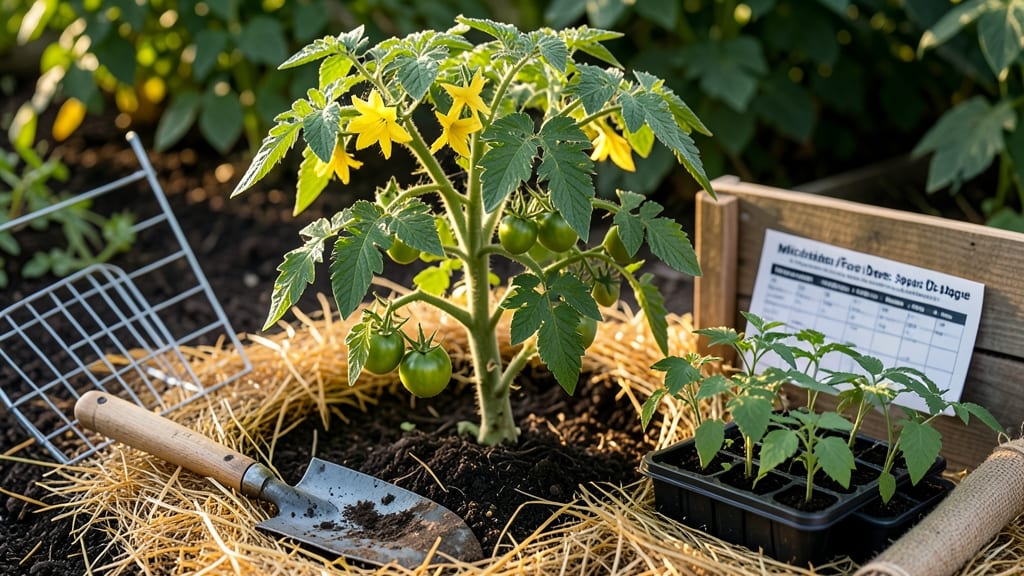
Planting tomatoes in Michigan isn’t just about grabbing seeds and sticking them in the dirt—it’s a calculated dance with frost dates, soil temperatures, and regional quirks that can make or break your harvest. Whether you're in Detroit’s urban gardens or Traverse City’s cooler climates, getting the timing right means the difference between a bumper crop of juicy 🍅 and a sad, frost-nipped disappointment.
Most Michigan gardeners wait until mid-April to mid-June to plant tomatoes outdoors, but that window shifts depending on whether you're in USDA Zone 5b or 6b. The key?
Soil temperatures need to hit at least 60°F—cold soil can stall germination or shock young plants, even if the air feels warm. And let’s not forget late frosts, which can sneak in as late as early May in some areas.
Here’s the good news: with the right strategies, you can push your tomato season earlier or later than typical planting windows. We’ll cover everything from soil prep tricks to extending harvests into October, so you can maximize your garden’s potential.
Let’s get your tomatoes growing strong—and keep them that way all season long.
Ready to avoid common pitfalls like heat waves or unexpected frosts? I’ll walk you through the exact steps to time your plantings perfectly, whether you’re starting seeds indoors in March or transplanting young plants after the last frost. Your future tomato sandwiches will thank you.
Michigan tomato planting dates by USDA hardiness Zone (2024 guide)
Michigan’s USDA Zones 4-6 create a tricky balance for tomato lovers—too early, and a late frost will kill your seedlings. Too late, and you’ll miss the 60-90 day harvest window most varieties need. The key? Planting after your average last frost date and when soil hits 60°F+.
Northern Michigan (Zones 4-5) has earlier frost risks than Southern Michigan (Zone 6). For example, Traverse City’s last frost typically arrives by May 15, while Detroit sees frost-free conditions by April 25. These dates shift yearly, so always check your local Michigan State University Extension updates.
Here’s your zone-by-zone planting timeline for 2024, including early, mid, and late planting strategies to hedge against frost or heat waves. Remember: Transplanting is safer than direct sowing in Michigan’s cool springs.
| Zone | Last Frost Date | Safe Transplant Window | Early Planting Tip |
| 4 (Northern MI: Marquette, Sault Ste. Marie) | May 10–20 | May 25–June 5 | Use row covers or start indoors by March 15. |
| 5 (Central MI: Grand Rapids, Lansing) | April 25–May 10 | May 10–20 | Warm soil with black plastic mulch 1–2 weeks before planting. |
| 6 (Southern MI: Detroit, Ann Arbor) | April 15–25 | April 30–May 15 | Plant heat-tolerant varieties like ‘Celebrity’ or ‘Better Boy’. |
*Dates based on 30-year averages; verify locally before planting.
For Northern Michigan gardeners (Zones 4-5), consider starting tomatoes indoors by March 1 to give them a head start. Use grow lights for 14–16 hours/day until transplanting. If you’re in Zone 6, you can direct-sow seeds after May 1, but transplanting seedlings is still faster.
Pro tip: Succession plant every 2 weeks after your initial transplant date. This stretches your harvest from July to October—perfect for Michigan’s short growing season. Just avoid planting after July 15, or your tomatoes won’t mature before frost.
Watch for false springs, where warm weather tricks you into planting early. Check the National Weather Service for 10-day forecasts before committing. In my Zone 5b garden, I once lost a batch of seedlings to a May snowstorm—now I wait until May 15 no matter what!
If you’re in Western Michigan (like Kalamazoo or Battle Creek), you’ll have 2–3 extra weeks of growing time compared to the Upper Peninsula. Use this to your advantage by planting larger varieties like ‘Brandywine’ or ‘Cherokee Purple’.
For container gardening, plant 1–2 weeks later than in-ground tomatoes. Pots heat up faster but also dry out quicker—so mulch heavily and water daily in summer. My balcony tomatoes in Detroit thrive when planted by May 20.
Remember: Tomatoes hate cold soil. If your ground is below 60°F, even after the last frost, wait. Use a soil thermometer to check—it’s the only way to know for sure. In cooler microclimates, like shaded yards, delay planting by 1–2 weeks.
Soil temperature requirements for tomato success in Michigan
Michigan’s cool springs can delay tomato planting if your soil temperature isn’t warm enough. Tomatoes need soil temps of 60°F+ to thrive, but seeds can germinate at 50°F+. Without proper warmth, your seedlings may rot or grow slowly, leading to poor yields or even death.
Use a soil thermometer to check depth—tomatoes’ roots need consistent warmth 6 inches deep. In Northern Michigan (Zone 4-5), soil may take weeks to warm, while Southern Michigan (Zone 6) often reaches ideal temps by early May.
To speed up soil warming, try these Michigan-friendly tricks:
- Lay black plastic mulch 2-3 weeks before planting
- Use row covers or cold frames for early starts
- Plant in raised beds, which warm faster than in-ground soil
In Zone 5-6, aim for late April to early May transplants, while Zone 4 gardeners should wait until mid-May. Always monitor local frost forecasts—a late frost can wipe out young plants in minutes.
For indoor starts, keep seedlings under grow lights until soil warms. Harden off plants for 7-10 days before transplanting to avoid shock from Michigan’s temperature swings.
Pro tip: Warm your soil faster by tilling in compost or using a soil warming mat under containers. This is especially helpful in Traverse City or Marquette, where cool lakes delay warming.