
Flowers
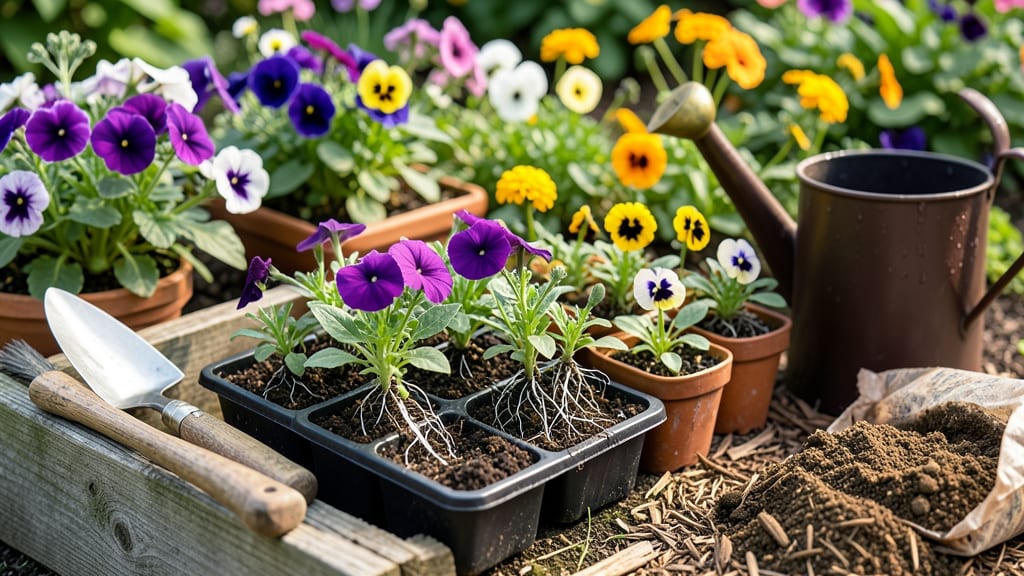
Timing your spring flower planting just right could mean the difference between a show-stopping garden and a sad, frost-bitten disappointment. If you're asking "when do I plant flowers in spring", the answer isn't one-size-fits-all—it depends on your last frost date, flower type, and even your local microclimate.
In Zone 6a (where many gardeners live), the magic window typically opens after your last frost—usually around mid-April—but some cold-hardy 🌸 varieties can handle early March plantings. Get it wrong, though, and you might end up with leggy seedlings or wilted blooms before they even peak.
This guide breaks down everything you need to know: from zone-specific deadlines to adjusting for your unique growing conditions. We'll cover the best flowers for early vs. late planting, common mistakes to avoid, and a checklist to ensure your garden starts strong.
Whether you're a first-time gardener or a seasoned pro, mastering the timing will help you grow healthier, happier flowers that bloom on schedule. Let's get your planting calendar locked in for success!
Spring flower planting deadlines by USDA Hardiness zones
Getting your spring flowers in the ground at the right time means the difference between vibrant blooms and wilted disappointment. The key is knowing your USDA Hardiness Zone and local last frost dates, which vary dramatically across the country.
For example, gardeners in Zone 3 (think Minnesota or Maine) face a much earlier spring than those in Zone 10 (like Southern California). Let’s break down the ideal planting windows for annuals, perennials, and bulbs by zone, so you can avoid frost damage and maximize your garden’s potential.
Most spring-blooming flowers should be planted 2-4 weeks after your average last frost date, but some cold-hardy varieties can handle earlier planting.
The soil temperature is just as critical as air temperature—aim for at least 50°F (10°C) for most flowers, though cool-season crops like pansies thrive in 40°F (4°C) soil.
Below, you’ll find a zone-by-zone guide to help you plan, complete with regional adjustments for coastal areas, high elevations, and urban heat islands.
| USDA Zone | Last Frost Date (Avg.) | Ideal Planting Window | Cold-Hardy Flowers | Frost-Sensitive Flowers |
|---|---|---|---|---|
| Zones 3-4 | Mid-April to early May | Late May (after frost) | Pansies, Sweet Peas, Snapdragons | Marigolds, Petunias, Impatiens |
| Zones 5-6 | Late April to mid-May | Early to mid-May | Violas, Calendula, Stock | Geraniums, Zinnias, Cosmos |
| Zones 7-8 | Early March to mid-April | Mid-March to April | Primroses, Sweet Alyssum, Larkspur | Begonias, Dahlias, Cannas |
| Zones 9-10 | Late December to February | January to early March | Sweet Peas, Stock, Snapdragons | Orchids, Hibiscus, Bougainvillea |
*Adjust dates 2-4 weeks earlier for high elevations or later for coastal areas.
If you’re in Zone 3 or 4, don’t rush to plant—wait until mid-to-late May to avoid surprise frosts. In contrast, Zones 9 and 10 can start as early as January for frost-sensitive flowers like hibiscus or bougainvillea.
Pro tip: Use frost cloth or row covers to extend your planting season by 2-3 weeks if needed. This is especially useful for tender annuals like begonias or impatiens, which can’t handle even light frosts.
For perennial flowers, timing matters too.
Plant them in early spring (as soon as the ground is workable) so they establish roots before summer heat sets in. Bulbs, like tulips or daffodils, should be planted in fall for spring blooms, but if you missed that window, some varieties (like hyacinths) can handle early spring planting in warmer zones.
Always check the specific planting depth and spacing requirements—overcrowding leads to poor air circulation and disease.
One common mistake is relying solely on calendar dates instead of soil temperature or local weather patterns. For instance, a late frost in Zone 6 can delay planting by weeks. To stay ahead, sign up for local frost alerts or use a soil thermometer to monitor conditions.
If you’re unsure, err on the side of caution—hardening off seedlings and waiting for consistent warm nights (above 55°F) will give your flowers the best start.
Don’t forget about microclimates within your garden. A south-facing wall or paved area can create a warmer pocket, allowing you to plant 2 weeks earlier in that spot. Conversely, low-lying areas or shady spots may need a later start.
Take notes each year to refine your planting schedule—your garden’s history is your best guide. With these zone-specific deadlines, you’ll be well on your way to a showstopping spring display.
Ready to dive deeper? In the next section, we’ll cover
How to adjust planting dates for your microclimate
Your USDA zone gives you a starting point, but your local microclimate can shift planting dates by weeks. Factors like elevation, urban heat islands, and wind exposure create unique conditions that affect when you should plant.
For example, a city garden in Zone 7 might warm up faster than a rural area just 20 miles away. Understanding these variables helps you avoid both frost damage and missed blooms.
Start by checking your local frost history—not just the average last frost date. Websites like the National Oceanic and Atmospheric Administration (NOAA) offer decade-long frost records for precise planning.
Compare these with your soil temperature, which should ideally reach 50°F (10°C) for most spring flowers. A soil thermometer (available for $10–$15) is a game-changer for accuracy.
Next, account for elevation adjustments. For every 1,000 feet above sea level, subtract 3–5 days from your frost-free date. High-altitude gardens in Zone 5 might need to wait until mid-May when lower elevations can plant in early April.
This rule also applies to mountain valleys, where cold air pools and delays warming.
🌡️ 5 Microclimate Factors That Shift Planting Dates
- Elevation: Subtract 3–5 days per 1,000 ft above sea level.
- Urban Heat Islands: Cities warm 5–10°F faster; plant 1–2 weeks earlier.
- Wind Exposure: Windy areas cool faster; delay planting by 7–10 days.
- Soil Type: Sandy soil warms faster; clay holds cold longer.
- Proximity to Water: Lakes/rivers extend frost risk; add 1–2 weeks.
Don’t overlook urban heat islands, where pavement and buildings trap heat. Gardens in downtown areas can plant annuals like marigolds or zinnias 1–2 weeks earlier than suburban neighbors. Conversely, windy coastal regions or lake-effect zones may need to delay planting by 7–10 days due to late frosts.
Test your garden’s unique conditions by planting a frost-sensitive trial crop (like basil) in early spring—if it dies, you’re planting too soon.
For container gardens, adjust dates based on pot size and material. Small pots dry out faster and cool quicker, so delay planting by 1–2 weeks compared to in-ground beds. Larger containers (10+ gallons) mimic ground conditions better.
If you’re using black pots, they absorb heat and can warm soil 5–10°F faster than traditional terracotta, allowing earlier planting in cooler climates.
Finally, use hardening-off techniques for seedlings if you’re pushing early planting dates. Gradually expose young plants to outdoor conditions (wind, sun, temperature swings) over 7–10 days before transplanting. Skip this step, and tender seedlings may bolt or shock, wasting your effort.
Pair this with row covers or cold frames to extend your planting window by 2–4 weeks in marginal climates.
Pro tip: Bookmark your local cooperative extension office’s frost calendar—they update annually with real-time data. With these adjustments, you’ll maximize bloom time and minimize frost-related setbacks, no matter where you garden. 🌱