
Plants
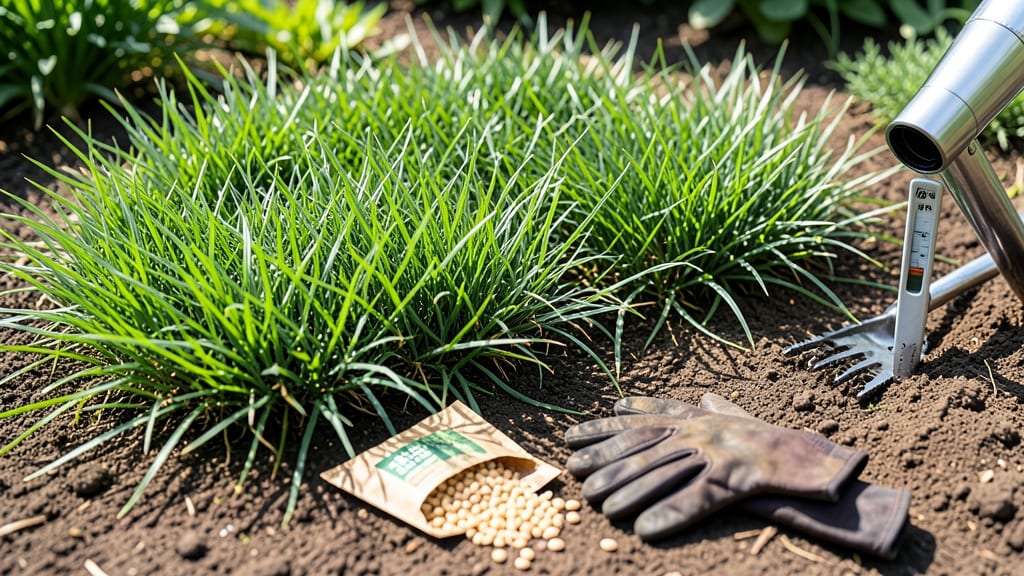
Planting Bermuda grass seeds in Texas at the wrong time can turn your dream green lawn into a sad, patchy mess—especially when summer heat arrives. This hardy grass thrives in 8a-10b zones, but timing is everything to beat Texas’s brutal climate.
One wrong move, and you’re stuck with weak roots that struggle under 100°F+ temperatures.
Most gardeners in Texas know Bermuda grass is a summer superstar, but the key is planting it after the last frost—typically between April and June. Too early, and cold snaps will stall germination; too late, and your grass won’t establish strong roots before the heat hits.
Let me show you the exact windows for North, Central, and South Texas so you can avoid costly mistakes.
Beyond dates, soil temperature matters more than you think. Seeds need 65°F+ soil to sprout, and Texas’s microclimates can vary wildly—even within the same county. I’ll break down how to test your soil, adjust for drought-prone areas, and pick the perfect moment for your region.
Ready to skip the guesswork? Stick around, and I’ll walk you through Texas-specific tips—from prepping your soil to dodging common pitfalls—that’ll help your Bermuda grass take root fast and stay strong all summer long.
Texas heat zones and Bermuda grass seed planting deadlines by month
Texas stretches across three distinct heat zones, each with unique last frost dates and soil temperature thresholds for Bermuda grass germination. Planting too early in North Texas risks frost damage, while South Texas heat can stress seeds if planted too late.
Let’s break down the optimal planting windows by region to ensure your lawn thrives.
Bermuda grass seeds need soil temperatures above 65°F (18°C) to germinate consistently. In Texas, this typically aligns with late April to early June, but exact timing varies by zone.
For example, North Texas (USDA Zones 7b-8a) has later last frost dates than South Texas (Zones 9a-10b), so adjust your schedule accordingly.
Here’s a quick reference for planting deadlines by Texas region, including soil temperature targets and weather risks to avoid:
| Texas Region | USDA Zone | Last Frost Date | Ideal Planting Window | Soil Temp Threshold | Key Risk |
|---|---|---|---|---|---|
| North Texas | 7b-8a | Mid-February to early March | Late May to early June | 65°F+ (consistently) | Late frost damage |
| Central Texas | 8a-8b | Late January to early February | Early May to late May | 65°F+ (consistently) | Unpredictable spring rains |
| South Texas | 9a-10b | Mid-December to early January | Late April to early May | 65°F+ (consistently) | Early summer drought |
For North Texas, wait until after May 15 to avoid late frost surprises. In Central Texas, aim for early May when soil warms up reliably.
Meanwhile, South Texas gardeners can start as early as late April, but monitor for drought conditions that can dry out seeds before germination.
Pro tip: Use a soil thermometer to confirm temperatures. Bury it 2 inches deep in the soil—this is where seeds will germinate. If readings dip below 65°F, wait another week or two. Patience here prevents uneven germination and weak seedlings.
Another critical factor is rainfall timing. Bermuda grass seeds need consistent moisture for the first 2-3 weeks after planting. In drought-prone areas like West Texas, consider irrigation scheduling to supplement natural rain. Aim for 1-1.5 inches of water per week, applied in the early morning to reduce evaporation.
If you’re in a transition zone (e.g., East Texas or Hill Country), err on the side of planting later. These areas can experience unpredictable weather shifts, and Bermuda grass struggles with cool-season stress.
For example, Austin (Zone 8b) should target mid-May planting, while Dallas (Zone 8a) may need to wait until early June.
Finally, don’t overlook shade considerations. Bermuda grass thrives in full sun (6+ hours daily), but newly planted seeds can overheat in intense Texas sun. Use a light shade cloth (30-50% block) for the first 2 weeks if your lawn receives harsh afternoon sun.
This simple step boosts germination rates by 20-30% in extreme heat.
✅ Ready to plant? Mark your calendar for your region’s ideal window and prep your soil with compost and a balanced fertilizer to give seeds the best start. The key to a lush, drought-resistant Bermuda lawn starts with perfect timing.
Texas heat zones and Bermuda grass seed planting deadlines by month
Texas’ extreme climate means Bermuda grass seed planting deadlines vary dramatically from North Texas to South Texas. In Zone 8a (North Texas), the last frost typically hits around February 15, while Zone 10b (South Texas) rarely sees frost. This creates a 3-4 week window shift for optimal planting.
For consistent germination, aim for soil temperatures above 65°F (18°C). In North Texas, this usually means waiting until mid-April to May, while South Texas gardeners can plant as early as late March.
Miss these windows, and you risk slow growth or seed rot from lingering cool soil.
Here’s a breakdown of your region-specific planting deadlines to maximize root establishment before Texas’ brutal summer heat sets in:
| Texas Region | USDA Zone | Last Frost Date | Ideal Planting Window | Soil Temp Threshold |
|---|---|---|---|---|
| North Texas | 8a-8b | Feb 15 - Mar 1 | Mid-April to May 15 | 65°F+ (18°C) |
| Central Texas | 8b-9a | Jan 31 - Feb 10 | Late March to April 30 | 65°F+ (18°C) |
| South Texas | 9a-10b | None (rare frost) | Late March to June 1 | 65°F+ (18°C) |
In North Texas, planting after May 15 risks heat stress during germination, while South Texas can extend planting into early June thanks to warmer winters.
Always check your local AgriLife Extension for microclimate adjustments, as urban areas like Austin or Dallas may have 2-3°F warmer soil than rural zones.
Pro tip: Use a soil thermometer to confirm readiness—Bermuda grass seeds won’t sprout below 65°F. If your soil is cooler, wait 1-2 weeks or use a black plastic mulch to warm it faster. Patience now prevents weak roots later.
Once planted, Bermuda grass thrives in Texas’ heat but needs consistent moisture for the first 4-6 weeks. Water deeply 2-3 times per week until you see 2-inch blades—this signals strong root establishment before summer’s peak heat.