
Plants
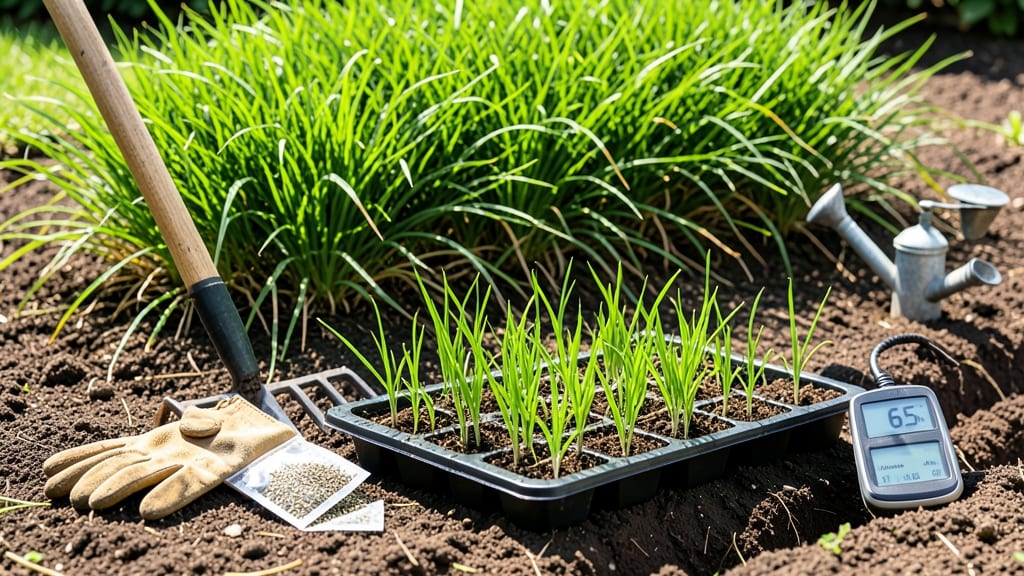
If you're dreaming of a lush, green lawn in Arkansas, planting Bermuda grass seed at the wrong time could mean wasted money and months of frustration.
This isn't just about picking a date on the calendar—it's about understanding your 7a-8a zone, soil temperatures, and when those pesky frost dates finally pass.
Let me cut to the chase: Bermuda grass thrives when the ground warms up to at least 65°F, which in Arkansas typically happens between late April and mid-May.
But here's the catch—planting too early risks frost damage, while waiting too long might let weeds take over before your grass gets established. We'll break down exactly when to plant for your specific Arkansas location, so you can avoid these common pitfalls.
Beyond the calendar, there's more to successful planting than just timing. You'll need to know how to prep your soil, when to water (and how much), and what to watch for as your grass takes root.
I'll walk you through every step, from pre-planting prep to post-seeding care, so you can grow a thick, healthy lawn that stands up to Arkansas's heat and humidity.
Whether you're a first-time gardener or a seasoned pro, these insights will help you maximize your lawn's potential—without the guesswork. Let's get started on creating that perfect green space you've been envisioning.
Optimal soil temperature and frost-free deadlines for Arkansas Bermuda grass planting
Bermuda grass thrives in Arkansas’s warm climate, but planting too early or late can ruin your lawn. The key is waiting for soil temperatures to hit 65°F—this triggers germination.
In Arkansas’s USDA Zones 7a-8a, the ideal window spans late April to mid-May for spring and late August to early September for fall planting.
Why? Bermuda grass seeds need warmth to sprout, and planting before the last frost (typically March 15) risks frost damage. Arkansas’s northern regions (e.g., Fayetteville) may need to wait until mid-May, while southern areas (like Little Rock) can start as early as late April.
To test soil temperature, use a soil thermometer buried 2 inches deep. If it reads below 65°F, wait—cold soil delays germination and invites weeds. Pro tip: Check temperatures in the late afternoon when soil is warmest.
| Region | Last Frost Date | Optimal Planting Window | Soil Temp Requirement |
|---|---|---|---|
| Northern Arkansas (Fayetteville) | March 20–April 5 | Mid-May to early June | 65°F+ (consistent) |
| Central Arkansas (Little Rock) | March 15–March 25 | Late April to mid-May | 65°F+ (consistent) |
| Southern Arkansas (El Dorado) | March 1–March 10 | Late March to early April | 65°F+ (earlier possible) |
| Fall Planting (All Regions) | First frost: Nov 1–Nov 15 | Late August to early September | 65°F+ (soil must stay warm) |
Fall planting is a smart move in Arkansas because cooler temps reduce weed competition and established roots handle winter better. Aim to plant 6–8 weeks before the first frost (around November 15) to give seeds time to germinate and grow.
Arkansas’s humidity and summer heat can stress new seedlings, so avoid planting in July—the heat dries out soil too quickly. Instead, focus on spring or fall when moisture levels are more predictable. If you miss these windows, consider sod instead of seed for faster coverage.
Pro tip: Use a mulch layer after planting to retain moisture and regulate soil temperature. Straw or pine needles work well in Arkansas’s climate. Just keep it 1–2 inches thick to avoid smothering seeds.
For extra precision, consult the University of Arkansas Extension Service for localized advice. They track frost dates and soil conditions annually—perfect for adjusting your planting timeline. Their free soil tests can also help you tweak pH (aim for 6.0–7.0) before seeding.
Remember, Bermuda grass is aggressive once established, but poor timing leads to patchy lawns. By aligning planting with soil warmth and frost-free deadlines, you’ll set your lawn up for lush, weed-free growth all season.
🌱
Optimal soil temperature and frost-free deadlines for Arkansas Bermuda grass planting
Bermuda grass thrives when planted at the right time, but Arkansas’s variable climate makes timing tricky. Unlike cool-season grasses, Bermuda needs warm soil—at least 65°F (18°C)—to germinate properly.
Planting too early risks frost damage, while waiting too long can delay establishment. The key is aligning your planting with Arkansas’s last frost dates and soil warmth trends.
Most of Arkansas falls in USDA Zones 7a-8a, with last frost dates ranging from mid-March in southern regions (like Texarkana) to early April in northern areas (like Fayetteville).
However, soil temperature lags behind air temperature, so don’t rush—wait until late April to mid-May for spring planting or late August to early September for fall.
To check soil temperature, use a soil thermometer (available at garden centers) or monitor local University of Arkansas Extension reports. For example, in Little Rock (Zone 7b), soil typically hits 65°F by mid-April, while Fayetteville (Zone 7a) may need to wait until late April.
Timing ensures your seeds germinate quickly and outcompete weeds.
| Region | Last Frost Date | Ideal Planting Window | Soil Temp Check |
|---|---|---|---|
| Northern Arkansas (Fayetteville, Rogers) | Early April | Late April–Mid-May | 65°F+ (mid-April) |
| Central Arkansas (Little Rock, Hot Springs) | Mid-March | Late April–Early May | 65°F+ (early April) |
| Southern Arkansas (Texarkana, El Dorado) | Mid-March | Early April–Mid-May | 65°F+ (late March) |
Fall planting offers a second chance for Bermuda grass, especially in drought-prone areas of Arkansas. Aim for late August to early September to allow seeds to germinate before cooler weather sets in.
This timing also helps Bermuda establish roots before winter dormancy, giving it a head start in spring. Just avoid planting after October 1st, as cooler nights slow germination.
Pro tip: If you’re in a shady or high-elevation area (like the Ozark Mountains), err on the side of planting later. Cooler microclimates delay soil warming, so monitor conditions closely. A black plastic mulch can warm soil faster if you’re eager to plant early—just remove it once germination begins.
Remember, Bermuda grass is warm-season, so it won’t tolerate frost. If you plant too early and a late frost hits, your seeds may rot. Always check the 10-day forecast and wait for a stable stretch of warm, dry weather before seeding. Patience now means a lush lawn later!