
Plants
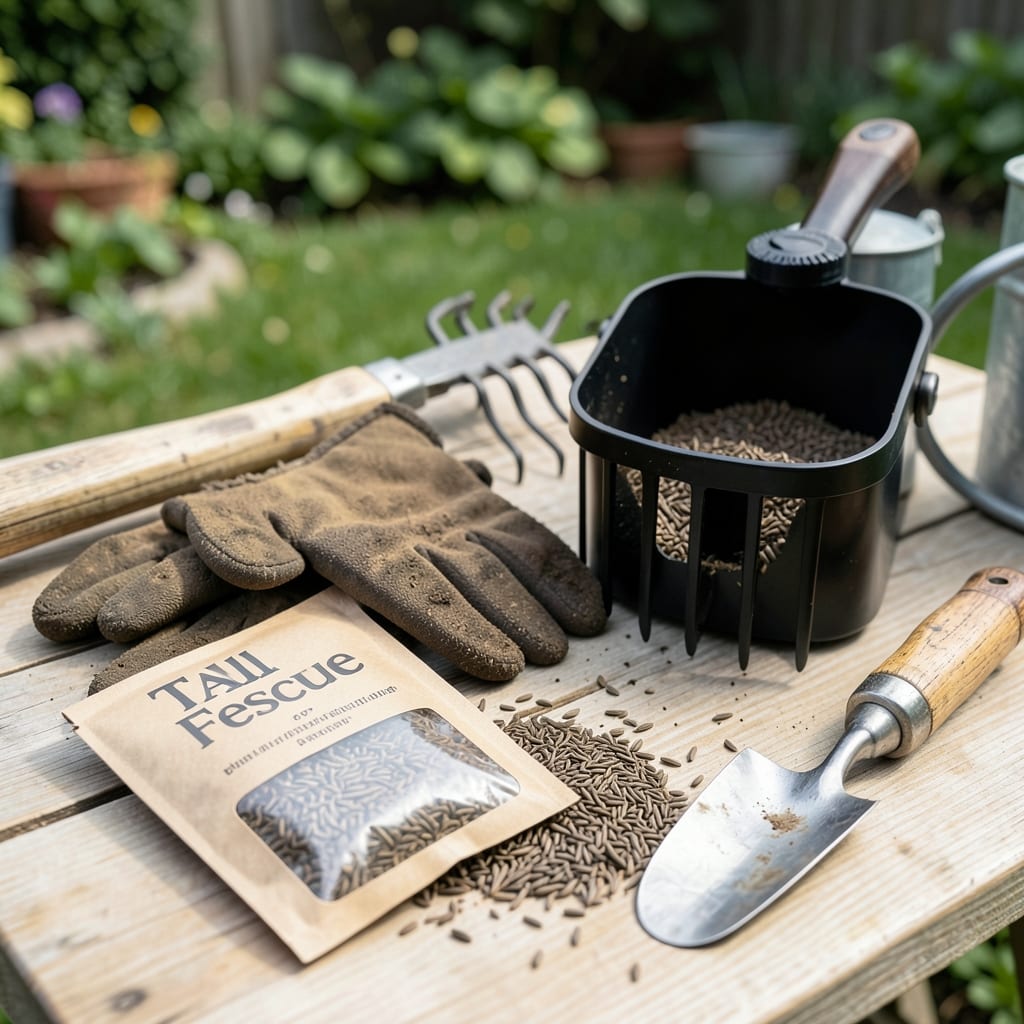
Planting grass seed when to plant in the fall can make or break your lawn’s success—especially in USDA Zone 6a where timing is everything. The key? Getting it in the ground 4-6 weeks before frost, when cooler temps and fewer weeds give your 🌱 new roots a fighting chance.
Fall planting isn’t just about throwing seed on dirt—it’s about working with nature. Cooler soil temperatures help seeds germinate without drying out, while reduced weed competition means your grass stands a better chance of thriving. But if you wait too late, frost will lock your efforts in place.
I’ll break down the exact month-by-month windows for your region, plus soil prep tricks to ensure your grass takes hold. Whether you’re overseeding a tired lawn or starting fresh, these steps will save you time and frustration.
Ready to grow a lawn that’ll be the envy of the neighborhood? Let’s get started with the perfect planting schedule and soil prep timeline.
Best fall planting dates by USDA Zone: a month-by-month guide
Timing is everything when planting grass seed in the fall. The goal is to plant 4-6 weeks before your first frost, giving seeds time to germinate and establish roots before winter. In USDA Zone 6a, that means aiming for mid-September to early October—but your exact window depends on your local climate.
Northern zones (3–6) have shorter growing seasons, so you’ll want to plant earlier—think late August to early September. Southern zones (7–10) can stretch planting into November, but avoid planting too late when soil temps drop below 50°F (10°C). The key is cooler air but still-warm soil.
I’ve broken down the ideal planting windows by zone, including temperature ranges and regional adjustments. Use this as your guide to avoid common mistakes like planting too late in cold zones or too early in warm zones where weeds take over.
Pro tip: Check your local frost dates—the USDA zone map is a starting point, but microclimates (like hills or valleys) can shift your window by 2–4 weeks. For example, Zone 5 might need seeds in by late August, while Zone 8 can wait until October.
For cool-season grasses (like Kentucky bluegrass or fescue), fall is ideal—they thrive in cooler temps and establish deep roots before winter. Warm-season grasses (like Bermuda or Zoysia) should not be planted in fall; they’re better suited for spring planting.
If you’re in a transition zone (like Zone 7b), err on the earlier side—late September is safer than November. And always check your seed packet for specific instructions, as some varieties (like tall fescue) handle cooler temps better than others.
One more tip: If your area experiences early frosts, consider using a lightweight frost blanket to protect new seedlings. But avoid covering seeds too early—you want them to germinate in natural conditions first.
Next up, I’ll walk you through the 4 critical steps to prep your soil for planting, including aeration, pH testing, and weed control. Trust me, skipping these steps can mean the difference between a lush lawn and a patchy mess.
Soil preparation timeline: 4 critical steps before planting grass seed
Prepping your soil is just as important as timing—skipping these steps can leave your grass seed struggling to take root. Start 4–6 weeks before planting to give your lawn the best possible foundation. The goal? Loose, nutrient-rich soil with the right pH and minimal competition from weeds.
I’ve broken this down into 4 key steps, each tailored to your climate. Northern zones (like USDA Zone 6a) need extra attention to avoid compaction from heavy rains, while southern zones should focus on moisture retention. Let’s dive into the timeline so you’re ready when it’s time to plant.
🌱 Step-by-Step Soil Prep Timeline
- 📅 4–6 Weeks Before Planting: Aerate the soil using a core aerator to break up compaction. This is especially critical in high-traffic areas where soil gets packed down.
- 🧪 3–4 Weeks Before Planting: Test soil pH—aim for 6.0–7.0. If your soil is too acidic (<6.0), add lime; if alkaline (>7.0), use sulfur or peat moss.
- 🌿 2 Weeks Before Planting: Spread 2–3 inches of compost and lightly rake it in. This adds organic matter and nutrients without overwhelming new seedlings.
- ✂️ 1 Week Before Planting: Kill weeds with a non-selective herbicide (like glyphosate) or manually pull them. Avoid pre-emergent herbicides—they’ll kill your grass seed too!
For northern climates, focus on drainage—fall rains can turn compacted soil into mud. In southern zones, prioritize moisture retention by adding mulch or straw after planting to lock in humidity. Both regions should avoid tilling too deep, which can disrupt root systems.
Pro tip: If your soil feels clay-heavy, mix in sand or perlite to improve aeration. For sandy soils, add compost or coconut coir to retain moisture. A quick soil test kit (available at garden centers) makes this easy—no lab required!
Once your soil is prepped, it’s time to choose your seed mix. Cool-season grasses like tall fescue or ryegrass are ideal for fall planting, but always match your seed to your climate. Next, we’ll cover 5 warning signs you’re planting at the wrong time—and how to fix it before it’s too late.