
Vegetables
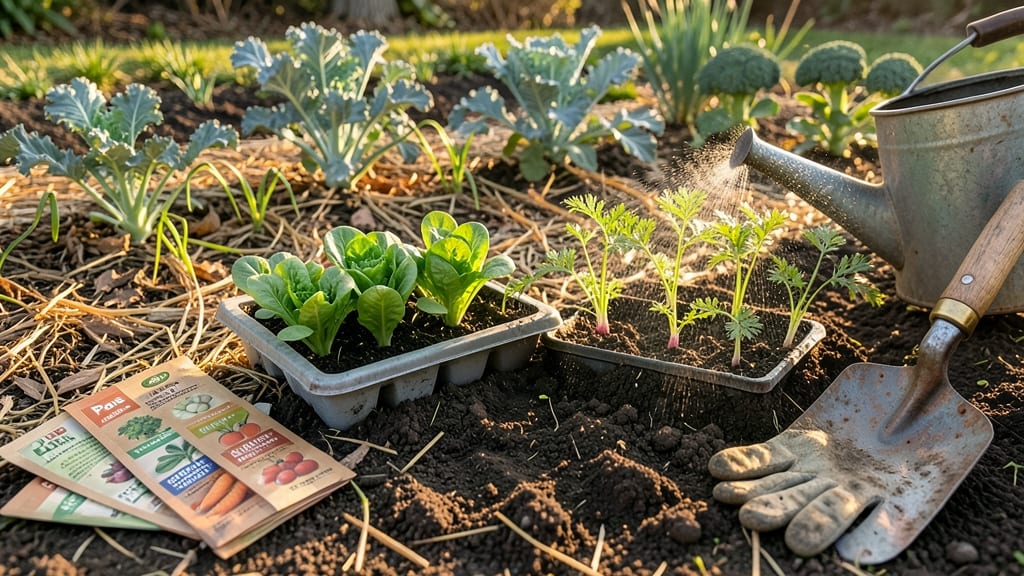
Zone 6 frost dates & soil temperature guide for early spring planting
In Zone 6, the difference between a thriving early spring vegetable garden and a frost-killed disappointment often comes down to two critical factors: last frost dates and soil temperature thresholds.
With an average last frost date of April 15, you’ve got a narrow window—about 4-6 weeks—to plant cold-hardy crops before summer heat arrives. But timing isn’t just about dates; it’s about soil warmth, which can vary by 10°F or more between microclimates.
For most cool-season vegetables, soil temperatures need to reach at least 40°F (4°C) for germination, but ideal planting occurs when soils warm to 50-60°F (10-15°C).
This is why peas and spinach can often go in the ground 4-6 weeks before the last frost, while lettuce and radishes prefer slightly warmer soils. Understanding these thresholds helps you avoid the #1 mistake of early spring planting: sowing too soon when the ground is still too cold.
🌱
🌡️ Zone 6 Early Spring Planting Guide
| Stage | Action | Soil Temp | Planting Window |
|---|---|---|---|
| Soil Prep | Add compost; till to 6-8" | 35-45°F | Mid-February to early March |
| Hardy Crops | Peas, spinach, kale, onions | 40-50°F | Late March to early April |
| Moderate Crops | Lettuce, radishes, carrots | 50-60°F | Mid-April to early May |
| Warm-Up Crops | Beets, Swiss chard, broccoli | 60-70°F | Late April to mid-May |
Pro Tip: Use a soil thermometer to check temps before planting—cold, wet soils delay germination.
Your local microclimate plays a huge role in these timelines. Gardens near large bodies of water or in low-lying areas often experience later frosts, while south-facing slopes can warm up 1-2 weeks earlier.
To account for this, I recommend checking your last frost date using the USDA Plant Hardiness Zone Map and then adjusting by 2-3 weeks based on your garden’s exposure.
For example, if your yard sits in a frost pocket, you might want to wait until April 1 for spinach, even if the general Zone 6 average is March 25. Conversely, a sunny, sheltered spot could safely accommodate lettuce by March 15.
Always err on the side of caution—a few extra weeks of waiting for warmer soils will prevent seed rot and ensure strong starts.
Another key factor is seed packet instructions, which often list "days to maturity" under ideal conditions. In Zone 6, these timelines can stretch by 10-15% if you plant too early.
For instance, a packet promising 45 days to harvest for radishes might take 60 days if sown in 35°F soil. Plan ahead by calculating your harvest window backward from your first expected frost (October 15 in Zone 6).
🌿
To make this easier, I’ve created a Zone 6 planting calendar in my next section, but here’s a quick rule of thumb: Plant hardy crops 4-6 weeks before your last frost, moderate crops 2-3 weeks before, and warm-season crops after.
For succession planting—like sowing radishes every 2 weeks—start your first batch 6 weeks before your target harvest date. This ensures a steady supply without overcrowding your garden.
One tool I can’t recommend enough is a frost date calculator like the one from the Old Farmer’s Almanac. Plug in your ZIP code, and it’ll give you historical frost data for your exact location, accounting for local variations.
Pair this with a soil thermometer ($15 at garden centers), and you’ll have a foolproof system for nailing your planting window every year.
Finally, don’t forget that container gardening offers more flexibility. Pots warm up faster than in-ground soil, so you can often plant 2-3 weeks earlier in containers. If you’re using raised beds, they’ll also heat up quicker—ideal for early lettuce or spinach starts.
Just be prepared to protect these plants with row covers if a late frost sneaks in.
☀️
Best early spring vegetables for Zone 6 & their exact planting timeline
Zone 6 gardeners know that the early spring planting window is short but sweet—just 4-6 weeks before your last average frost date (typically April 15). Miss this window, and you’ll either lose tender seedlings to frost or harvest bitter, overgrown veggies.
But with the right cold-hardy crops and precise timing, you can enjoy fresh peas, spinach, and radishes by late May. The key? Planting at the optimal soil temperature (between 40°F and 60°F) and choosing varieties that thrive in cool conditions.
Here’s my ranked list of the top 5 early spring vegetables for Zone 6, complete with exact planting dates, maturity timelines, and succession planting tips to stretch your harvest.
I’ve included my favorite varieties and pro tips to avoid common mistakes like bolting (when greens flower too early) or stunted growth from cold soil.
🌱
📌 Zone 6 Early Spring Planting Timeline
Plant: Early March to mid-April
Maturity: 25-30 days
Succession: Every 2 weeks
Plant: Mid-March to early April
Maturity: 40-50 days
Tip: Bolt-resistant varieties like 'Bloomsdale Long Standing'
Plant: Late March to early April
Maturity: 60-70 days
Tip: Direct sow for best germination
Plant: Early March to mid-April
Maturity: 30-50 days
Tip: Shade cloth for hot spells
Plant: Early March to late March
Maturity: 50-60 days
Tip: Cold sweetens flavor—harvest after frost!
Plant: Late March to early April
Maturity: 90-120 days
Tip: Start indoors for sets
Let’s break down my top picks and why they’re foolproof for Zone 6. Radishes are my go-to for fast harvests—they’re ready in just 30 days, so you can sow every 2 weeks until mid-April for a continuous supply. Spinach and lettuce love the cool spring soil, but they’ll bolt (go to seed) if temps climb above 75°F, so succession plant and use shade cloth if needed. Peas are a must for their nitrogen-fixing roots, which improve soil health, and they handle light frosts like a champ.
Don’t overlook kale—it’s a powerhouse that tastes sweeter after frost! Plant ‘Winterbor’ or ‘Lacinato’ varieties in early March for a summer harvest. For onions, start with sets (small bulbs) in late March to avoid transplant shock.
If you’re short on space, try bush beans (like ‘Blue Lake’)—they mature in 50-60 days and thrive in warmer soil (wait until mid-April when soil hits 60°F).
Pro tip: Mark your calendar for succession planting! For example, if you plant radishes on March 1, March 15, and April 1, you’ll have three batches before the heat sets in.
And if you mulch with straw after planting, you’ll retain soil moisture and keep roots cool—critical for preventing bolting in greens. 🌿
One common mistake I see is planting too early without frost protection. If you’re itching to start in February, use row covers or a cold frame to shield seedlings from unpredictable late frosts.
And always test your soil temperature with a soil thermometer—if it’s below 40°F, wait a week or two. Your plants will thank you with vigorous growth instead of stunted, leggy seedlings.