
Plants
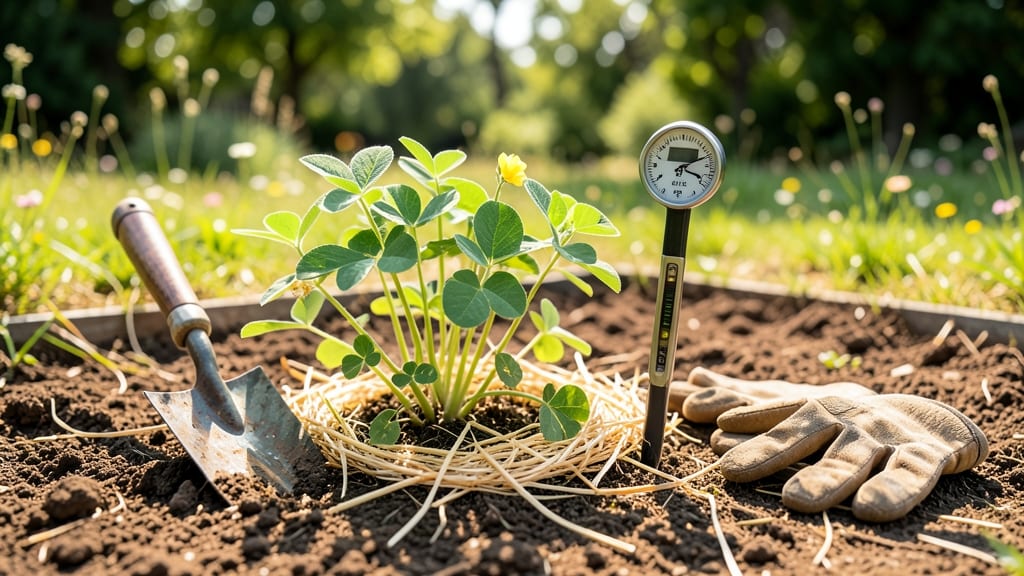
If you're dreaming of a bountiful harvest of 🥜 peanuts in Tennessee, timing your planting is the single most important factor—get it wrong, and you could lose your entire crop before it even takes root.
Tennessee’s 6a-7b climate gives you a narrow window between late April and early June to plant peanuts after the last frost, but even then, soil temperature matters more than calendar dates. Too cold, and your seeds won’t germinate; too late, and your harvest could shrink before frost hits again.
I’ll break down exactly when to plant in your specific zone, how to check soil warmth for success, and which peanut varieties thrive best in Tennessee’s short growing season. No guesswork—just science-backed timing to ensure your peanuts grow strong and plentiful.
Ready to turn your garden into a peanut powerhouse? Let’s get started with the perfect planting schedule for your Tennessee farm or backyard plot.
Peanut planting dates by Tennessee hardiness zones (5a-7b)
Tennessee’s peanut-growing success hinges on timing, especially since peanuts thrive in warm soil (68°F+) and long frost-free seasons. The state spans USDA zones 5a–7b, with Zone 6a being the most common for home gardeners.
In Zone 5a (northwest TN), plant late May to avoid early frost, while Zone 7b (Memphis area) allows planting as early as mid-April.
Peanuts need 120–150 days to mature, so late plantings risk immature harvests before first frost (mid-October). For example, Nashville (Zone 6b) gardeners should aim for early May plantings to ensure a September harvest before temperatures dip.
Soil temperature is critical: peanuts won’t sprout until soil reaches 68°F for 3 consecutive days. In Zone 6a, this typically aligns with late April to early May, while Zone 7b can start 2–3 weeks earlier.
Use a soil thermometer to confirm readiness—air temperature is misleading.
| USDA Zone | Last Frost Date | Optimal Planting Window | Soil Temp Requirement | Harvest Window |
|---|---|---|---|---|
| 5a (e.g., Crossville) | Mid-April | Late May–Early June | 68°F+ (consistent) | Late Sept–Early Oct |
| 6a (e.g., Nashville) | Early April | Early May–Mid-May | 68°F+ (consistent) | Mid-Sept–Late Sept |
| 6b (e.g., Chattanooga) | Late March | Late April–Early May | 68°F+ (consistent) | Late Aug–Early Sept |
| 7a (e.g., Memphis) | Mid-March | Mid-April–Late April | 68°F+ (consistent) | Early Sept–Mid-Sept |
| 7b (e.g., Jackson) | Early March | Late March–Early April | 68°F+ (consistent) | Mid-Aug–Late Aug |
Microclimates matter in Tennessee! For example, Chattanooga’s elevation (Zone 6b) delays soil warming by 1–2 weeks compared to Memphis (Zone 7a). If you’re in a valley or urban heat island (like Nashville), soil warms faster—plant 1–2 weeks earlier than the average zone date.
For extended growing seasons, consider black plastic mulch to raise soil temperature by 5–10°F. This lets Zone 6a gardeners plant as early as mid-April instead of waiting for May. Just remove the mulch 2 weeks before harvest to avoid pod rot.
Peanuts are heat-loving but frost-sensitive: even a light frost (28°F) can kill emerging seedlings. Use frost cloth if planting in late May in Zone 5a, or opt for early-maturing varieties (like ‘Early Spanish’) to finish before first frost.
Pro tip: Test your soil 2 weeks before planting. Peanuts prefer sandy loam with a pH of 6.0–6.5. Amend heavy clay soil with compost or sand to improve drainage—waterlogged soil causes root rot and poor pod development.
In Zone 7b, you can even try two plantings: one in early April (for early harvests) and another
How to check soil temperature for peanut planting success
Peanuts are warm-season crops, and planting them too early—when soil temperatures dip below 68°F—can stunt growth or invite disease. Many gardeners mistakenly rely on air temperature, but soil temperature is the real game-changer. A simple soil thermometer can save you from wasted effort and poor yields, especially in Tennessee’s Zone 5a, where cold snaps linger into May. First, invest in a soil thermometer (digital or analog) to measure 2–4 inches deep, where peanut roots will establish. Check temperatures morning and evening for 3–5 days before planting. Peanuts thrive when soil stays consistently above 70°F for at least 7–10 days. In Zone 6a–7b, this typically aligns with late April to early June, but microclimates (like urban heat islands) can shift deadlines by 1–2 weeks.Pro Tip: If your soil runs cold longer than expected, opt for early-maturing varieties (like ‘Early Spanish’) or use black plastic mulch to warm the soil faster. This trick can shave 10–14 days off your planting timeline in cooler areas like East Tennessee.
⚠️ Callout Warning:Cold soil (<60°F) slows germination and invites fungal diseases. Even if air temps feel warm, peanut seeds won’t sprout until soil hits 70°F+. Always test before planting—don’t guess!
🌱 Solution: Use a soil warming blanket or wait 1–2 weeks for natural heating.
Zone-Specific Adjustments:
- Zone 5a (e.g., Bristol): Wait until May 15—soil temps lag behind air temps here.
- Zone 6a (e.g., Knoxville): Aim for late April to early May with mulch.
- Zone 7b (e.g., Chattanooga): Plant April 15–May 1 for peak yields.
Don’t let a false spring fool you—if a cold snap drops soil temps below 65°F, pause planting until conditions stabilize. Peanuts are not frost-tolerant, and even light frosts can kill seedlings. Use row covers or a greenhouse to extend your planting window in marginal zones.
Final