
Plants
Knowing when to plant berries in Zone 8 could mean the difference between a bountiful harvest and disappointed hopes—especially when you’re staring at a 🫐 bush that never quite took off.
The secret isn’t just about the calendar; it’s about soil temperature, frost dates, and the right variety for your microclimate.
If you’ve ever planted berries only to watch them struggle through unexpected cold snaps or wilt in summer heat, you’re not alone. The key is timing: fall or early spring, when the ground is just warm enough (40°F–60°F) to encourage roots without inviting pests or frost damage.
In this guide, I’ll break down the exact planting windows for strawberries, blueberries, raspberries, and blackberries—plus soil prep tricks to set your berries up for success. No more guesswork, just a thriving patch of sweet, juicy rewards by next summer.
Ready to turn your backyard into a berry paradise? Let’s get started with the variety-specific deadlines that actually work in Zone 8.
Zone 8 berry planting deadlines by soil temperature (not just calendar dates)
In Zone 8, planting berries isn’t just about picking a month—it’s about soil temperature. Most berries need soil between 40°F and 60°F to root successfully. For example, blueberries and raspberries thrive when soil reaches 50°F, while strawberries prefer 45°F.
Planting too early risks frost damage, and too late delays growth. Use a soil thermometer ($15 at garden centers) to check before planting.
Fall planting (September–November) is ideal for bare-root berries because cooler soil reduces stress.
Early spring (February–March) works for potted plants, but avoid planting after March 15—warmer soil can shock roots. Blackberries are the most flexible, tolerating soil up to 65°F, while blueberries need cooler soil to establish before summer heat arrives.
Here’s how to test soil readiness: Insert the thermometer 4–6 inches deep in the ground (where roots will grow). Wait 10 minutes for an accurate reading.
If it’s below 40°F, wait 1–2 weeks. If above 65°F, delay planting until temps drop naturally. Morning readings are most reliable—soil cools overnight.
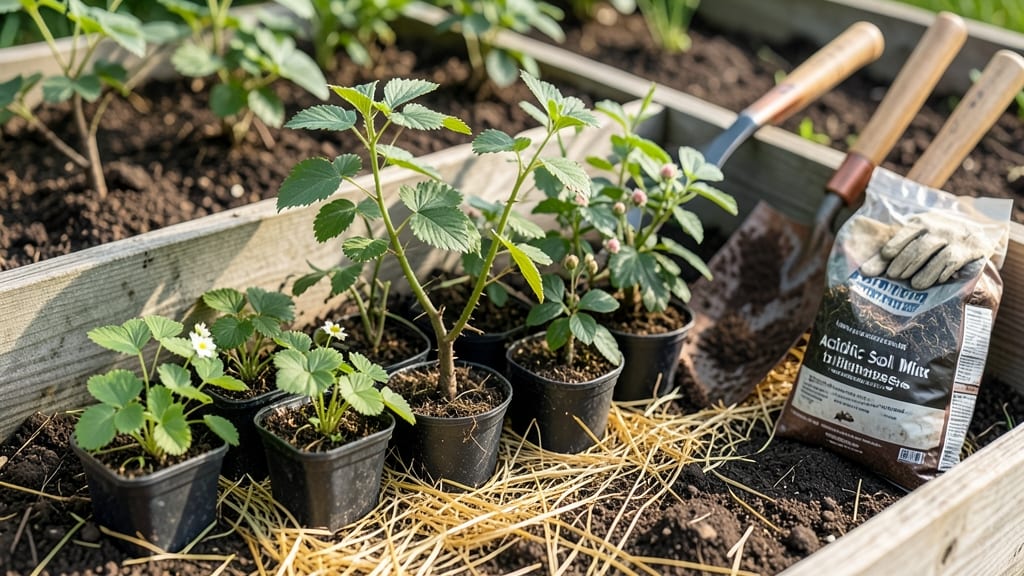
Pro tip: Mulch heavily (3–4 inches of straw or wood chips) after planting to regulate soil temperature. This helps protect roots from late-winter frosts (common in Zone 8) and retains moisture during dry spells. For acid-loving berries like blueberries, add pine needles or peat moss to mulch for extra acidity.
🌱
Berry Planting Deadlines by Soil Temp & Type
| Berry Type | Ideal Soil Temp | Best Planting Window | Soil Prep Tip |
|---|---|---|---|
| Blueberries | 50–55°F | Fall (Oct–Nov) or Early Spring (Feb) | Add sulfur to lower pH to 4.5–5.5 |
| Raspberries | 45–50°F | Fall (Sep–Oct) or Spring (Mar) | Mix in compost for drainage |
| Blackberries | 55–60°F | Spring (Feb–Apr) or Fall (Sep) | Plant on trellis for support |
| Strawberries | 40–45°F | Fall (Sep–Oct) or Early Spring (Feb) | Use raised beds for poor soil |
💡 Note: Adjust for microclimates—urban areas stay warmer longer!
Zone 8’s mild winters and hot summers create unique challenges. For instance, everbearing strawberries planted in fall may produce spring and fall crops, but they need consistent moisture to set fruit.
If you’re planting in late winter, cover young plants with frost cloth until soil warms to 50°F.
Another key factor: daylength. Berries like raspberries need longer daylight hours (14+ hours) to fruit.
In Zone 8, this means planting by early March to align with natural light cycles. Blueberries, however, are less sensitive to daylength but require cross-pollination—plant at least two varieties for a good harvest.
For container growing, soil warms faster in pots, so plant 2–3 weeks later than in-ground.
Use a thermometer in a nearby in-ground spot to gauge when your container soil is ready. Dwarf varieties (like ‘Top Hat’ blueberries) are perfect for containers and can be moved to partial shade in summer to prevent heat stress.
Finally, avoid planting during heatwaves (common in Zone 8’s April–May). High temps (>85°F) can cause transplant shock. Instead, plant on cloudy days or water deeply the day before to reduce stress. Mulch immediately after planting to lock in moisture and keep roots cool.
🌿
Zone 8 berry planting deadlines by soil temperature (not just calendar dates)
Planting berries in Zone 8 isn’t just about checking a calendar—soil temperature is the real game-changer. Most berries thrive when soil reaches 40°F–60°F, but timing varies by type. Strawberries and blueberries prefer cooler soil (40°F–50°F), while raspberries and blackberries tolerate slightly warmer conditions (50°F–60°F).
Use a soil thermometer to avoid guessing.
For fall planting (September–November), aim for soil temps between 40°F–50°F. This gives roots time to establish before winter dormancy. Early spring (February–March) is ideal for potted berries, when soil warms to 50°F–60°F. Planting too early risks frost damage, while waiting too long delays growth.
🌱
| Berry Type | Ideal Soil Temp | Best Planting Window | Soil Prep Tip |
|---|---|---|---|
| Strawberries | 40°F–50°F | Fall (Oct–Nov) or Early Spring (Feb–Mar) | Add compost for well-draining soil |
| Blueberries | 45°F–55°F | Fall (Sep–Oct) or Late Winter (Jan–Feb) | Lower pH to 4.5–5.5 with sulfur |
| Raspberries | 50°F–60°F | Early Spring (Feb–Mar) or Fall (Sep–Oct) | Mulch heavily to retain moisture |
| Blackberries | 50°F–60°F | Late Winter (Feb–Mar) or Early Fall (Sep) | Prune canes before planting |
Testing soil temperature is simple: Insert a soil thermometer 4–6 inches deep in your garden bed. If it’s below the ideal range, wait 1–2 weeks or use black plastic mulch to warm the soil faster. For acid-loving berries like blueberries, test pH too—aim for 4.5–5.5.
Microclimates matter in Zone 8! Urban areas may warm up faster, while shaded spots stay cooler. Plant blueberries in south-facing beds for extra warmth, and strawberries in slightly shaded spots to delay ripening during hot summers. Adjust your planting window by 2–4 weeks based on your yard’s specific conditions.
Remember: Bare-root berries need moist soil to establish roots, so water deeply after planting. For potted berries, transplant when soil is slightly warm (50°F+) to avoid shock. Mulch with 3–4 inches of straw or wood chips to regulate soil temperature and retain moisture.
✂️