
Plants
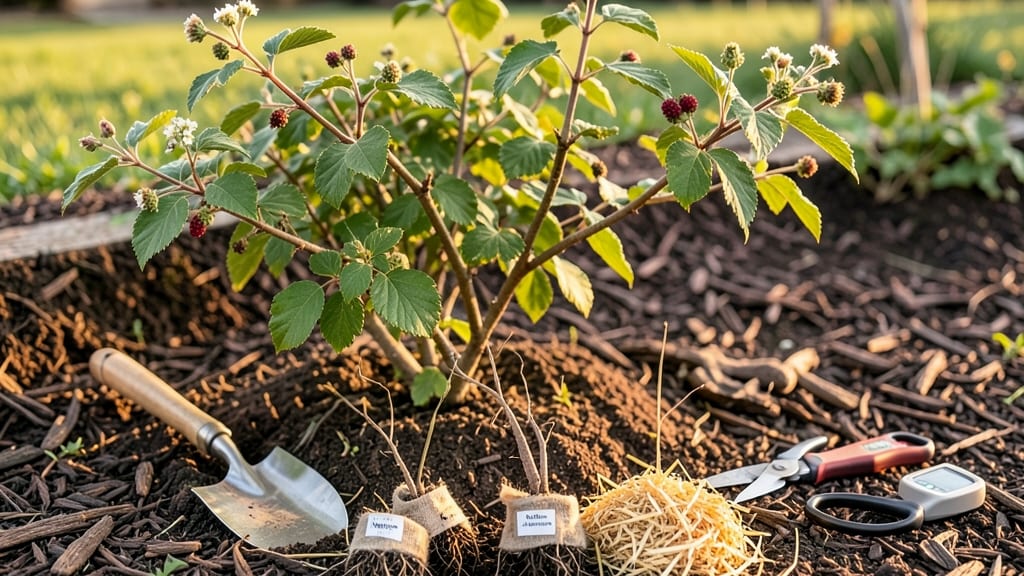
Timing your blackberry 🫐 planting in Virginia isn’t just about picking a month—it’s about surviving the state’s unpredictable frosts and heat waves. Plant too early, and a late frost could wipe out your young canes; too late, and your bushes won’t establish strong roots before summer’s brutal sun.
The secret lies in understanding Virginia’s 6a-7b zones, where chill-hour needs and frost-free windows dictate success.
Most gardeners in Virginia get it right by planting in late winter to early spring (February-April) or during fall (September-October), when soil temperatures are cool but stable. This timing lets your blackberries develop deep roots before summer’s intensity or winter’s chill sets in.
But if you’re in the Piedmont region, where frosts linger longer, you’ll need to adjust your schedule—and I’ll show you exactly how.
What you’ll discover here isn’t just a calendar—it’s a game-changer for avoiding common mistakes like poor fruit set or stunted growth. We’ll cover everything from soil prep to variety selection (thornless types thrive here!) and how to protect your plants from Virginia’s unpredictable frost patterns.
Whether you’re a beginner or a seasoned gardener, these tips will help you grow blackberries that produce bountiful harvests year after year.
Ready to turn your Virginia garden into a blackberry powerhouse? Let’s dive into the exact steps to plant your canes at the perfect time—so you can enjoy those sweet, juicy berries by mid-summer without the stress.
Best planting months in Virginia based on chill-hours & frost zones
Virginia’s USDA zones 5-8 create a tricky balance for blackberry growers. The chill-hour requirements (300-1,000+ hours) of different varieties must align with your local winter cold, while avoiding late spring frosts that can kill new growth.
For most of Virginia, early spring (March-April) and fall (September-October) offer the safest windows—but your exact timing depends on where you live.
In northern Virginia (zones 6a-7a), where winters are colder, plant bare-root canes in early spring (late March to early April) once soil temperatures rise above 40°F (4°C). This gives young plants time to establish roots before summer heat arrives.
For southern Virginia (zones 7b-8a), fall planting (September-October) works better—roots develop before winter dormancy, and you avoid the peak heat of summer.
The Piedmont region (e.g., Charlottesville, Lynchburg) has the most predictable frost patterns, making both spring and fall viable. However, the Coastal Plain (e.g., Norfolk, Richmond) often experiences warmer winters with fewer chill hours, so choose varieties like ‘Natchez’ or ‘Ouachita’ that thrive with 400-500 chill hours.
Pro Tip: Check your local last frost date (typically March 15 in most of Virginia) and wait 2-3 weeks after that to plant in spring. For fall, aim to plant 6-8 weeks before first frost (usually November 15) to allow root establishment.
🌱 Virginia Blackberry Planting Guide by Region & Chill-Hours
| Region | USDA Zone | Best Planting Months | Chill-Hour Needs | Recommended Varieties |
|---|---|---|---|---|
| Northern VA (e.g., Shenandoah) | 6a-7a | Early Spring (March-April) | 800-1,000 hours | ‘Cheyenne’, ‘Triple Crown’, ‘Arapaho’ |
| Piedmont (e.g., Charlottesville) | 7a-7b | Spring OR Fall (March-April or Sept-Oct) | 500-700 hours | ‘Natchez’, ‘Ouachita’, ‘Chester’ |
| Coastal Plain (e.g., Norfolk) | 7b-8a | Fall (September-October) | 300-500 hours | ‘Apache’, ‘Arapaho’, ‘Chester’ |
| Valley (e.g., Roanoke) | 6b-7a | Early Spring (Late March) | 700-900 hours | ‘Triple Crown’, ‘Chester’, ‘Arapaho’ |
Note: Thornless varieties like ‘Natchez’ and ‘Chester’ are popular in Virginia for easier harvesting. Always check local microclimates—urban areas may have warmer pockets than rural zones.
If you’re in zone 5 (far northwest VA), prioritize high-chill varieties (900+ hours) like ‘Cheyenne’ or ‘Triple Crown’ and plant in early spring to avoid winter dieback.
Meanwhile, zone 8 gardeners (southeast VA) can push fall planting into early November if soil stays warm, using varieties like ‘Apache’ that tolerate milder winters.
For container growing (common in urban VA), plant in late spring (May) after frost risk passes. Use 5-gallon pots with well-draining soil and move containers to protected spots if nighttime temps drop below 40°F (4°C). Containers dry out faster, so water daily in summer.
One common mistake? Planting too early in cold, wet soil. Roots rot in temperatures below 40°F (4°C), so wait until soil is workable and slightly warm. Stick your finger 6 inches deep—if it’s cold and damp, wait another week.
Finally, soil pH matters. Virginia’s native soil is often acidic (pH 5.0-6.0), but blackberries prefer slightly acidic to neutral (pH 5.5
Best planting months in Virginia based on chill-hours & frost zones
Virginia’s USDA zones 5-8 create a tricky balance for blackberry growers. The key is matching your chill-hour needs (300-1,000+ hours) with the right planting window. Most Virginia varieties need 500-800 chill hours, so timing is everything to avoid frost damage or poor fruit set.
In northern Virginia (zones 5-6), aim for late March to early April planting when soil temperatures reach 50°F (10°C). Southern Virginia (zones 7-8) can plant as early as February, but watch for late frosts that can still hit until mid-April in the Piedmont region.
| Virginia Region | USDA Zone | Best Planting Window | Chill-Hour Range | Frost Risk |
|---|---|---|---|---|
| Northern VA (Piedmont) | 5-6 | Late March - Early April | 500-800 hours | High (late frosts) |
| Central VA (Richmond) | 7a | Mid-February - March | 600-900 hours | Moderate |
| Southern VA (Coastal Plain) | 7b-8a | January - Early February | 700-1,000+ hours | Low |
| Fall Planting (All Regions) | 5-8 | September - October | Same as spring | Low (established roots) |
Fall planting (September-October) works well across Virginia because established roots have time to harden before winter. This gives thornless varieties like 'Natchez' or 'Ouachita' a head start in zone 6 where winters can be harsh.
For early varieties like 'Chester', plant in late winter when soil is workable but before buds break. Avoid mid-April planting—this often coincides with Virginia’s last frost dates, which can stress young plants.
Pro tip: Use mulch (straw or pine needles) after planting to protect roots from temperature swings. In zone 5, add an extra layer if winters are particularly cold. This simple step can mean the difference between a thriving bush and a frost-damaged plant.
Always check your local Almanac frost dates—Virginia’s last frost can vary by 2-3 weeks between the mountains and Tidewater regions. When in doubt, plant 2-3 weeks after your area’s average last frost date.