
Plants
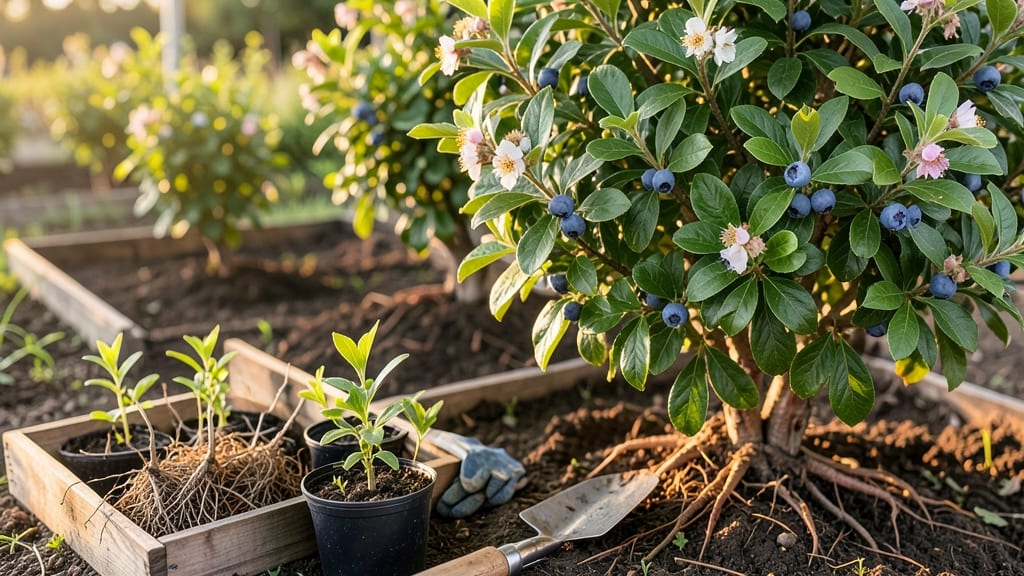
Timing your blueberry 🫐 planting in New Jersey isn’t just about the calendar—it’s about survival. With late frosts lingering into May and winters that can push 6a-7b zones to their limits, planting too early or late means risking frozen roots or stunted growth.
Most gardeners in NJ swear by fall planting (September–October) as the safest bet, letting roots establish before winter’s chill. But spring offers a second chance—if you wait until after the last frost (usually late April–early June). The key? Matching your variety to NJ’s climate quirks.
Whether you’re a first-time grower or a seasoned gardener, I’ll break down the exact windows, soil tweaks, and frost-proofing tricks that make the difference between a thriving bush and a sad, frozen statistic.
Ready to turn your backyard into a blueberry powerhouse? Let’s dive into the steps that’ll have you harvesting juicy berries by mid-July.
Best planting months in NJ based on chill-hours & frost dates
New Jersey’s blueberry bushes thrive when planted during two key windows: late spring (after frost) or early fall (before ground freezes). The state’s USDA zones 6a-7b and chill-hour requirements (400–1,000 hours) play a huge role in timing.
Northern NJ (e.g., Bergen County) needs more chill hours than southern NJ (e.g., Cape May), so adjust planting dates accordingly.
Spring planting in NJ typically starts after April 15, once the risk of late frosts has passed. Fall planting, however, is often preferred because it gives roots time to establish before winter.
Aim for September–October in most of NJ, but coastal areas can extend planting into early November due to milder winters.
Blueberries require 400–1,000 chill hours (temperatures below 45°F) to produce fruit. Northern NJ (zones 6a-6b) usually gets enough chill hours, while southern NJ (zone 7b) may need cold-hardy varieties like ‘Patriot’ or ‘Jersey’ to ensure proper dormancy and fruiting.
| Planting Window | Best Months | Chill-Hour Needs | Frost Risk |
|---|---|---|---|
| Spring Planting | Late April–Early June | 400–1,000 hours | High (late frosts) |
| Fall Planting | September–October | 400–1,000 hours | Low (roots establish before freeze) |
| Northern NJ (Zones 6a-6b) | Late April–Early June | 800–1,000 hours | Very High (late frosts common) |
| Southern NJ (Zone 7b) | September–Mid-November | 400–600 hours | Moderate (cooler winters) |
If you’re planting in spring, wait until soil temperatures reach at least 50°F and the last frost date has passed. Check your local frost-free date (typically April 15 in northern NJ and March 31 in southern NJ) to avoid damaging tender new growth.
Use a frost calendar or ask your local cooperative extension office for precise dates.
For fall planting, aim to get bushes in the ground 6–8 weeks before the first frost. This gives roots time to establish before winter dormancy. In NJ, this usually means September for northern regions and October for southern regions.
Avoid planting too late—bare-root plants need time to root before freezing temperatures hit.
One critical mistake NJ gardeners make is planting too early in spring when soil is still cold or too late in fall when roots can’t establish. Both scenarios lead to weak plants and poor fruit production the following year.
Always test your soil pH (blueberries need 4.5–5.5) and amend with peat moss or sulfur if needed.
Pro tip: If you’re in a coastal area (like Cape May), you can push fall planting into early November because milder winters reduce frost risk. However, inland areas should stick to September–October to avoid winter damage.
Always mulch heavily (4–6 inches) after planting to insulate roots during NJ’s winter temperature swings.
Remember, blueberries are perennial, so planting at the right time ensures decades of harvests. Whether you choose spring or fall, prioritize soil prep, proper spacing, and variety selection for NJ’s climate.
With the right timing, your bushes will reward you with juicy, homegrown blueberries for years to come! 🫐
Best planting months in NJ based on chill-hours & frost dates
New Jersey’s climate varies dramatically from north to south, so timing your blueberry planting depends on chill-hours and last frost dates. Northern NJ (USDA Zone 6a) needs 900–1,000 chill-hours, while southern NJ (Zone 7b) thrives with 400–600 chill-hours.
This means fall planting (September–October) is ideal for most regions, but spring planting (late April–early June) works if you’re in a warmer microclimate.
The average last frost date in NJ ranges from April 15 in the north to April 30 in the south.
Planting too early risks late frosts damaging tender roots, while waiting too long may stress young bushes before winter. Fall planting gives roots time to establish before winter dormancy, while spring planting requires frost protection for the first few weeks.
| Planting Window | Chill-Hour Needs | Best For | Frost Risk |
|---|---|---|---|
| Late April–Early June | 400–600 hours | Southern NJ (Zone 7b) | Moderate (use frost cloth) |
| September–October | 900–1,000 hours | Northern NJ (Zone 6a) | Low (roots establish before winter) |
| August (bare-root) | All zones | Drought-prone areas | None (dormant planting) |
For spring planting, wait until soil temperatures reach 50°F and nighttime temps stay above 40°F. Use row covers if frost is forecasted. Fall planting is safer—aim for 6–8 weeks before first frost (typically September 15–October 15 in NJ). This ensures roots establish before winter dormancy.
Northern NJ gardeners should prioritize high-chill varieties like ‘Bluecrop’ or ‘Patriot,’ while southern NJ can grow low-chill types like ‘Premier’ or ‘Top Hat.’
Check your local frost dates via the NJ State Climate Office to fine-tune your schedule. Microclimates near water or hills can shift frost dates by 1–2 weeks, so observe your yard’s patterns.
If you miss the ideal window, bare-root blueberries can be planted in late winter (February–March) while dormant, but mulch heavily to protect roots. Avoid planting in summer heat—transplant shock is far worse under stress. Container-grown bushes offer more flexibility but need consistent moisture during establishment.
Pro tip: Mark your planting date and track first bloom time next spring. If blooms appear too early (before April 15), your bushes may need chill-hour adjustments or a different variety. Adjust mulch depth annually to maintain soil temps—3–4 inches of pine straw works best for acid-loving blueberries.