
Plants
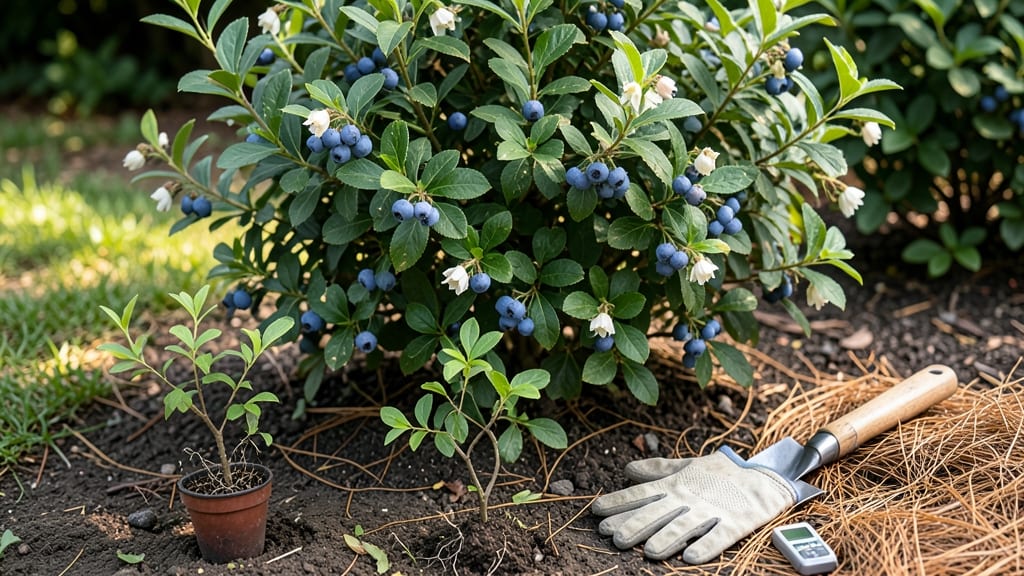
Knowing when to plant blueberry bushes in Alabama isn’t just about picking a month—it’s about timing the 🫐 blueberry bush’s delicate roots to avoid the pitfalls of Alabama’s unpredictable spring weather. Too early, and frost can stunt your new plants before they even take root.
Too late, and summer’s sweltering heat might stress them out before they establish. The 30-day window between late winter and early spring (February to March) is your sweet spot, but there’s more to it than just the calendar.
Alabama’s 7a-8b climate zones mean your neighbors in northern Alabama might be playing by different rules than those in the southern part of the state. Soil temperatures, frost dates, and even microclimates can shift your ideal planting window by weeks.
I’ll break down exactly how to read your local cues—like soil warmth and bud swell—so you can plant with confidence, whether you’re working with bare-root bushes or container-grown varieties.
What sets Alabama apart is how quickly conditions can change. One week might feel like spring, and the next, you’re dealing with a surprise frost. I’ll show you how to prepare your soil, choose the right variety for your area, and even troubleshoot if you’ve missed the perfect window.
By the end, you’ll know not just when to plant, but how to give your blueberries the best shot at thriving—so you can enjoy that first harvest in May or June.
The key to success? Starting now. Whether you’re a first-time gardener or a seasoned pro, these insights will help you avoid the most common mistakes—and set your blueberry bushes up for years of sweet, juicy rewards. Let’s get those roots in the ground the right way.
Best planting times for blueberry bushes in Alabama’s climate zones
Alabama’s USDA Zones 7b-8b create unique challenges and opportunities for blueberry growers. Unlike northern states, we don’t have to worry about harsh winters, but our humidity and occasional late frosts demand precise timing.
The ideal window for planting bare-root blueberries is late February through early March, while container-grown bushes can go in until April.
This timing aligns with when soil temperatures reach 45-50°F (7-10°C), perfect for root establishment. In northern Alabama (Zone 7b), aim for March planting to avoid late spring frosts that can damage new growth. Southern Alabama (Zone 8b) gardeners have more flexibility, with February through April being ideal.
Here’s why timing matters: Planting too early risks frost damage to tender roots, while planting too late may delay fruit production by a year. The key is getting those roots established before the heat of Alabama summers sets in.
🌱
| Zone | Best Planting Window | Soil Temp Requirement | Key Consideration |
|---|---|---|---|
| 7b (Northern AL) | Late March - Early April | 45-50°F (7-10°C) | Avoid late frosts |
| 8a (Central AL) | February - March | 50-55°F (10-13°C) | Balanced frost risk |
| 8b (Southern AL) | January - April | 55-60°F (13-16°C) | Extended growing season |
For container-grown blueberries, you have more flexibility—plant anytime except during extreme heat or cold snaps. These bushes can handle transplanting year-round in Alabama’s climate, but spring planting still gives them the best head start.
If you miss the ideal window, don’t panic! Fall planting (October-November) is possible in Zone 8b, but the bushes will need extra winter protection from Alabama’s occasional cold snaps. Just be prepared to mulch heavily and monitor for frost.
Pro tip: Check your local Alabama Cooperative Extension Service for your specific county’s frost dates. These vary by just a few weeks across the state, and that small difference can make a big impact on your blueberry’s first year.
Remember, soil temperature matters more than air temperature. Use a soil thermometer to confirm your planting site is ready—this simple tool can save you from planting too early and risking frost damage to your new bushes.
🌡️
Once you’ve nailed the timing, the next critical step is soil preparation. Alabama’s native soils are often too alkaline for blueberries, which thrive in acidic soil (pH 4.5-5.5).
We’ll cover that in depth in the next section, but for now, mark your calendar for that late February to early April window—your future blueberry harvest depends on it!
Best planting times for blueberry bushes in Alabama’s climate zones
Alabama’s USDA Zones 7b-8b create a perfect environment for blueberry bushes, but timing your planting is critical to avoid frost damage or heat stress.
The ideal window spans late winter to early spring, specifically February through March, when soil temperatures rise above 40°F (4°C)—the threshold for root establishment.
In northern Alabama (Zone 7b), where late frosts can linger until mid-March, aim for February planting to give roots time to establish before warm weather arrives.
Southern regions (Zone 8b) can extend planting into early April with minimal frost risk, but avoid planting after mid-April to prevent summer drought stress.
🌱Pro Tip: Check your local Alabama Cooperative Extension Service frost date maps for precise timing—some microclimates (like mountain valleys) may need adjustments.
For container-grown blueberries, you have more flexibility—plant anytime except winter (November-February). These bushes establish faster because their roots aren’t shocked by transplanting. However, bare-root plants (common in nurseries) must go into the ground while dormant but before buds swell—usually December through February.
🌡️Watch for: Soil temperatures below 40°F (4°C) can stunt root growth, while temperatures above 85°F (29°C) stress new plants. Use a soil thermometer to monitor conditions if planting in late March or April.
If you miss the ideal window, fall planting (October) is a secondary option—but only in Zone 8b where frosts are rare. In colder areas, wait until next spring to avoid winter dieback. For container plants, early summer (June) can work if you provide extra shade and consistent watering.