
Plants
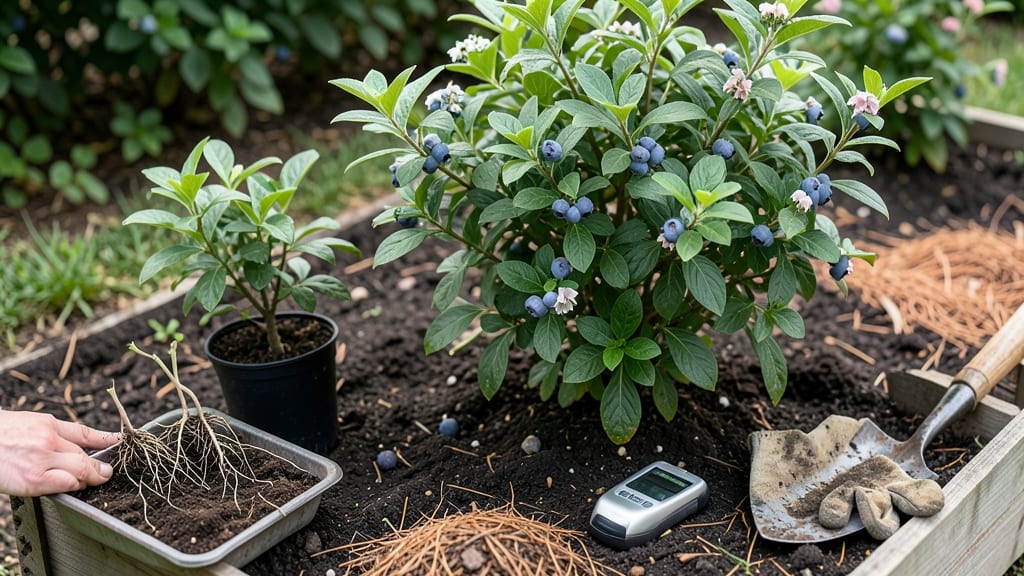
Best planting times for blueberries in Wisconsin’s Zone 3-5 climate
Timing is everything when planting blueberries in Wisconsin, where Zone 3-5 winters demand precise strategy. The ideal windows are early spring (April) or early fall (September-October), but each has unique advantages.
Spring planting lets roots establish before summer heat, while fall gives plants a head start before dormancy. Wisconsin’s last frost dates (mid-April in most areas) and first frost risks (mid-October) shape these decisions.
For bare-root blueberries, fall planting is preferred—roots harden off naturally before winter. Container-grown plants, however, adapt better to spring planting since their roots stay active longer. Southern Wisconsin (Zone 5) can push fall planting slightly later than northern areas (Zone 3), where earlier frost demands caution.
Always check your local USDA frost map for precise timing.
Soil temperature is critical: aim for 40-50°F (4-10°C) when planting. In Wisconsin, this typically aligns with late April to early May for spring or September 15-October 15 for fall. Cold soil slows root growth, while warm soil risks shock. Use a soil thermometer to verify—this small tool prevents costly mistakes.
📅 Wisconsin Blueberry Planting Timeline
| Season | Best Planting Window | Soil Temp Requirement | Wisconsin Zone Notes |
|---|---|---|---|
| Spring | Late April - Early May | 40-50°F (4-10°C) | Zone 3: Wait for last frost; Zone 5: Plant 2 weeks earlier |
| Fall | September 15 - October 15 | 45-55°F (7-13°C) | Zone 3: Plant by Oct 1; Zone 5: Can extend to Nov 1 |
| Container Plants | April - June | 50-60°F (10-15°C) | Flexible timing; protect from late frosts |
💡 Pro Tip: Wisconsin’s northern regions (Zone 3) should prioritize fall planting for best survival rates.
Container-grown blueberries offer flexibility for Wisconsin gardeners. Since their roots stay moist longer, they tolerate spring planting through June, giving you a broader window. However, avoid planting after July—new roots struggle to establish before winter.
For containers, use 5-gallon pots minimum and ensure drainage holes prevent root rot in Wisconsin’s damp springs.
Regional microclimates matter in Wisconsin. Southern counties (like Milwaukee or Madison) can push fall planting later than northern areas (like Duluth or Green Bay). If you’re near Lake Michigan, expect cooler summers and later frosts—adjust your timeline accordingly.
Always monitor local weather forecasts for unexpected cold snaps, especially in Zone 3.
Mulching plays a critical role in Wisconsin’s climate. Apply 3-4 inches of pine bark mulch after planting to insulate roots from temperature swings. In fall, add an extra 2-inch layer before frost to protect dormant plants.
Avoid wood chips—they can raise soil pH, harming blueberries. Instead, use acid-loving mulches like cedar or sphagnum peat.
Watering schedules shift with seasons. After planting, keep soil consistently moist (not soggy) for 4-6 weeks). In Wisconsin’s dry summers, deep water 2-3 times per week, while fall watering tapers to once weekly. Overwatering in winter can drown roots—reduce to bi-weekly light watering when temps drop below 40°F (4°C).
Blueberries need 6+ hours of sunlight daily, but Wisconsin’s short summers mean south-facing slopes are ideal. If your yard lacks full sun, consider dwarf varieties (like 'Top Hat') for container growing near south windows.
In Zone 3, prioritize morning sun to avoid afternoon frost damage on tender new growth.
Finally, avoid planting blueberries near walnut trees—their roots release juglone toxin, stunting growth. Instead, pair them with companion plants like thyme, oregano, or ferns, which thrive in acidic soil and deter pests.
With the right timing and care, your Wisconsin blueberry bushes will reward you with years of sweet harvests.
Best planting times for blueberries in Wisconsin’s Zone 3-5 climate
Wisconsin’s Zone 3-5 climate means blueberries need precise timing to establish roots before winter or spring heat. The ideal window is either early fall (September-October) or early spring (April-May), depending on your location and plant type.
Fall planting gives roots time to settle before frost, while spring planting avoids winter stress for container-grown bushes.
Northern Wisconsin (Zone 3-4) gardeners should prioritize fall planting by late September to allow root growth before first frost.
Southern Wisconsin (Zone 5) can extend planting until early October or opt for spring planting in April after the last frost date—typically mid-April—but before soil warms beyond 50°F.
Bare-root blueberries thrive when planted in fall because their dormant state reduces transplant shock. Container-grown bushes, however, adapt better to spring planting since their roots aren’t stressed by winter exposure. Always check the USDA hardiness zone map for your exact location to fine-tune timing.
| Planting Time | Best For | Soil Temp | Root Establishment |
|---|---|---|---|
| Early Fall (Sep-Oct) | Bare-root bushes, Zone 3-4 | 50-60°F | 6-8 weeks before frost |
| Early Spring (Apr-May) | Container-grown, Zone 5 | 40-50°F | 4-6 weeks after last frost |
Avoid planting in late fall (November) or late spring (June), as these timings expose roots to extreme cold or summer heat stress. For container gardening, spring planting is safer—just bury pots halfway in soil for winter protection.
Mulch heavily (3-4 inches) after planting to insulate roots and retain moisture.
Wisconsin’s frost cycles are unpredictable, so monitor local forecasts. If a late frost threatens after spring planting, cover young bushes with frost cloth until danger passes. In northern WI, prioritize early-maturing varieties like 'Northblue' to ensure berries ripen before first frost in mid-October.
Timing isn’t just about months—it’s about soil conditions. Test soil 2 weeks before planting; if it’s too wet or frozen, delay until it’s workable. Amend heavy clay soil with compost or sand to improve drainage, a critical factor for blueberry health in Wisconsin’s humid summers.
Pro tip: Plant lowbush varieties (like 'Patriot') in September for a head start, while highbush types (like 'Bluecrop') can wait until April. Always water deeply after planting to encourage root spread—this is especially vital in Wisconsin’s dry springs.