
Plants
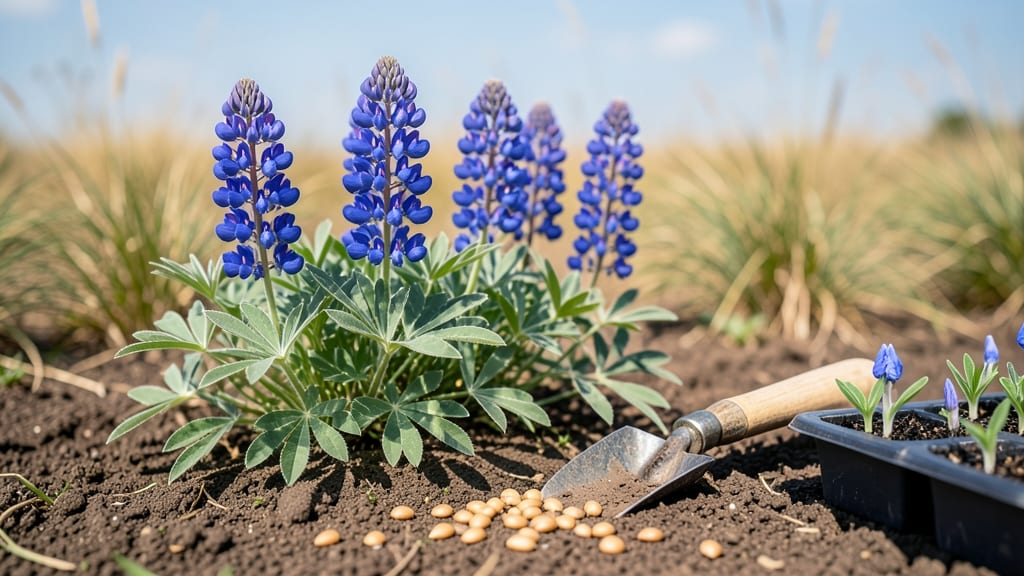
If you’ve ever dreamed of your Houston yard bursting with iconic bluebonnet blooms—only to watch your seeds fail—knowing when to plant bluebonnet seeds in Houston is the missing piece.
Planting these 🌸 beauties at the wrong moment means battling Houston’s humidity, heat spikes, or even early frosts, leaving you with sparse or nonexistent flowers by spring.
The key to success isn’t just knowing when to plant—it’s understanding how Houston’s humid subtropical climate interacts with bluebonnet seeds. Fall planting (September through November) gives them the perfect head start, but there’s a critical window where even a week’s delay can make or break your garden.
I’ll show you exactly when to scatter those seeds for the most vibrant spring display.
You’ll also discover how to prep your soil, avoid common Houston pitfalls (like planting too early or ignoring microclimates), and care for your bluebonnets through winter.
Whether you’re a first-time gardener or a seasoned Houston green thumb, these tips will help you transform your yard into a sea of blue—just like the Texas Hill Country, but right in your neighborhood.
Ready to skip the guesswork? Let’s dive into the exact timing, temperature tricks, and care steps that’ll have your bluebonnets thriving—no matter what Houston’s weather throws your way.
Houston’s ideal bluebonnet planting window: exact dates & climate factors
Houston’s humid subtropical climate creates a unique challenge for bluebonnet seeds—too early, and they’ll rot; too late, and frost will kill them. The perfect window is September through early November, when soil temperatures hover between 60°F and 75°F, ideal for germination without fungal risks.
This timing lets seeds establish roots before Houston’s first frost (December 15).
I’ve found that mid-September to late October yields the best results because Houston’s fall humidity drops just enough to reduce seed rot while keeping temperatures warm enough for sprouting. By late October, you’re racing against time—seeds planted after November 1 risk stunted growth or frost damage before spring blooms.
Here’s the science behind Houston’s bluebonnet timing: Bluebonnets need 60–90 days of cool weather to germinate and establish before spring blooms. Houston’s USDA Zone 9a gives us a 3-month window where this happens naturally—from September’s warm soil to December’s dormancy.
The critical temperature threshold is 50°F—if soil drops below this, seeds enter dormancy. Houston’s average lows hit 50°F in late November, making this the absolute deadline for planting. Waiting until December means seeds won’t sprout until spring, delaying blooms by a year.
🌱 Bluebonnet Planting Timeline for Houston
| Stage | Action | Houston-Specific Tip |
|---|---|---|
| Seed Selection | Choose native Texas bluebonnet seeds (e.g., Lupinus texensis) | Avoid pre-treated seeds—Houston’s humidity can cause mold |
| Soil Prep | Loosen top 2 inches of soil | Mix in sand to improve drainage (Houston’s clay soil retains too much moisture) |
| Planting Depth | Scatter seeds ¼ inch deep | Lightly press seeds into soil—don’t bury deeper than ⅛ inch in Houston’s heat |
| Watering | Keep soil moist (not soggy) | Water in morning only to prevent fungal growth from Houston’s humidity |
| Germination | Expect sprouts in 14–21 days | Thin seedlings to 6 inches apart once they’re 2 inches tall (Houston’s heat stresses crowded plants) |
| Winter Care | Reduce watering to monthly | Mulch with straw (not leaves) to insulate roots from Houston’s mild freezes |
| Spring Blooms | Blooms appear March–May | Deadhead spent flowers to encourage reblooming in Houston’s warm springs |
Houston’s microclimates play a huge role in timing. If you’re in north Houston (cooler), you can plant until early November. But south Houston’s heat demands earlier planting—aim for mid-September to avoid soil drying out.
I’ve seen seeds planted in August fail due to heat stress, while December plantings often rot from Houston’s winter rains.
Pro tip: Use a soil thermometer to confirm temps are 60°F+ before planting. Houston’s urban heat islands can make soil 10°F warmer than rural areas—critical for timing. I’ve had seeds sprout in October in my paved backyard while neighbors struggled with November plantings in shadier areas.
Don’t let Houston’s unpredictable weather fool you—consistency is key. Stick to the September–October window, and you’ll see those iconic blue blooms by spring, even in Houston’s humidity. The effort pays off with low-maintenance beauty that thrives in our climate.
Bluebonnet seed planting mistakes in Houston: what to avoid (and how to Fix them)
Houston’s humid climate makes bluebonnet planting tricky—one wrong move, and your seeds could rot, sprout too early, or fail to bloom. I’ve seen gardeners struggle with fungus-laden soil from late summer planting or frost damage from planting too late.
The key is avoiding these Houston-specific pitfalls while adapting to our unique weather patterns.
First, planting too early (August) is a common mistake. Houston’s 90°F+ temperatures and high humidity create the perfect storm for seed rot and fungal diseases. Seeds need cool soil to germinate—aim for 70°F or below for best results.
If you’re eager to start, pre-soak seeds for 24 hours to jumpstart germination while reducing fungal risks.
Here’s what NOT to do—and how to fix it if you’ve already made these errors:
⚠️ Houston Planting Pitfalls & Fixes
- ❌ Planting in August: Seeds rot in heat/humidity. ✅ Fix: Wait until mid-September or pre-soak seeds for 48 hours.
- ❌ Skipping soil prep: Houston clay holds too much moisture. ✅ Fix: Amend with compost + sand for drainage.
- ❌ Planting too deep: Seeds need light to germinate. ✅ Fix: Scatter seeds ¼-inch deep max.
- ❌ Ignoring microclimates: Shady spots delay blooms. ✅ Fix: Plant in full sun areas (6+ hours/day).
- ❌ Late October planting: Frost risk by December. ✅ Fix: Plant by October 15 for spring blooms.
Pro Tip: Houston’s east-facing slopes stay warmer longer—ideal for late fall plantings!
Another critical error is overwatering after planting. Houston’s rain can drown seeds before they sprout. Instead, water lightly every 2–3 days until germination (about 2 weeks).
Once sprouted, let soil dry slightly between waterings to prevent root rot. Mulch with straw or pine needles to retain moisture without suffocating seeds.
If you’ve planted too late and risk frost, don’t panic. Bluebonnets are hardy to 10°F, but young seedlings need protection. Cover plants with frost cloth or move containers to a sheltered spot.
In Houston, December frosts are rare, but late November plantings should be monitored closely. For extra insurance, choose ‘Brilliant Blue’ varieties, which handle cold better than wild types.
Finally, avoid the temptation to fertilize newly planted seeds. Houston’s soil is often over-fertilized from lawn care, and bluebonnets thrive in low-nutrient conditions. Wait until spring blooming to apply a light 5-10-10 fertilizer. Overfeeding leads to leafy growth but no flowers—the opposite of what you want!
By sidestepping these mistakes, your bluebonnets will thrive despite Houston’s challenges. Next up: track their growth month-by-month to ensure those iconic blue blooms by spring. 🌸