
Plants
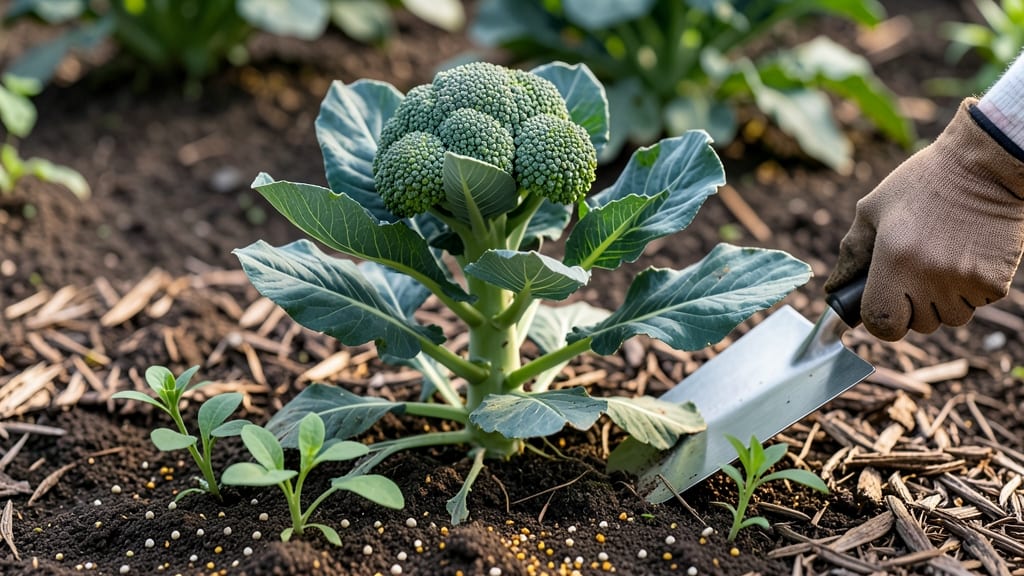
Timing your 🥦 broccoli planting in Kansas just right means the difference between a bountiful harvest and bitter disappointment—especially when summer heat triggers bolting before you even get to taste those crisp florets.
Kansas’ USDA Zone 6a climate gives you two prime windows to plant: early spring (March through April) when soil warms enough for seeds to germinate, or late summer (August to September) for a fall harvest before frost hits.
But getting those dates wrong? You’ll either watch your plants bolt early or struggle with stunted growth from heat stress.
I’ve grown 🥦 broccoli in Kansas for years, and the key isn’t just memorizing dates—it’s understanding your microclimate. Whether you’re in Wichita’s urban heat islands or the cooler hills of the Flint Hills, local frost patterns and soil temps change everything.
Let’s break down the exact timing and tricks to keep your broccoli thriving from seed to harvest.
You’ll discover how to stretch your growing season, pick the best varieties for Kansas’ swings between drought and downpours, and even use shade cloth to outsmart the summer sun. Ready to grow broccoli that actually tastes like it came from a farmers’ market? Let’s get started.
Kansas broccoli planting calendar by microclimate zone
Kansas spans USDA hardiness zones 5a to 7a, creating microclimates where broccoli thrives in spring and fall but struggles in summer heat. The key to success? Planting when soil temperatures hover between 40°F and 85°F—too hot or cold, and your seedlings will bolt or rot.
Let’s break down the exact planting windows for each zone, including frost dates and soil prep tips tailored to Kansas’ climate.
For spring planting, aim to sow seeds 4-6 weeks before your last frost date. In Kansas, this typically means late February to early April in southern zones (7a) and March to early April in northern zones (5a).
Fall planting should start 90-100 days before the first frost, usually August to early September, ensuring harvests before hard frosts hit in mid-October.
Here’s how to align your planting with Kansas’ microclimate zones and avoid common pitfalls like premature bolting or heat stress:
| Zone | Spring Planting | Fall Planting | Soil Temp | Notes |
|---|---|---|---|---|
| 5a (North KS) | March 15–April 1 | August 15–September 1 | 40–65°F | Use row covers for early starts; risk of late frosts. |
| 6a (Central KS) | March 1–April 10 | August 1–September 10 | 45–70°F | Ideal for both seasons; monitor heat waves. |
| 6b (South-Central KS) | February 28–March 31 | July 30–August 31 | 50–75°F | Extend season with shade cloth in summer. |
| 7a (Southwest KS) | February 15–March 15 | July 15–August 15 | 55–80°F | Fall planting preferred; summer bolting risk. |
🌱 Pro Tip: Test soil temps with a soil thermometer—broccoli seeds need 40–85°F to germinate.
Before planting, amend your soil with compost or aged manure to raise organic matter levels—Kansas’ clay-heavy soils benefit from this prep. Aim for a pH between 6.0 and 7.0, and avoid fresh manure, which can cause nitrogen burn.
In southern Kansas (zones 6b-7a), where summers are hotter, prioritize shade-tolerant varieties and succession planting every 2 weeks for continuous harvests.
For transplants, harden off seedlings for 7–10 days before setting them out. Space plants 18–24 inches apart in rows 2–3 feet apart to allow airflow and reduce disease risk.
In northern Kansas (zone 5a), use black plastic mulch to warm the soil faster and extend the growing season by 2–3 weeks.
Always monitor local frost dates—Kansas’ first fall frost can arrive as early as October 1 in northern zones or as late as November 1 in southern zones. Use a frost calendar from your local Cooperative Extension office to fine-tune your planting schedule.
For example, in Wichita (zone 7a), fall broccoli planted in early August will mature by mid-October, just before frosts.
If you’re starting seeds indoors, begin 6–8 weeks before your last frost date under grow lights to ensure strong seedlings. Use biodegradable pots to avoid transplant shock when moving them outdoors.
In western Kansas, where drought is a concern, drip irrigation is a game-changer—it delivers consistent moisture without wetting foliage, reducing fungal diseases like downy mildew.
Remember: Broccoli hates heat. In July and August, even heat-tolerant varieties will bolt if daytime temps exceed 80°F. That’s why fall planting is often more reliable in Kansas—cooler nights and shorter days keep plants focused on head formation instead of
How to avoid bolting: critical temperature and daylight tips for Kansas growers
Kansas’ long summer days and intense heat are broccoli’s worst enemies, triggering bolting—when plants prematurely flower and produce bitter, woody stems instead of tender heads.
The key to success is understanding how daylight length and temperature interact to push broccoli into flowering mode, then using proven strategies to delay it.
Broccoli is a cool-season crop that bolts when exposed to 14+ hours of daylight or soil temperatures above 80°F. In Kansas, this happens reliably by early June, making spring planting a gamble unless you take precautions.
The solution? Succession planting, shade strategies, and choosing heat-tolerant varieties designed to thrive in our climate.
Here’s how to outsmart Kansas’ climate: plant early spring varieties before May 15 to harvest before bolting season kicks in, or focus on fall plantings (August-September) when days shorten naturally. For summer plantings, use 30-50% shade cloth to reduce light exposure and keep soil temperatures below 75°F.
⚠️ Bolting Warning Signs
Watch for: Tall, leggy stems; yellowing leaves; and flower stalks emerging from the center. Once bolting starts, the plant will never produce quality heads again.
Another critical tactic is succession planting every 2-3 weeks from March through May. This ensures a steady harvest before Kansas’ heat triggers bolting.
For example, plant your first batch in early March, followed by batches in mid-April and late April—this staggered approach guarantees you’ll harvest some heads before the heat sets in.
Watering also plays a surprising role in preventing bolting. Deep, consistent watering (1-1.5 inches per week) keeps soil temperatures cooler and reduces stress. Avoid overhead watering in the evening, as wet foliage can encourage disease and further stress the plant.
Instead, water early in the morning to give leaves time to dry.
For Kansas gardeners, heat-tolerant varieties like ‘De Cicco’ (Italian heirloom) or ‘Packman’ (hybrid) are your best bets. These varieties can handle slightly warmer temperatures and longer daylight hours better than standard types. Pair them with mulch (straw or grass clippings) to insulate roots and keep soil temps stable.
Finally, monitor your broccoli’s growth closely. If you notice stems elongating or leaves yellowing, act fast: provide partial shade immediately and consider harvesting any mature heads to reduce plant stress. With these strategies, you can extend your harvest window by 4-6 weeks in Kansas’ challenging climate.