
Plants
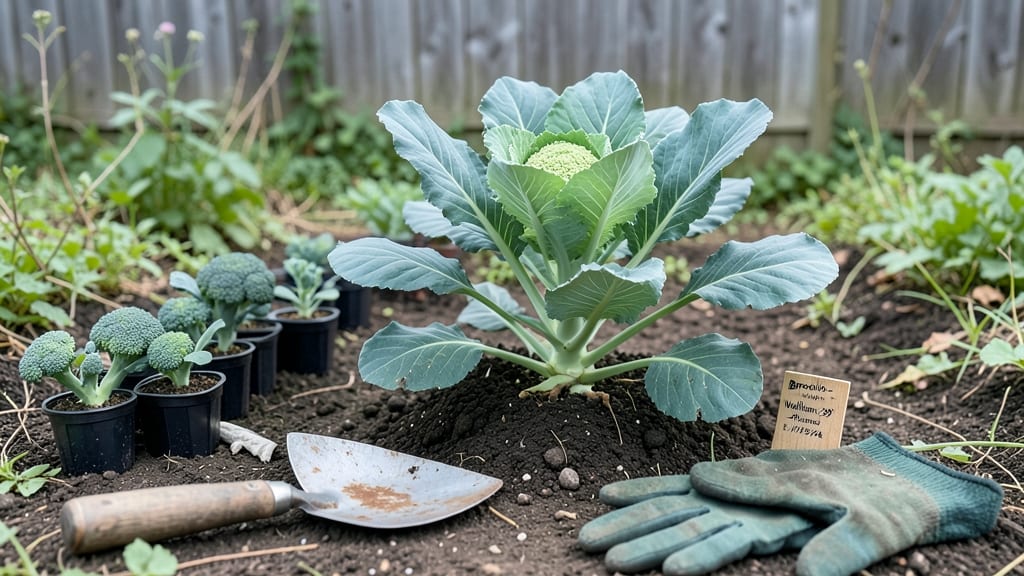
If you're dreaming of a crisp, homegrown 🥦 harvest this fall in North Carolina, timing your broccoli planting is the key to success. Planting too early risks frost damage, while waiting too long can leave your crop struggling to mature before winter.
The sweet spot? Late August to early October, when soil temperatures and daylight still support strong growth.
North Carolina's 7a-8b zones give gardeners a unique advantage for fall broccoli. Unlike some regions, our mild winters mean you can extend your growing season longer than you might think. But getting the exact timing right makes all the difference between a thriving garden and disappointing results.
I'll walk you through exactly when to plant in your specific NC region, plus pro tips to prevent bolting and maximize your harvest. Whether you're a seasoned gardener or new to growing broccoli, these insights will help you plan for perfect timing and zero-waste harvests.
Let's dive into the ideal planting windows and strategies tailored just for North Carolina's fall climate. Your garden's most flavorful broccoli could be just weeks away!
Best fall planting dates for broccoli in North Carolina (by region)
North Carolina’s diverse climate—from the Coastal Plain to the Mountains—means your fall broccoli planting window varies by USDA Zone. In Zone 7a (mountains), frost arrives by mid-October, while Zone 8b (coastal) holds off until mid-November. To avoid bitter bolting or frost damage, time your plantings precisely.
For direct sowing, aim for late August to early October. Start 6-8 weeks before your first frost—this ensures mature heads before winter. In the Piedmont, that’s early September; in the Coastal Plain, you can push it to mid-October.
If you’re starting seeds indoors, begin 4-6 weeks before transplanting.
Soil temperature is critical: broccoli thrives in 55–75°F soil. In NC’s fall, soil cools quickly—wait until daytime temps drop below 85°F (usually late August) to prevent heat stress. Use a soil thermometer to confirm readiness before sowing.
Here’s your region-specific planting timeline for zero-bolt harvests:
Pro tip: Check your local Cooperative Extension Service for microclimate adjustments. For example, elevated gardens in the mountains may frost earlier than valleys. If you’re unsure, err on the earlier side—broccoli grows slower in cooler temps.
For transplants, buy 6-week-old seedlings from nurseries and set them out 2–3 weeks before your direct sow window. Harden them off first by placing them outdoors for 2–3 hours daily for a week. This mimics NC’s fall temperature swings and reduces transplant shock.
After planting, monitor soil moisture closely. Fall rains can lead to waterlogged soil, which causes root rot. Use a drip irrigation system or soaker hoses to deliver 1–2 inches of water weekly, focusing on the root zone.
Mulch with straw or shredded leaves to retain moisture and insulate roots.
If you’re in a warmer microclimate (e.g., southeastern NC), you might squeeze in a second planting in late October. Choose fast-maturing varieties like ‘Calabrese’ (58 days) to harvest before frost. Just be prepared to protect seedlings with frost cloth if temps dip below 28°F.
Remember: Broccoli bolts when stressed—whether from heat, drought, or poor soil. In NC’s fall, the biggest risk is cool nights and warm days, which can trigger flowering. To prevent this, shade cloth (30–50%) can help during late-September heat spikes.
🌱
How to prevent bolting in fall-planted broccoli (NC-specific tips)
Fall-planted broccoli in North Carolina faces a unique challenge: bolting—when plants prematurely flower due to temperature shifts. Unlike spring plantings, fall broccoli often bolts from cool nights and warm days, especially in NC’s Zone 7a-8b.
The key is managing soil and air temperatures while selecting the right varieties for your region’s microclimate.
Bolting occurs when broccoli senses lengthening daylight or temperature fluctuations. In NC, this typically happens in late September to early October when days start shortening but soil may still retain summer warmth.
To prevent this, choose cool-season varieties like ‘Waltham 29’ (slow to bolt) or ‘De Cicco’ (compact heads), which perform better in NC’s fall conditions.
Here’s the critical temperature threshold to monitor: broccoli bolts when soil temps drop below 45°F at night or rise above 80°F during the day. In NC’s Piedmont region, this often means mulching heavily with straw (3-4 inches) to insulate roots and keep soil temps stable.
For mountain areas (Zone 7a), use black plastic mulch to absorb daytime heat and release it slowly.
⚠️ Bolting Warning Signs
🌱 Yellowing leaves or 🌼 flower stalks emerging mean bolting has started. At this point, the plant will prioritize seed production over head development, ruining your harvest. Act fast: harvest any mature heads immediately and pull the rest to prevent seed spread.
💡 Pro Tip: If you spot early signs (leaves curling upward), try shading the plants with floating row covers during peak sun hours (10 AM–2 PM) to delay bolting by 1-2 weeks.
Another NC-specific trick is succession planting in staggered batches. Start your first batch in late August (for mountain regions) or early September (Coastal Plain), then sow a second batch 2-3 weeks later.
This ensures a rolling harvest before bolting becomes inevitable. For example, if your first planting bolts in early November, the second batch may still produce heads in December.
Don’t overlook companion planting to naturally regulate temperatures. Pair broccoli with dwarf beans or lettuce, which provide shade during hot afternoons. Avoid planting near tomatoes or peppers, which can compete for nutrients and stress the broccoli, making it more susceptible to bolting.
In NC’s humid fall weather, improve airflow by spacing plants 18-24 inches apart.
Finally, water consistently—but avoid wetting the leaves, which can trigger fungal diseases that weaken plants. Use drip irrigation or soaker hoses to deliver 1-2 inches of water weekly, focusing on the soil base.
In NC’s fall, morning watering (before 10 AM) prevents evening moisture that can prolong damp conditions and stress the plants.