
Plants
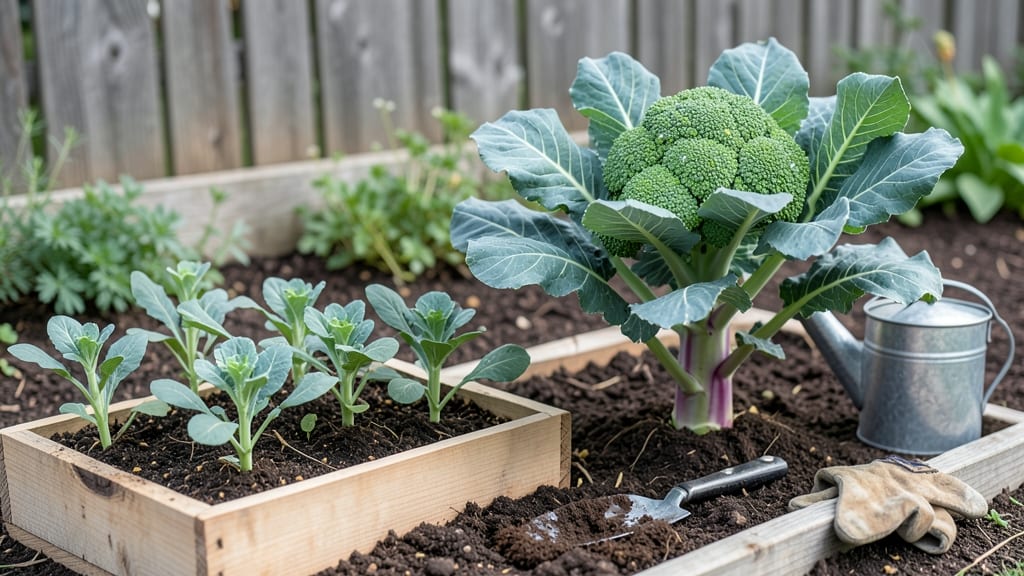
Timing your 🥦 broccoli planting in Utah can mean the difference between a bountiful harvest and wasted effort. With the state's dramatic swings from chilly springs to scorching summers, getting those seeds in the ground at the right moment is absolutely critical.
Most Utah gardeners know broccoli thrives in cool weather, but did you realize you actually have two prime windows to plant? The first opportunity arrives in early spring when soil temperatures hit that sweet spot of 40-75°F, while fall planting offers a second chance for late-season harvests.
Missing these windows risks bolting plants or stunted growth.
I've grown broccoli successfully across Utah's diverse zones 5-8, and what I'm about to share will help you avoid common mistakes that derail even experienced gardeners.
Whether you're in the Salt Lake Valley or Southern Utah's high desert, these timing secrets will give you the confidence to plant like a pro.
Let's break down exactly when to start your seeds, how to prepare your soil, and which varieties perform best in Utah's climate. Your garden's future harvest is just a few weeks away - let's get those plants growing right!
Utah’s ideal broccoli planting windows by region (Salt Lake Valley vs. Southern Utah)
Utah’s diverse climate—from the Salt Lake Valley’s moderate elevation to Southern Utah’s high desert—means broccoli planting times vary dramatically. In USDA Zones 5-8, timing is critical to avoid heat stress or early frost damage.
The key is planting when soil temperatures hit 40-75°F and frost risk drops below 10%. Let’s break it down by region to maximize your harvest.
For Salt Lake City and surrounding areas, aim for mid-March to mid-April for spring planting, with a fall window of late July to early August. Southern Utah’s higher elevations (like Moab or St. George) shift these dates by 2-4 weeks later due to later last frosts.
Always check your local USDA frost calendar—Utah’s last frost ranges from April 15 in valleys to May 15 in mountain regions.
Soil temperature is more critical than air temperature. Use a soil thermometer to confirm 50°F+ before planting—cold soil delays germination. In high-desert areas, morning frost can linger even after daytime warmth, so plant after May 1 for spring crops.
🌱 Utah Broccoli Planting Comparison
| Region | Spring Planting Window | Fall Planting Window | Soil Temp Requirement | Key Varieties |
|---|---|---|---|---|
| Salt Lake Valley | Mid-March to mid-April | Late July to early August | 45-65°F | ‘De Cicco,’ ‘Waltham 29’ |
| Southern Utah (St. George) | Late March to early May | Early August to mid-September | 50-70°F | ‘Calabrese,’ ‘Green Gems’ |
| High Desert (Moab) | Late April to early June | Mid-August to late September | 55-75°F | ‘Belstar,’ ‘Packman’ |
💡 Pro Tip: Southern Utah’s heat means fall planting is riskier—opt for shade cloth if temps exceed 85°F.
For two harvests per year, stagger plantings every 2-3 weeks within your region’s window. Example: In Salt Lake City, plant March 15, April 1, and April 15 for staggered spring harvests. This ensures continuous production while avoiding bolting (when broccoli flowers prematurely due to heat).
Fall planting requires even more precision. Seedlings must establish roots before first frost (typically October 15). In high-desert areas, push fall planting to mid-August—earlier sowings may bolt before harvest. Use row covers to extend the season by 2-3 weeks if frost threatens.
Microclimates matter—even within cities. Urban areas like Park City (higher elevation) have cooler soils and later planting dates than Provo. Observe your garden’s sun exposure and wind patterns: South-facing slopes warm faster, while north-facing spots stay cooler longer.
Soil prep is non-negotiable. Utah’s alkaline soils (pH 7.5-8.5) need gypsum or compost to lower pH to 6.0-7.0. Mix in 2-3 inches of compost and 1 cup of 10-10-10 fertilizer per 10 sq ft before planting. Test your soil—broccoli hates alkaline conditions and will suffer from nutrient lockout.
Succession planting is your secret weapon. Instead of one big spring planting, sow small batches every 10-14 days for continuous harvests. This works especially well in Southern Utah, where the growing season is shorter. Pair early varieties (like ‘Green Gems’) with late varieties (like ‘Packman’) to spread out your harvest.
Heat tolerance varies by variety. If you’re pushing the limits in St. George, choose ‘Calabrese’—it handles 90°F+ better than most. In mountain regions, ‘De Cicco’ thrives in cooler temps. Always check seed packets for days to maturity and align with your frost dates.
Final rule of thumb: Count 90 days from your planting date to the first frost. If your variety matures in 70 days, you’ve got a 20-day buffer—critical for Utah’s unpredictable fall weather. Use this frost-free calculator to plan: Utah State University Extension.
Utah’s ideal broccoli planting windows by region (Salt Lake Valley vs. Southern Utah)
Utah’s diverse climate—from the Salt Lake Valley’s cooler springs to Southern Utah’s hotter desert summers—means broccoli planting times vary dramatically. In USDA Zones 5-7 (Salt Lake City area), aim for mid-March to mid-April for spring plantings, while Zone 8 (St. George) should wait until late February to early March.
Fall plantings shift to late July to early August statewide to avoid summer heat stress.
Soil temperature is critical: broccoli seeds need 40-50°F soil to germinate, while mature plants thrive in 60-75°F. In Utah’s high desert, soil warms faster than in valleys, so adjust planting dates 1-2 weeks earlier for areas like Park City compared to Provo.
Always check frost-free dates—Salt Lake’s average last frost is April 15, but Southern Utah can be 2-3 weeks earlier.
| Region | Spring Planting Window | Fall Planting Window | Soil Temp Requirement | Key Varieties |
|---|---|---|---|---|
| Salt Lake Valley (Zones 5-7) | Mid-March to mid-April | Late July to early August | 45-60°F for germination | ‘Calabrese,’ ‘Waltham 29’ |
| Southern Utah (Zones 7-8) | Late February to early March | Early August to mid-September | 50-65°F for germination | ‘De Cicco,’ ‘Green Magic’ |
| High Desert (Zones 5-6) | Late March to early April | Early August to late August | 40-55°F for germination | ‘Packman,’ ‘Blue Wind’ |
For mountain regions (e.g., Ogden, Logan), plant 2 weeks later than valley dates due to cooler nights. Use row covers if planting before April 1 to protect seedlings from 20°F dips.
In Southern Utah’s extreme heat, opt for shade-tolerant varieties like ‘Green Goliath’ and plant in partial shade during peak summer.
Succession planting works well in Utah: sow new seeds every 2 weeks from March to May for continuous harvests. In fall, late July plantings mature just before first frost (typically October 15), while August sowings may need row covers to extend the season.
Always monitor Almanac frost predictions—Utah’s microclimates can shift frost dates by 10+ days.
Pro tip: Test your soil’s pH (6.0-7.0) before planting—Utah’s alkaline soils often need gypsum or sulfur amendments. In high-elevation gardens, add 1-2 inches of compost to improve water retention. Mulch with straw or wood chips to stabilize soil temps and reduce watering needs during Utah’s dry spells.
Timing is everything in Utah’s 90-day growing window. Plant too early, and bolting ruins your crop; too late, and heat stress stunts growth. By following these region-specific windows, you’ll enjoy homegrown broccoli from May through October—just in time for Utah’s cool-season cravings! 🥦