
Plants
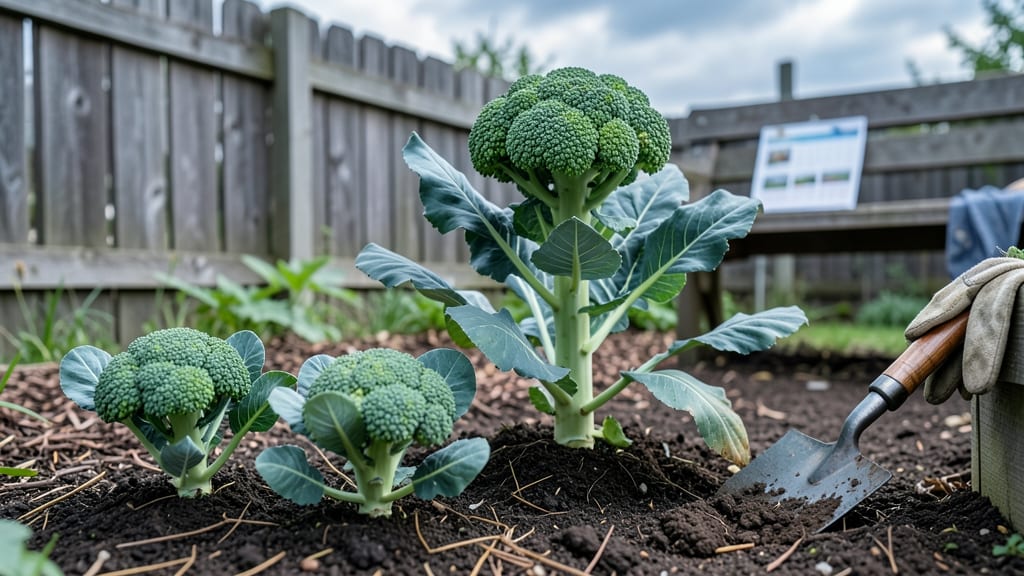
Knowing when to plant broccoli in Zone 6 can mean the difference between a thriving garden and a sad, wilted 🥦 disappointment. This cool-weather crop needs just the right timing to grow strong and flavorful, and getting it wrong often leads to bitter heads or stunted growth.
In Zone 6, your best bets are early spring (March–April) or late summer (August–September). Planting too early risks frost damage, while waiting too long can leave you with bolting broccoli before harvest.
The key is working with your local frost dates and soil temperatures to give those seedlings the perfect start.
I’ll walk you through exactly how to time your plantings for maximum yields, whether you’re starting from seeds or transplants. You’ll also learn how to adjust for unpredictable weather—because even the best-laid plans can get derailed by late frosts or unexpected heat waves.
By the end, you’ll have a clear timeline, soil prep tips, and care strategies to grow broccoli that’s crisp, abundant, and ready to harvest just when you need it. Let’s get those 🥦 plants in the ground the right way!
Optimal broccoli planting times in Zone 6: early vs late season strategies
In Zone 6, broccoli thrives in cooler temperatures between 40°F and 75°F. Planting too early or too late can lead to bolting (premature flowering) or stunted growth. The key is timing your spring and fall plantings to avoid extreme heat or frost damage.
For spring plantings, aim to sow seeds or transplant seedlings 4–6 weeks before your last frost date. In Zone 6, this typically falls between mid-March and early April. Broccoli needs soil temperatures of at least 40°F to germinate, so don’t rush—wait for stable conditions.
For fall harvests, plant seeds 80–90 days before the first frost, usually between late July and early September. This ensures heads mature before cold snaps arrive. Fall broccoli often tastes sweeter because it develops in cooler weather.
Here’s a quick comparison to help you decide which approach works best for your garden:
| Planting Window | Soil Temp | Days to Maturity | Harvest Time | Best For |
|---|---|---|---|---|
| Spring (March–April) | 40°F–60°F | 60–90 days | May–July | Early harvests, cooler weather |
| Fall (August–September) | 50°F–70°F | 70–80 days | October–November | Sweeter flavor, extended season |
If you’re unsure about your last frost date, check your local USDA Plant Hardiness Zone Map or use a frost calendar from your county extension office.
For example, in St. Louis (Zone 6a), the last frost is around April 15, while in Philadelphia (Zone 6b), it’s closer to April 20.
For direct sowing, plant seeds ½ inch deep and 1 inch apart, thinning seedlings to 12–18 inches apart once they’re 2–3 inches tall. If using transplants, harden them off for 7–10 days before planting to reduce shock.
Succession planting is another smart strategy. Sow new seeds every 2 weeks in spring and 3 weeks in fall to ensure a continuous harvest. This works especially well for smaller varieties like ‘De Cicco,’ which mature faster.
Remember, broccoli prefers well-draining, slightly acidic soil (pH 6.0–7.0). Amend your soil with compost or aged manure before planting to provide nutrients. A mulch layer also helps retain moisture and regulate soil temperature.
With the right timing and care, you’ll enjoy crisp, flavorful broccoli from both spring and fall plantings—no bitter taste in sight! 🥦
Optimal broccoli planting times in Zone 6: early vs late season strategies
In Zone 6, broccoli thrives when planted during two key windows: early spring and late summer. The last frost date (typically April 15) and first frost date (around October 15) bookend your planting opportunities.
Miss these windows, and you risk stunted plants or bitter-tasting heads. Let’s break down the perfect timing for each season.
For spring planting, aim to sow seeds or transplant seedlings 4–6 weeks before your last frost. This usually lands in March or early April in Zone 6.
Soil temperatures should reach 40–50°F for seeds to germinate properly. If you’re starting indoors, begin seeds 6–8 weeks before transplanting to give them a head start.
For fall planting, broccoli needs time to mature before cold weather sets in. Sow seeds 3 months before your first frost, which in Zone 6 means late August or early September.
This ensures a harvest before winter arrives. Fall-planted broccoli often produces sweeter, more tender heads because cooler temperatures reduce bitterness.
🌱 Zone 6 Broccoli Planting Timeline
| Season | Planting Window | Soil Temp | Days to Harvest |
|---|---|---|---|
| Spring | March–April (4–6 wks before last frost) | 40–50°F | 60–90 days |
| Fall | August–September (3 mos before first frost) | 50–60°F | 50–70 days |
✅ Pro Tip: Use succession planting every 2 weeks in spring for a continuous harvest.
If you’re unsure about your last frost date, check your local USDA Plant Hardiness Zone Map or ask your local Cooperative Extension Service for precise data. Even a 1–2 week delay can mean the difference between a thriving crop and a failed one.
For example, planting too late in spring might expose seedlings to heat stress, while fall plantings that are too early could lead to bolting (premature flowering).
For direct sowing, broadcast seeds ¼ inch deep and space them 18–24 inches apart in rows 2–3 feet apart. If using transplants, space them 18–24 inches apart in all directions.
This spacing gives plants room to grow and reduces competition for nutrients. Mulch around plants with straw or grass clippings to retain moisture and suppress weeds.
Remember, broccoli is a cool-season crop, so avoid planting it during peak summer heat (June–July in Zone 6). High temperatures cause plants to bolt quickly, producing small, bitter heads.
Instead, focus on those spring and fall windows for the best results. With the right timing, you’ll enjoy a bountiful harvest of crisp, flavorful broccoli heads all season long.