
Plants
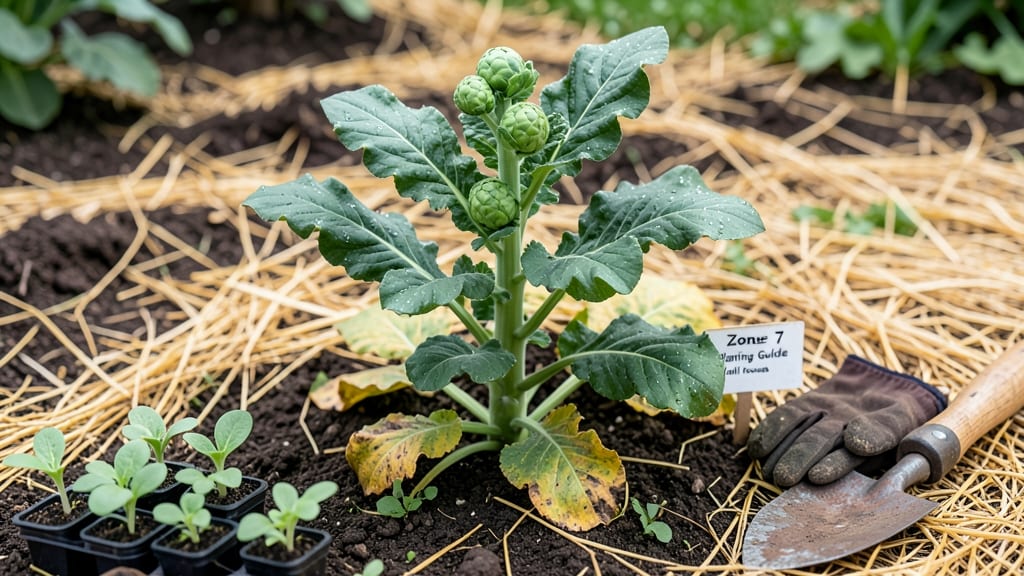
If you’ve ever planted Brussel sprouts 🥦 in Zone 7 only to watch them bolt in summer heat or freeze before harvest, you’re not alone. The key to a bumper crop isn’t just picking a random window—it’s syncing your planting with frost dates, soil temps, and your variety’s heat tolerance.
Zone 7’s mild winters and hot summers create a tight deadline: plant too early, and your sprouts will taste bitter from heat stress; too late, and frost cuts your harvest short.
I’ll break down the exact 30-day frost buffers you need, plus how to stretch your season with succession planting—so you can enjoy homegrown 🥦 from October through December.
Whether you’re transplanting seedlings or sowing seeds, the right timing makes all the difference. Let’s dive into the perfect planting windows for your Zone 7 garden, including variety-specific tips to avoid common mistakes.
Ready to grow sweeter, bigger Brussels? The clock starts now—literally. Your first frost is just 180 days away, and every day counts.
Zone 7 planting deadlines: exact dates for transplants vs direct sowing
In Zone 7, the key to growing sweet, tender Brussel sprouts lies in precise planting timing. Unlike heat-loving crops, these cool-season veggies demand careful coordination with your last frost date (April 15) and first frost date (October 15).
Plant too early, and you risk bolting from heat stress; too late, and frost will stunt growth before harvest.
For maximum yield, focus on two planting windows: early spring (March-April) and mid-summer (July-August). Each method—transplanting seedlings or direct sowing—has its own deadline based on your variety’s days to maturity (80-120 days).
Let’s break down the exact deadlines to avoid common mistakes like bitter sprouts or stunted plants.
Spring planting offers the longest harvest window, but summer planting can still yield 3–4 weeks of sprouts before frost. The trick is accounting for your variety’s days to maturity.
For example, a 90-day variety transplanted on April 1 should finish by June 30, but Zone 7’s summer heat will likely cause bolting. That’s why I recommend sticking to early spring transplants for the best results.
For direct sowing, timing is even tighter. Seeds need consistent soil temps above 40°F to germinate, which in Zone 7 typically means waiting until mid-February. Sow too early, and cold soil will delay germination by weeks.
Use a seedling heat mat if you’re eager to start earlier, but don’t rush—patience here prevents damping off.
Avoid the August 20–September 15 window entirely for planting. This period is too close to frost, and seedlings won’t mature before October’s first frost. Instead, focus on succession planting in late July for a fall harvest before winter sets in.
Pro tip: Mark your calendar for September 1. This is the absolute latest you should transplant seedlings if you’re aiming for a small harvest before frost. Use row covers to extend the season by 2–3 weeks, but don’t rely on them for a full crop.
Zone 7 gardeners often make one critical mistake: ignoring soil temperature. A soil thermometer is your best friend here. Brussel sprouts thrive in 50–70°F soil.
If temps climb above 75°F, your plants will bolt prematurely. Test your soil before planting—if it’s too warm, delay or opt for shade cloth.
Finally, remember that fall-planted sprouts taste sweeter after a light frost. If you miss the spring window, don’t despair—July–August transplants can still produce a harvest by December, provided you choose fast-maturing varieties like ‘Ruby Ball’ (85 days).
Timing your Brussel sprout planting in Zone 7 isn’t just about dates—it’s about reading your microclimate. Start with these deadlines, then adjust based on your garden’s specific conditions. With the right approach, you’ll enjoy homegrown sprouts from October through December—just in time for holiday meals! 🥦
Best Brussel sprout varieties for Zone 7 and their ideal planting times
Choosing the right Brussel sprout variety for Zone 7 is key to avoiding bitter harvests and maximizing yield. Heat-sensitive varieties like 'Long Island Improved' struggle in Zone 7’s summer heat, while heat-tolerant types like 'Ruby Ball' thrive with proper timing.
Let’s break down the top 5 varieties and their optimal planting windows to fit Zone 7’s climate.
Zone 7’s last frost date (around April 15) and first frost (typically October 15) create a 180-day growing window. Most varieties need 80–120 days to mature, so timing is everything. Plant too early, and you’ll face bolting (premature flowering); too late, and frost ruins your crop.
Here’s how to match your variety to Zone 7’s two planting seasons: spring (March–April) and fall (July–August). Each variety has unique heat tolerance and days-to-maturity that dictate when to plant for a fall harvest.
| Variety | Days to Maturity | Heat Tolerance | Spring Planting Window | Fall Planting Window |
|---|---|---|---|---|
| Long Island Improved | 90–100 days | Moderate | March 1–April 15 | July 15–August 1 |
| Ruby Ball | 85–95 days | High | March 15–April 30 | July 1–August 15 |
| Tasty Purple | 90–100 days | Moderate | March 1–April 15 | July 15–August 1 |
| Jade Cross | 80–90 days | High | March 15–April 30 | July 1–August 15 |
| Hilder | 100–120 days | Low | February 15–March 15 | June 15–July 1 |
'Ruby Ball' and 'Jade Cross' are my top picks for Zone 7 because their high heat tolerance lets you plant later in summer without risking bolting. For example, 'Ruby Ball' can handle July plantings, while 'Hilder' (a slower grower) needs an earlier start in February to avoid frost.
Pro tip: If you’re direct sowing (planting seeds outdoors), add 2–3 weeks to the transplant windows above. Seeds take longer to establish and are more vulnerable to heat stress in Zone 7’s summers. For instance, 'Long Island Improved' seeds should go in by June 15 for a fall harvest.
Remember, soil temperature matters too. Brussels sprouts thrive when soil is 45–85°F. In Zone 7, summer soil can exceed 90°F, so shade cloth or mulch helps regulate temps for late-summer plantings.
Pair your variety choice with the right microclimate, and you’ll enjoy sweet, tender sprouts from fall through winter.