
Plants
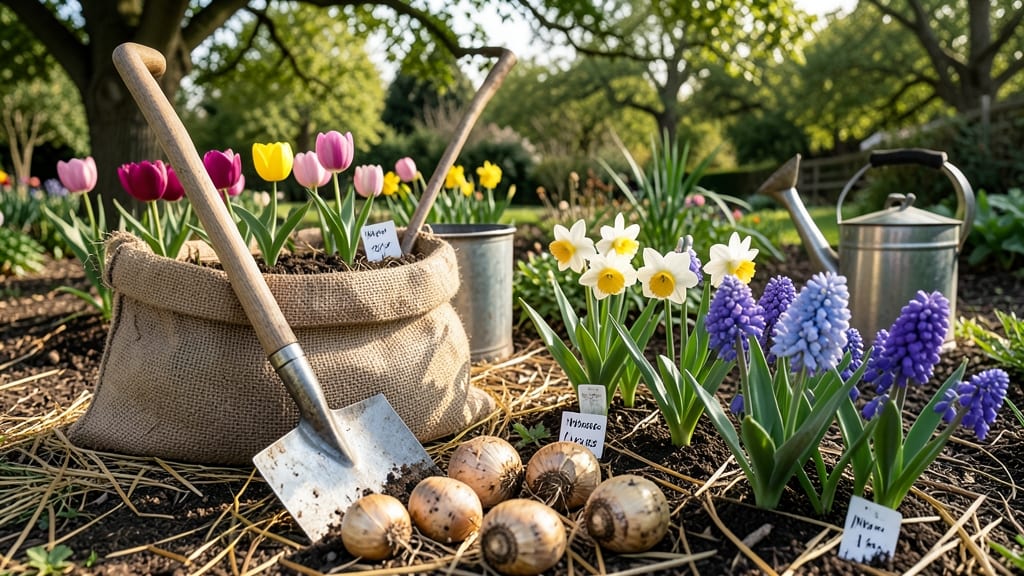
When to plant bulbs in Arizona isn’t just about luck—it’s about working with the desert’s unique rhythm. Unlike cooler climates, Arizona’s mild winters and scorching summers mean you can’t follow the usual "fall planting" rulebook. Plant too early, and your bulbs might bake before spring; too late, and they risk stress from summer heat.
I've spent years helping Arizona gardeners like you nail the perfect window, and the secret lies in understanding the heat-zone timeline.
Whether you're in Phoenix's Zone 10a or Flagstaff's cooler 7b, the right moment to plant—typically between October and February—can make all the difference between vibrant blooms and wilted disappointment.
You'll discover exactly when to tuck those bulbs into the soil for zero-frost success, which varieties thrive best in our climate, and how to prep your soil to keep them happy through summer dormancy. No more guessing games—just science-backed timing tailored to Arizona's quirks.
Let's dive into the exact months and pro tips that'll have your garden bursting with color come spring, without the risk of frost or heat damage. Your future blooms will thank you!
Arizona’s bulb planting heat-Zone map: when to plant by USDA climate Zone
Arizona’s diverse climate zones—from USDA Zone 5b in the White Mountains to Zone 11a in Yuma—create unique challenges for bulb planting. Unlike colder regions, Arizona’s mild winters and scorching summers demand precise timing to avoid heat stress or premature sprouting.
Most bulbs thrive when planted during cooler months (fall/winter), but tender varieties need special care to survive summer dormancy.
In Zone 9b-11a (Phoenix, Tucson, and surrounding areas), where frost is rare, bulbs can be planted year-round—but fall (October-November) and winter (January-February) are ideal. For higher elevations (Zones 6b-8a), like Flagstaff or Prescott, aim for September-October to avoid late-season heat.
The key? Plant when soil temps drop below 70°F.
Here’s how to match your zone to the perfect planting window:
| USDA Zone | Arizona Regions | Best Planting Window | Notes |
|---|---|---|---|
| Zone 5b-6a | White Mountains, Flagstaff | September–October | Cool nights; plant before first frost (rare but possible). |
| Zone 6b-7a | Prescott, Sedona | October–November | Moderate winters; tulips and daffodils thrive here. |
| Zone 7b-8a | Phoenix, Mesa, Tucson | October–December or January–February | Fall planting avoids summer heat; winter planting works for tender bulbs. |
| Zone 8b-9a | Yuma, Safford | November–March | Year-round planting possible; avoid summer heat. |
| Zone 9b-11a | Palm Springs, Arizona Desert | October–December or January–February | Desert-adapted bulbs (e.g., rain lilies) thrive; mulch heavily. |
For hardy bulbs like daffodils and alliums, fall planting (October-November) gives roots time to establish before summer. Tender bulbs like dahlias or cannas should wait until January-February to avoid heat stress. Always check your local last frost date—even in Arizona, unexpected cold snaps can occur in higher elevations.
Soil temperature is your best guide: Use a soil thermometer to confirm temps are below 70°F before planting. In Zone 9b-11a, this often means waiting until late October or November. Pro tip: Plant desert marigold or rain lilies in well-draining soil to prevent rot during monsoon season.
In Zone 6b-7a, where winters are cooler, you can push planting into early December for spring blooms. Just ensure bulbs are 6 inches deep to protect them from temperature swings. For container gardening, use lightweight potting mix and plant in shaded areas during peak summer heat.
Timing isn’t just about months—it’s about microclimates. A north-facing slope in Phoenix may stay cooler longer than a south-facing yard in Tucson. Observe your garden’s behavior: If leaves are already sprouting by February, it’s time to plant!
Remember: Arizona’s summer heat is brutal for bulbs. The goal is to get them established before soil temps rise above 80°F. Use organic mulch (3-4 inches) to insulate roots and retain moisture. For high-desert areas, add extra mulch to protect against freeze-thaw cycles.
Top 5 Arizona-friendly bulbs and their perfect planting timelines
Arizona’s desert climate demands bulbs that thrive in heat and drought, not just cold winters. The right varieties—like desert marigold and rain lily—bloom beautifully while surviving summer dormancy. Here are my top 5 picks with their ideal planting windows to ensure success in USDA Zones 7b-11a.
Each bulb has unique timing needs, but the golden rule is plant in cooler months to avoid summer heat stress. For example, Mexican poppy loves fall planting, while rain lilies prefer early spring when soil warms slightly.
Let’s dive into the details to pick the perfect bulbs for your Arizona garden.
🌱 Desert Marigold (Baileya multiradiata) 📅 Planting Window: September–October ✂️ Soil Prep: Well-draining, sandy soil with minimal organic matter 💧 Watering: Deep soak every 2–3 weeks after establishment 🌞 Sun Needs: Full sun (6+ hours daily) 🌸 Blooms: Winter to early spring
🌿 Rain Lily (Zephyranthes spp.) 📅 Planting Window: March–April or September ✂️ Soil Prep: Sandy, fast-draining soil (avoid clay) 💧 Watering: Drought-tolerant once established; water lightly after planting 🌞 Sun Needs: Partial shade to full sun 🌸 Blooms: After summer rains (July–September)
For Mexican poppy (Eschscholzia californica), aim for October–November planting to give roots time to establish before winter rains. These bulbs love full sun and well-draining soil, making them perfect for Arizona’s rocky terrain. Water deeply once a week until blooms appear, then reduce to bi-weekly.
🌵 Agave (Century Plant) is a low-maintenance desert staple. Plant in spring when soil temperatures rise above 60°F. Unlike other bulbs, agave thrives on neglect—water only when soil is bone-dry and avoid fertilizing. Its spiky, architectural foliage adds year-round interest to xeric landscapes.
Even classic daffodils (Narcissus) can thrive in Arizona if planted in November–January. Choose heat-tolerant varieties like Ice Follies or Tête-à-Tête for reliable blooms. Plant bulbs 6 inches deep in amended soil with compost to improve drainage. Water weekly until leaves yellow—this ensures next year’s blooms!
Pro tip: Mulch lightly after planting with gravel or straw to retain moisture while allowing excess water to drain. This mimics Arizona’s natural desert conditions and keeps bulbs happy through summer dormancy. 🌵