
Planting
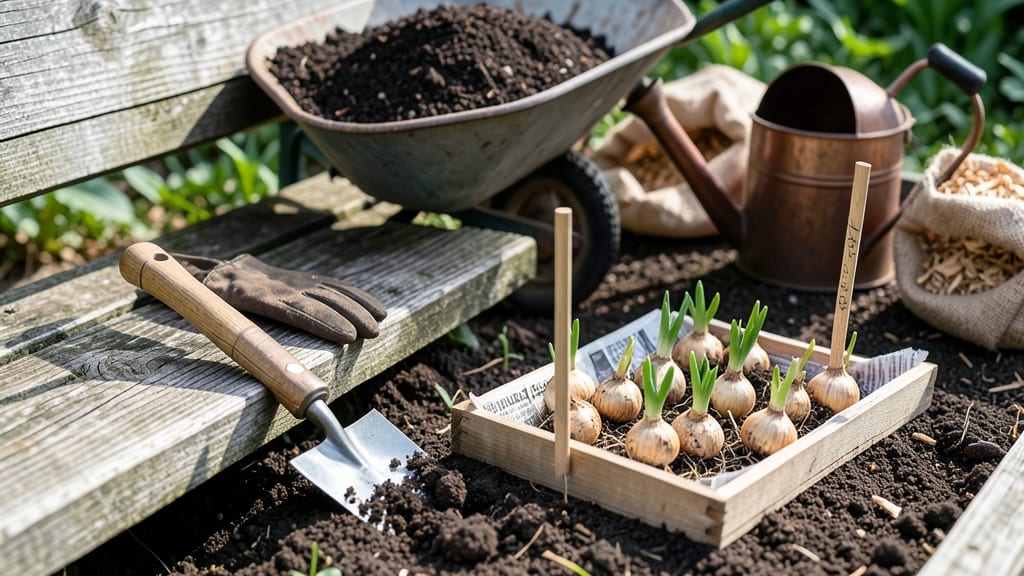
Timing your spring bulb planting just right makes all the difference between vibrant blooms and wasted effort. If you've ever wondered, "When can you plant bulbs in the spring?"—the answer depends on your USDA zone, local frost patterns, and even the type of bulb you're planting.
In Zone 6a (like much of the Midwest), the ideal window opens after your last frost date—typically in April or early May. But here's the catch: planting too early risks frost damage, while waiting too long may delay or even prevent flowering.
Let me break down the exact timing and tips to ensure your 🌱 Spring-Planted Bulbs thrive.
You'll discover how to adjust for your specific climate, which bulbs are most forgiving if you miss the window, and how to prepare your soil for maximum success.
Whether you're a first-time gardener or a seasoned pro, these insights will help you avoid common mistakes and get the most out of your spring planting.
Ready to transform your garden? Let's dive into the game-changer strategies that will have your bulbs blooming beautifully—no guesswork required.
Spring bulb planting calendar: exact months by USDA hardiness Zone
Planting spring bulbs like tulips, daffodils, and hyacinths at the right time means the difference between showstopping blooms and wasted effort. The golden rule? Plant 6-8 weeks before your last frost date—but that window shifts dramatically across USDA zones.
In Zone 3, you might plant as early as late August to September (yes, fall!), while Zone 9 gardeners wait until December to January for cooler soil.
Most gardeners focus on spring planting, but bulbs like tulips and daffodils need a cool dormant period. Planting too late in spring risks premature sprouting before frost, which can kill tender shoots. Conversely, planting too early in warm zones may trigger overly aggressive growth before winter dormancy kicks in.
Here’s the zone-by-zone breakdown for spring-flowering bulbs, including frost-free date calculations and regional tweaks. Use your local last frost date (find it via the National Oceanic and Atmospheric Administration or your local cooperative extension) as your anchor.
For example, in Zone 5 (like Chicago or Denver), aim for mid-October to November for fall planting or early April if you missed the fall window. In Zone 7 (Atlanta or Dallas), shift to November to December or late February to March for spring planting.
🌱
🌡️ USDA Zone | Spring Planting Window | Frost Risk | Soil Temp Goal
| Zone | Ideal Planting Month | Frost Risk | Soil Temp (°F) |
|---|---|---|---|
| 3-4 | Late August–October (fall) or Early April (spring) | High (late frosts) | 40–50°F |
| 5-6 | October–November (fall) or Early April–May (spring) | Moderate | 45–55°F |
| 7-8 | November–December (fall) or February–March (spring) | Low (mild winters) | 50–60°F |
| 9-10 | December–January (fall) or February (spring) | Minimal | 55–65°F |
⚠️ Pro Tip: Use a soil thermometer to confirm soil temps. Bulbs need consistent cool temps (below 60°F) to root properly.
Regional quirks matter too. In the Pacific Northwest, coastal areas (like Seattle) stay damp and cool longer, so you can plant tulips as late as early May without frost risk.
Meanwhile, inland Zone 7 areas (like Raleigh) may still see light frosts in March, so stick to February planting for safety.
For southern gardeners in Zones 8-10, spring planting is trickier. Bulbs like daffodils can handle February, but tulips may need coolth stratification—store them in the fridge for 8-12 weeks before planting. Skip hyacinths in hot climates; they prefer cooler winters.
If you’re in Zone 4 or colder, prioritize hardy varieties like daffodils (they tolerate -30°F) over tulips (which struggle below -20°F). Plant daffodils in October and tulips in November for best results.
🌷
One common mistake? Assuming "spring" means March. In Zone 5, March planting is too late—bulbs won’t root before late frosts. Instead, plant tulips in April (after frost) or daffodils in March (they’re more forgiving).
For container gardening, shift dates 2-4 weeks earlier since pots warm faster
How to adjust planting dates for your local climate (beyond the Zone)
Your USDA zone gives you a starting point, but local climate quirks can shift your spring bulb planting window by weeks. For example, a coastal zone 8 might experience frost in March, while an inland zone 8 stays frost-free until April. Understanding these microclimates ensures your bulbs thrive—not just survive.
Start by checking your local frost-free date, which can differ by 10-14 days from the USDA average. Use a soil thermometer ($10 at garden centers) to confirm when soil temps hit 50°F (10°C)—the ideal temperature for root growth. Cold soil delays sprouting and weakens bulbs.
Elevation also plays a role: every 1,000 feet higher means 3-5°F cooler temps. If you live in the mountains, plant 2-3 weeks later than your zone’s average. Conversely, urban heat islands (like city centers) can warm soil earlier, allowing March planting in zones where April is typical.
Coastal areas have unique challenges: marine layers can delay warming, while inland valleys may experience sudden frost dips. Observe your garden’s patterns—if daffodils sprout in March but get nipped by frost, you’re planting too early.
Adjust next year by waiting until after the last frost or use frost cloth for protection.
🚨 Warning Signs You Planted Too Early
- 🌱 Sprouts emerge but turn black after frost.
- 🌡️ Soil temp drops below 40°F (4°C) after planting.
- 💧 Leaves wilt despite consistent watering.
- ❄️ Frost warnings appear within 2 weeks of planting.
If you see these signs, mulch heavily with straw or cover with frost cloth at night.
For late spring planters (April-May), focus on frost-tolerant bulbs like daffodils or alliums, which handle cooler soils better than tulips. Amend your soil with compost to improve drainage—waterlogged bulbs rot quickly. Plant deeper (8 inches) in heavy clay to protect roots from temperature swings.
Pro tip: Mark your calendar based on your last 3 years of frost dates, not just averages. Over time, you’ll refine your timing to match your garden’s unique rhythm. Patience here pays off with stronger blooms and longer-lasting bulbs for years to come.