
Plants
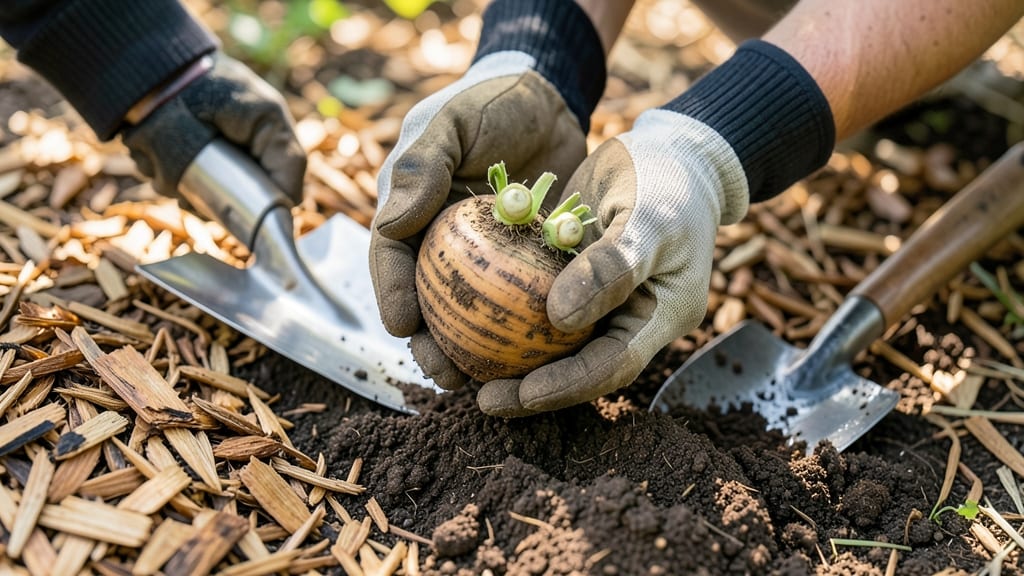
Planting dahlias in Zone 7 at the wrong time can turn your garden dreams into a sad, wilted mess before those stunning 🌸 blooms even appear. The difference between thriving dahlias and frost-damaged tubers often comes down to knowing exactly when to get them in the ground.
In Zone 7 (7a-7b), where last frost typically lingers around April 15, timing is everything. Planting too early risks chilly soil stunting growth, while waiting too long cuts your blooming season short. The sweet spot? Mid-April to mid-May, when soil temps hit 60°F consistently.
Whether you're starting with tubers or pre-sprouted plants, this guide breaks down the exact window to maximize your dahlias' potential. We'll cover soil prep, frost risk, and even how to adjust for your specific microclimate—so you can enjoy those showstopping blooms from July to October.
Skip the guesswork and learn the 3 key factors that separate successful Zone 7 dahlias from failed attempts. Ready to transform your garden?
Exact planting dates for dahlias in Zone 7 (with frost risk analysis)
In Zone 7, timing your dahlias perfectly means the difference between a garden full of vibrant blooms and sad, stunted plants. The ideal window is mid-April to mid-May, but your exact dates depend on your last frost date and soil temperature.
Most Zone 7 gardeners experience their average last frost around April 15, but this can vary by 5-10 days depending on elevation and microclimates.
For tubers, wait until the soil reaches 60°F (15°C)—this ensures roots grow actively without risking frost damage. If you plant too early, your dahlias may rot or fail to establish. Pre-sprouted tubers can handle slightly cooler soil (55°F/13°C), but still avoid planting before frost risk fades.
Here’s the critical rule: Never plant dahlias until all danger of frost has passed. Even a light frost can kill young shoots, and dahlias are not frost-tolerant. Use local weather data or a frost-free date calculator to pinpoint your exact window.
For gardeners in Zone 7a (colder end), aim for late April to early May. Those in Zone 7b (warmer) can start as early as mid-April, but monitor nighttime temperatures closely. A 3-day stretch of 50°F (10°C) or warmer signals it’s safe to plant.
🌱 Zone 7 Dahlias Planting Timeline
| Stage | Action | Soil Temp | Frost Risk |
|---|---|---|---|
| Prep Soil | Amend with compost; ensure drainage | 50°F+ (10°C+) | High (wait until after last frost) |
| Plant Tubers | 4-6" deep, 12-18" apart | 60°F+ (15°C+) | Low (0%) |
| Pre-Sprouted Tubers | Plant when sprouts are 2-3" | 55°F+ (13°C+) | Low (0%) |
| Post-Planting Care | Water deeply; mulch to retain moisture | 60°F+ (15°C+) | None |
Pro Tip: Use a soil thermometer to confirm temps before planting.
If you’re starting tubers indoors, begin 6-8 weeks before your last frost date. This gives them a head start, but harden off plants for 10-14 days before transplanting outdoors. Hardening off means gradually exposing them to outdoor conditions to avoid shock.
For container gardening, plant dahlias 2-3 weeks later than in-ground plants. Containers warm up more slowly, and roots can overheat if planted too early. Use black plastic mulch to warm soil faster and retain moisture.
Watch for false springs—those warm spells in early spring followed by frost. If nighttime temps dip below 40°F (4°C), protect your plants with frost blankets or move containers to a sheltered spot. Dahlias are tender perennials, so they won’t survive frost once established.
Once planted, dahlias need consistent moisture to establish roots. Water deeply 2-3 times per week until they’re fully rooted (about 4-6 weeks). After that, reduce to 1-2 times per week, ensuring the soil stays evenly moist but not soggy.
By following these Zone 7-specific dates and soil temperature guidelines, your dahlias will thrive and reward you with months of stunning blooms from summer through fall. The key is patience—wait for the perfect moment, and your garden will thank you.
Exact planting dates for dahlias in Zone 7 (with frost risk analysis)
Zone 7 gardeners have a 6-week window to plant dahlias—from mid-April to mid-May—but timing depends on whether you're using tubers or pre-sprouted plants.
The last average frost date in most of Zone 7 is around April 15, but microclimates (like valleys or urban heat islands) can shift this by 1-2 weeks. Always wait until soil temps hit 60°F (15°C) at 6 inches deep—this ensures roots won’t rot in cold soil.
For tubers, plant as soon as soil is workable (usually late April in Zone 7). Pre-sprouted tubers with 2-inch shoots can go in 2 weeks earlier (early April), but cover them with row fabric if frost threatens.
In Zone 7b (warmer microclimates), you might push tubers into the ground by mid-March under protection.
Zone 7 Dahlia Planting Timeline
| Stage | Action | Soil Temp | Frost Risk |
|---|---|---|---|
| Pre-Sprouted Tubers | Plant 2 weeks before last frost | 50–55°F (10–13°C) | High (use row cover) |
| Dormant Tubers | Plant after last frost | 60°F+ (15°C+) | Low |
| Late Planting (Risky) | After June 1 (smaller blooms) | 70°F+ (21°C+) | None (but shorter season) |
Pro Tip: Use a soil thermometer—dahlias hate cold feet! 🌡️
If you’re in Zone 7a (cooler end), err on the side of caution and wait until May 1 for tubers. In Zone 7b, you can plant tubers as early as April 1 under frost cloth.
Check your local Almanac’s frost calendar—some areas like Raleigh, NC average frost until April 20, while Atlanta, GA might be frost-free by March 25.
For container-grown dahlias, you can plant 2 weeks later than tubers since pots warm up faster. But avoid planting after June 15—late dahlias often produce smaller blooms and struggle with summer heat stress in Zone 7’s 90°F+ (32°C+) spells.
Always stake tall varieties (like ‘Gallery’ series) at planting to prevent wind rock.
After planting, mulch with 2–3 inches of straw to stabilize soil temps and retain moisture. This is critical in Zone 7’s dry summers—dahlias need 1–1.5 inches of water weekly, but mulch cuts evaporation by 50%. Skip mulch in fall to prevent rot before dormancy.
Remember: Dahlias are frost-sensitive—even a 28°F (-2°C) dip can kill new growth. Monitor your local National Weather Service alerts in May for late frosts. If frost is forecasted, cover plants with row fabric or blankets and remove them during the day for airflow.