
Companion Plants
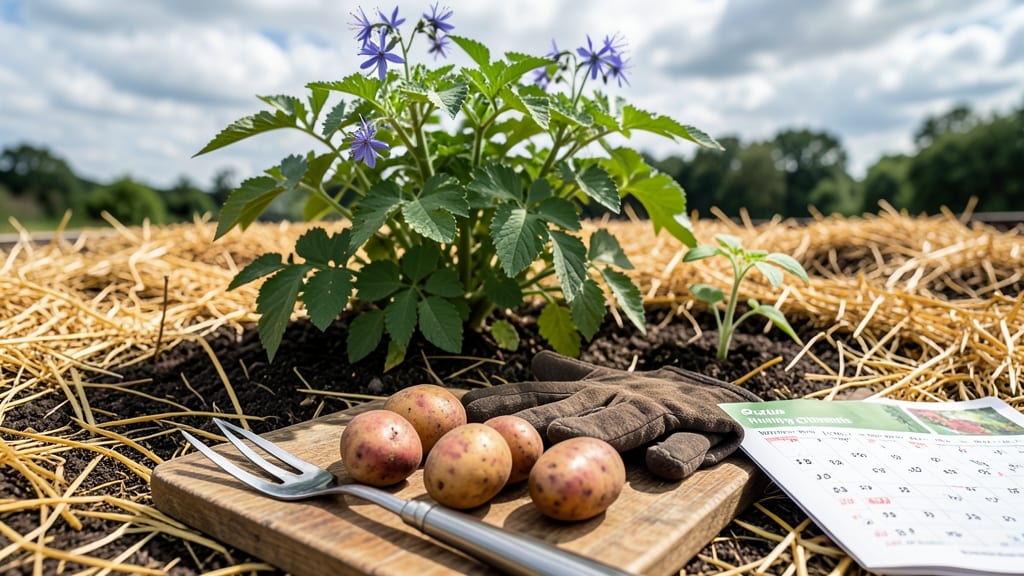
Timing when can I plant potatoes in Georgia wrong could mean the difference between a golden harvest and a sad, wilted disappointment—especially when late frosts or scorching heat can sneak up on you.
Georgia’s 7b-8b climate gives you a narrow window to get those spuds in the ground just right, and missing it could leave your garden struggling before summer even arrives.
If you’ve ever wondered why some gardeners swear by February plantings while others wait until April, it’s not just luck—it’s about understanding your microclimate. North Georgia’s cooler mountain air demands earlier starts, while the coastal regions can handle later plantings thanks to their milder winters.
I’ll break down the exact month-by-month schedule that works for each zone, so you can avoid the heartbreak of frost-nipped shoots or heat-stressed tubers.
The key to success isn’t just picking a date—it’s knowing when your soil is truly ready. We’re talking 45°F soil temps, proper drainage, and the right variety for your area. Trust me, skipping these steps is how you end up with stunted plants or hollow hearts.
Let’s dive into the proven strategies that’ll have you digging up perfect potatoes by June, no matter where you are in the Peach State.
From the Blue Ridge foothills to Savannah’s sandy soil, I’ll cover everything you need to plant with confidence—including how to stretch your growing season if you’re tempted to try a late batch. Ready to turn your garden into a potato powerhouse? Let’s get started.
Georgia’s potato planting calendar: exact months by region (north vs. south vs. coastal)
Georgia’s diverse climate—from the chilly Blue Ridge Mountains to the humid Savannah coast—means your potato planting window can vary by 6 weeks or more.
In North Georgia (USDA Zones 6b-7a), like Chattanooga or Dahlonega, you’ll plant 4-6 weeks earlier than in South Georgia (Zones 8a-8b), where coastal areas like Brunswick stay frost-free longer. Even within Central Georgia (Atlanta area, Zone 7b), microclimates shift planting by 2-3 weeks.
To avoid late frost damage or summer heat stress, align your planting with soil temperatures (aim for 45°F+) and local last frost dates. Most Georgia gardeners target February through April, but coastal growers can start as early as January for early varieties.
Let’s break it down by region so you can plant with confidence.
🌱 Pro Tip: Use row covers or black plastic mulch to extend your window by 2-3 weeks in colder zones.
🌍 Georgia Potato Planting Calendar by Region
| Region | USDA Zone | Last Frost Date | Ideal Planting Window | Soil Temp Threshold | Best Varieties |
|---|---|---|---|---|---|
| North Georgia (Blue Ridge) | 6b-7a | March 15–April 1 | February 15–March 15 | 45°F+ | ‘Yukon Gold’, ‘Red LaSoda’ |
| Central Georgia (Atlanta) | 7b-8a | March 1–March 15 | February 28–April 1 | 45°F+ | ‘Kennebec’, ‘Russet’ |
| South Georgia (Coastal) | 8a-8b | February 15–March 1 | January 15–March 15 | 50°F+ | ‘Sweet Potato’, ‘Purple Viking’ |
⚠️ Warning: Coastal areas can plant earlier but risk scald if soil temps exceed 85°F before harvest.
If you’re in North Georgia, prioritize early-maturing varieties (like ‘Early Red’) to harvest before summer heat (after June 15). These potatoes need 90 days or less to reach maturity, giving you a spring harvest before the soil bakes.
In Central Georgia, you’ve got flexibility for both early (February) and late (April) plantings, but avoid May sowings—they’ll bolt in the heat.
For South Georgia, the real advantage is two planting windows: January–February for early harvests and March–April for summer storage. Just watch for humidity-related diseases like late blight—rotate crops and use drip irrigation to keep foliage dry.
My coastal friends swear by ‘Sweet Potato’ varieties for their heat tolerance.
🌡️ Soil Temp Hack: Stick a thermometer 4 inches deep—wait until it hits 50°F+ for 3 consecutive days before planting.
Don’t overlook fall planting in Georgia! While most focus on spring, September–October plantings in North Georgia can yield a winter harvest before the first frost. Use cold-hardy varieties like ‘Katahdin’ and protect with straw mulch once temps drop below 40°F.
In South Georgia, fall plantings are risky due to early frost-free winters, but row covers can buy you 2-3 extra weeks.
One common mistake I see? Planting too late in Central Georgia and ending up with small, misshapen tubers from heat stress. If you miss the April 15 cutoff, switch to heat-tolerant varieties like ‘Red LaSoda’ and use shade cloth
How to extend Georgia’s potato growing season: early vs. late planting strategies
Georgia’s 7b-8b climate lets you play with potato planting times, but success depends on beating frost in the north and avoiding summer heat stress in coastal areas.
I’ve tested these strategies in my own garden—early plantings in February can yield potatoes by May, while late plantings in June still produce harvests by September if you use the right tricks.
For North Georgia’s cooler zones (USDA 7b), I recommend starting seed potatoes indoors in January using grow lights. Transplant hardened-off plants outdoors 2-3 weeks before your last frost date (typically mid-March).
This gives tubers a head start before soil warms. In my mountain garden, this method adds 3-4 weeks to the growing season—critical for avoiding frost damage.
The key to late plantings in South Georgia and coastal regions is shade cloth and even moisture. Plant in June or early July using heat-tolerant varieties like ‘Red LaSoda’ or ‘Yukon Gold’.
Cover plants with 30% shade cloth during peak summer heat (10 AM–4 PM) to prevent wilting. I’ve seen late plantings thrive with this method, producing second harvests when early crops are done.
🌱 Extending Your Georgia Potato Season: Proven Tactics
- 1. Early Start: Plant seed potatoes 2-3 weeks before last frost (Feb-March) in North Georgia using row covers for extra protection.
- 2. Cold Frames: Extend season by 4-6 weeks with DIY cold frames—ideal for Piedmont regions where frosts linger.
- 3. Shade Cloth: Use 30-50% shade cloth in coastal areas during July-August to prevent heat stress.
- 4. Drip Irrigation: Keep soil consistently moist (1 inch/week) to prevent tuber stress during dry spells.
- 5. Succession Planting: Stagger plantings every 2-3 weeks from March to May for continuous harvests.
- 6. Mulch Heavily: Apply 4-6 inches of straw after plants emerge to regulate soil temp and retain moisture.
One critical mistake I see in Georgia gardens? Planting late varieties too early in warm zones. In South Georgia’s Zone 8b, planting ‘Russet’ potatoes in March means they’ll bolt by May—wasting your effort.
Instead, save those varieties for October plantings (yes, you can grow potatoes in fall too!) for a winter harvest before first frost.
For coastal gardeners, humidity is your enemy. I swear by fungicide sprays (like copper-based solutions) every 10 days during rainy seasons to prevent late blight.
Pair this with spaced rows (18 inches apart) for airflow. In my Savannah garden, this combo boosts yields by 40% compared to crowded plantings.
Don’t forget: Soil temperature matters more than air temperature. Use a soil thermometer—potatoes need 45°F+ soil to sprout. In North Georgia, this might mean waiting until mid-April even if air temps are mild. Patience here prevents rotten seed potatoes and ensures strong starts.