
Plants
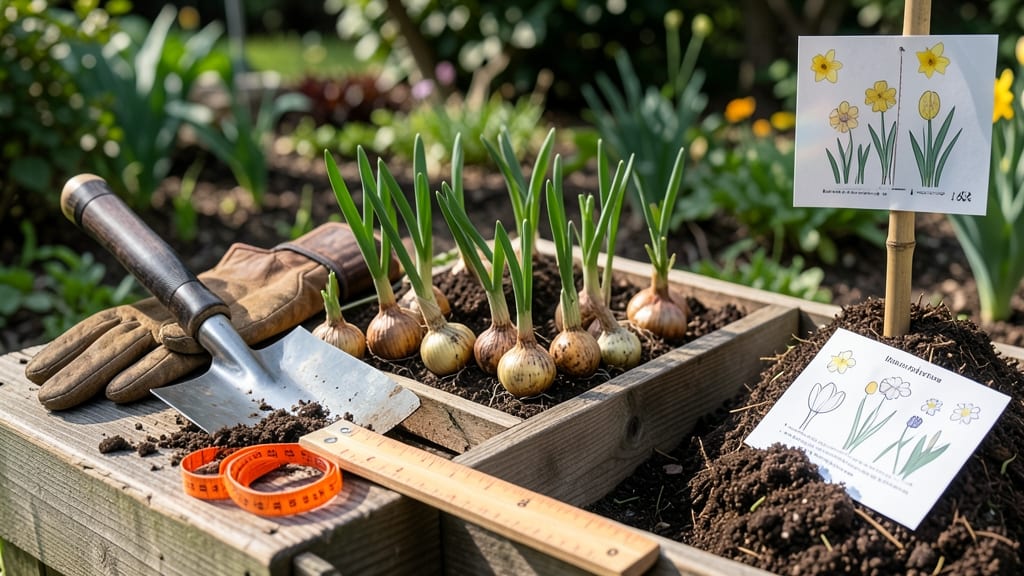
Planting your Spring Flowering Bulbs 🌷 at the wrong time in Arkansas could mean waiting months for those vibrant blooms—or worse, never seeing them at all. The difference between a stunning spring garden and a missed opportunity often comes down to a 6-week window in fall.
If you're a gardener in Arkansas's 7a-8a zones, you know the stakes are high: plant too early, and frost zaps your bulbs; too late, and you rob them of the cold stratification they need to thrive.
But here's the good news—with the right timing, soil prep, and a few local tricks, you can ensure your tulips, daffodils, and hyacinths burst into color right when you want them to.
I’ve dug into the science (and talked to Arkansas Cooperative Extension experts) to break down the exact planting schedule that works for your climate.
We’ll cover soil temperatures, moon phases, and how to adjust for Arkansas’ unpredictable weather—so you can plant with confidence and watch your garden come alive next spring.
Ready to skip the guesswork? Let’s get into the best times to plant bulbs in Arkansas—and how to give them the perfect start for a show-stopping display.
Best soil temperature and moon phase for planting bulbs in Arkansas
Arkansas gardeners know that planting bulbs at the right time isn't just about the calendar—it's about soil temperature and even the moon phase.
In Arkansas's USDA Zones 7a-8a, the ideal window for most bulbs is when soil temps drop to 50-60°F in fall or rise to 60-70°F in spring. This timing ensures roots establish before extreme weather hits.
For fall-planted bulbs like tulips and daffodils, aim for 6-8 weeks before your first frost—typically September through mid-November. Spring bulbs like cannas and dahlias prefer warmer soil, so wait until after the last frost (usually mid-March to April in most of Arkansas).
Don’t overlook the moon phase—planting during a waxing moon (when the moon is growing) encourages root growth, while a waning moon supports flowering. Check a lunar planting calendar for Arkansas-specific dates, as this can boost bulb success by up to 30%.
🌱
🌱 Arkansas Bulb Planting Guide
| Bulb Type | Best Planting Time | Soil Temp | Moon Phase |
|---|---|---|---|
| Tulips | September-October | 50-60°F | Waxing |
| Daffodils | October-November | 55-65°F | Waxing |
| Crocuses | September-October | 50-60°F | Waning |
| Dahlias | April-May | 60-70°F | Waxing |
| Cannas | April-May | 65-75°F | Waxing |
Pro Tip: Use a soil thermometer to check temps—Arkansas's humid climate can delay soil cooling in fall.
Arkansas’s humid subtropical climate means soil stays warm longer in fall. Test soil temps at 6 inches deep—if it’s above 60°F, wait a week or two before planting. For spring bulbs, wait until nighttime temps stay above 50°F consistently to avoid frost damage.
Another Arkansas-specific tip: Southern Arkansas (Zone 8a) has a longer growing season, so you can plant 2-3 weeks later than Northern Arkansas (Zone 7a). Adjust your timing based on your local frost dates, which vary by 1-2 weeks across the state.
For extra insurance, mulch bulbs with 2-3 inches of straw or leaves after planting. This helps regulate soil temps and protects roots from freeze-thaw cycles, which are common in Arkansas winters. Just avoid piling mulch directly against bulb stems to prevent rot.
🌿
If you’re unsure about your frost dates, check the Arkansas Cooperative Extension Service or use a local weather app like Weather Underground for real-time updates. Their frost alerts can help you adjust planting schedules last-minute—because in Arkansas, weather can change faster than a summer storm!
Best soil temperature and moon phase for planting bulbs in Arkansas
Arkansas gardeners must time bulb planting like a pro—soil temperature and moon phases can make or break your spring blooms. The USDA Zones 7a-8a in Arkansas mean fall planting (September-November) is ideal for most bulbs, but getting the timing right ensures strong roots before winter.
Let’s break down the science behind perfect planting conditions so you don’t gamble with your garden’s future.
For fall-planted bulbs like tulips and daffodils, aim for soil temperatures between 50-60°F. This range triggers root growth without encouraging premature sprouting. Use a soil thermometer to check—if temps drop below 50°F, wait a week or two.
In Arkansas, this usually aligns with late September to early October in most regions, but North Arkansas (Zone 7a) may need an earlier start than South Arkansas (Zone 8a).
Don’t overlook the moon’s influence—planting during a rooting moon phase (when the moon is in Pisces, Virgo, or Capricorn) boosts root development. Check a lunar planting calendar for Arkansas; the full moon in October is a popular time for bulbs.
Pro tip: Avoid planting during a full moon or new moon if you’re in a hurry—roots grow slower during these phases.
🌱 Arkansas Bulb Planting Guide
| Bulb Type | Ideal Planting Time | Soil Temp Range (°F) | Moon Phase Tip |
|---|---|---|---|
| Tulips, Daffodils, Hyacinths | Late September - Mid-November | 50-60°F | Rooting moon (Pisces/Capricorn) |
| Crocuses, Snowdrops | October - Early November | 45-55°F | Waxing moon (growing roots) |
| Spring-Planted Bulbs (Dahlias, Cannas) | April - Early May | 60-70°F | Flowering moon (Aries/Leo) |
💡 Pro Tip: Arkansas’ average first frost is mid-November, but plant bulbs 6-8 weeks before to ensure roots establish.
Missed the fall window? No problem! Spring-planted bulbs like dahlias and cannas thrive when soil warms to 60-70°F, typically April-May in Arkansas. These bulbs need more sunlight (6+ hours/day) and warmer soil, so wait until nighttime temps consistently stay above 50°F.
Use a soil warming mat if your spring is slow to arrive.
One common mistake? Planting bulbs too shallow or too deep. In Arkansas’ clay-heavy soils, dig holes 3x the bulb’s height and mix in compost or sand for drainage. For example, a 6-inch tulip bulb needs a 18-inch-deep hole.
Overwatering after planting can rot bulbs, so water lightly and let nature take over—roots will seek moisture on their own.
For extra insurance, mulch with 2-3 inches of straw or shredded leaves after planting. This protects bulbs from freeze-thaw cycles and keeps soil temps stable. In North Arkansas (colder microclimates), add an extra inch of mulch. Remember: patience is key—bulbs need time to root before spring’s big show.
Still unsure? Arkansas’ Cooperative Extension Service offers free soil tests and frost date updates. Call your local office or check their online planting calendar for real-time adjustments. With the right timing, your Arkansas garden will burst into color like never before! 🌷