
Plants
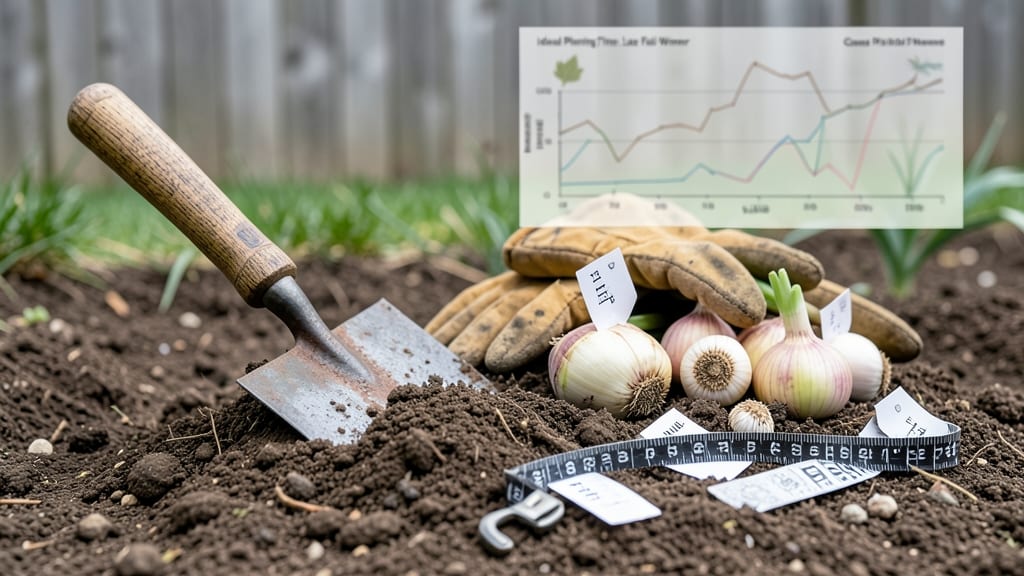
Timing your bulbs (general) 🌱 planting in Boston isn’t just about the calendar—it’s about beating the 6b zone’s early frosts and wet springs that can turn your garden dreams into soggy disappointment.
You’ve probably heard that fall is the magic window, but did you know Boston’s November 15th frost date means rushing bulbs in by early October? Or that spring-planted varieties need to go in by mid-April to avoid stunted growth?
I’ve spent years perfecting my own Boston garden, and the difference between vibrant spring blooms and weak, late flowers comes down to two things: soil temperature and variety selection. Too early, and your tulips might heave out of the ground like a jack-in-the-box.
Too late, and they’ll bolt before spring arrives. Let me show you the exact timeline—plus the top 5 cold-hardy bulbs that actually thrive here, from deer-resistant alliums to early daffodils that punch through Boston’s unpredictable thaw.
What you’ll discover here isn’t just a generic planting chart—it’s a frost-free survival guide tailored to Boston’s clay-heavy soil and short growing season.
We’ll cover when to plant spring vs. fall bulbs, how to prep your soil for drainage (critical after those heavy New England rains), and even when to mulch to protect your investments through winter. No more guessing games—just proven strategies that work in your backyard.
Ready to transform your garden into a year-round showstopper? Whether you’re a first-time planter or a seasoned gardener looking to up your game, this is your roadmap to bulbs that bloom earlier, bigger, and longer than ever before.
Let’s get those 🌱 bulbs in the ground the right way—before the next frost rolls in.
Boston’s ideal bulb planting timeline by month (Zone 6b guide)
Timing is everything when planting bulbs in Boston’s Zone 6b climate, where average frost dates range from November 15 to April 15. Plant too early, and you risk frost heave; too late, and roots won’t establish before winter.
My rule of thumb? Aim for 6-8 weeks before the ground freezes—typically mid-October to early November for fall planting. For spring bulbs, wait until March or early April, once soil temperatures rise above 40°F.
Boston’s clay-heavy soil and wet springs add complexity, so I always amend planting beds with compost or sand to improve drainage. If you’re unsure about your soil’s readiness, use a soil thermometer—bulbs need 50-60°F soil to root properly.
Pro tip: Early October is your best window for tulips and daffodils, while late September works for crocus and alliums, which bloom earlier and tolerate cooler soils.
Here’s my month-by-month breakdown for planting bulbs in Boston, accounting for frost dates, bloom cycles, and local microclimates. Whether you’re a first-timer or a seasoned gardener, this timeline ensures your bulbs thrive—and reward you with vibrant spring color.
🌱 Boston Bulb Planting Timeline by Month
| Month | Action | Bulb Types | Notes |
|---|---|---|---|
| September | Prepare soil | All bulbs | Amend with compost; plant crocus and snowdrops early. |
| October | Plant fall bulbs | Tulips, daffodils, hyacinths | Aim for mid-October; mulch after planting. |
| November | Final planting | Alliums, fritillaries | Stop by November 15 to avoid frost. |
| March | Early spring prep | Spring bulbs | Wait until soil reaches 40°F. |
| April | Plant late bloomers | Dahlias, cannas | After last frost (April 15). |
For spring-blooming bulbs like tulips and daffodils, October is your golden window. These bulbs need 6-8 weeks of root growth before winter, so don’t wait until November—soil cools quickly in Boston, and roots won’t establish in time.
I’ve found that mid-October planting yields the strongest blooms the following spring, with taller stems and more vibrant colors.
If you’re planting summer-blooming bulbs like dahlias or cannas, wait until after the last frost, typically mid-April in Boston. These bulbs are tender and won’t tolerate frost, so hold off until soil temperatures are consistently above 50°F.
For containers, I often plant these in late April or early May to extend the season.
Boston’s microclimates can vary drastically—even within a few blocks. If you’re in a warmer urban pocket (like the South End), you might push planting to early November. Conversely, cooler areas (like the North Shore) may need bulbs in the ground by late October.
Always check your local frost dates and adjust accordingly. For extra peace of mind, I use a frost calendar from the National Weather Service or my local cooperative extension office.
One of my biggest tips for Boston gardeners? Mulch heavily after planting to insulate bulbs from temperature swings and prevent frost heave. Use 3-4 inches of straw or shredded leaves—just avoid piling mulch directly against bulb stems.
This simple step has doubled my bulb survival rate in winter. Pair mulching with a light layer of compost at planting time to give roots a nutrient boost.
Don’t forget about container gardening if space is limited. Many bulbs thrive in pots, including tulips, daffodils, and hyacinths. Use a well-draining mix with perlite or sand, and plant containers in a protected spot (like a garage
Boston’s ideal bulb planting timeline by month (Zone 6b guide)
Timing is everything when planting bulbs in Boston’s Zone 6b climate. The key is planting 6-8 weeks before the first frost—typically between mid-October and early November for fall-planted varieties.
Spring planting (March-April) works for tender bulbs like dahlias, but most hardy bulbs need that fall window to establish roots before winter. Boston’s clay-heavy soil and unpredictable frosts demand precision.
For spring-blooming bulbs (tulips, daffodils, crocuses), aim to plant by November 15—this gives roots time to anchor before the ground freezes. Summer-blooming bulbs (like alliums or lilies) can wait until early April, but they’ll bloom later in the season.
Always check soil temps: bulbs need 60°F or cooler to trigger dormancy.
| Month | Action | Bulb Types | Soil Temp |
|---|---|---|---|
| September | Prepare soil | All | 65-75°F |
| October | Plant spring bloomers | Tulips, Daffodils, Crocus | 50-60°F |
| November | Final planting deadline | Hyacinth, Allium | 40-50°F |
| March | Plant tender bulbs | Dahlias, Cannas | 55-65°F |
| April | Mulch established bulbs | All | 45-55°F |
Boston’s early frosts (often by November 15) mean you must act fast. Tulips and daffodils planted after mid-November may not bloom well due to weak root development. For container gardening, use well-draining mixes and plant bulbs deeper (6" for large bulbs) to prevent frost heave.
Always water thoroughly after planting to encourage root growth before winter sets in.
If you miss the fall window, don’t despair—March is your second chance for spring-planted bulbs like crocus or snowdrops. These hardy varieties tolerate light frosts and can even bloom through snow.
For summer-blooming bulbs, wait until soil warms to 55°F+ (usually late April) to avoid rot. Test your soil’s drainage: Boston’s clay retains moisture, so amend with compost or sand if needed.
Pro tip: Mark your calendar for Boston’s average last frost date (April 15). This helps time spring bulbs for peak bloom. For example, daffodils planted in October often bloom by early April, while tulips need that November window to compete with weeds.
Mulch with 3-4 inches of straw after planting to insulate roots during winter fluctuations.
Local nurseries like Wayland’s Greenhouse or New England Wild Flower Society stock Zone 6b-tested bulbs—ask for varieties like ‘Ice Follies’ daffodils (deer-resistant) or ‘Globemaster’ alliums (drought-tolerant). These thrive in Boston’s climate and reward patience with stunning displays. Timing isn’t just about months—it’s about soil, weather, and variety.