
Plants
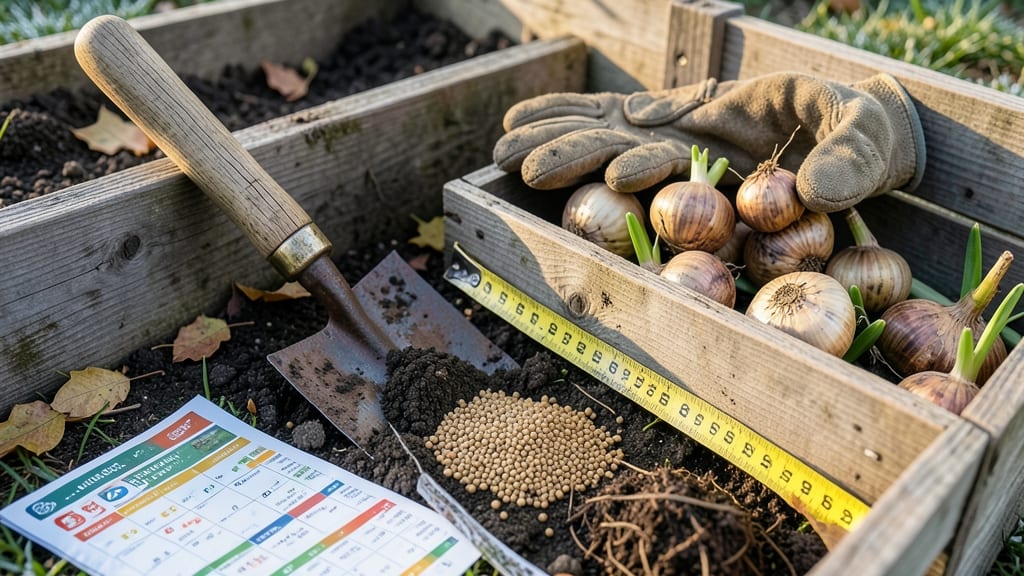
Planting your spring-blooming bulbs 🌷 at the wrong time in New England can mean the difference between a show-stopping garden and a sad, half-bloomed disappointment. The key isn’t just waiting for fall—it’s understanding your specific hardiness zone and when the ground actually cools enough for roots to establish.
Whether you're in Zone 5a or 6b, getting the timing right means planting 4-6 weeks before the ground freezes—typically between late October and early November. But here’s the catch: coastal areas freeze earlier than inland spots, and soil temperature matters more than the calendar.
I’ve spent years perfecting my own bulb-planting schedule, and what I’ve learned will help you avoid common mistakes like planting too deep or too late. Let me walk you through the exact deadlines, soil prep tips, and even how to adjust for New England’s tricky microclimates.
By the end, you’ll know exactly when to dig in—so you can enjoy those first tulips and daffodils popping up right on schedule next spring. Ready to transform your garden?
New England bulb planting deadlines by hardiness Zone (zones 3-6)
New England spans USDA Hardiness Zones 3-6, and your last frost date determines when to plant bulbs for spring blooms.
In Zone 3 (Maine, northern NH/VT), aim for October 1-15—soil should be 40-50°F and frost-free for 4-6 weeks. Zone 4-5 (central MA, VT, NH) extends the window to October 15-November 1, while Zone 6 (southern CT, RI) allows planting until early December.
Most spring-blooming bulbs—like tulips, daffodils, and hyacinths—need 4-6 weeks of root growth before winter. Planting too early (before September) risks rot, while late planting (after November) stunts growth. Soil temperature probes (or a moisture meter) help gauge readiness.
| Zone | Ideal Planting Window | Soil Temp Threshold | Key Bulbs | Frost Risk |
|---|---|---|---|---|
| 3 (Maine, NH/VT north) | October 1-15 | 40-50°F | Daffodils, Crocuses | High (first frost: late Sept) |
| 4-5 (MA, VT, NH central) | October 15-Nov 1 | 45-55°F | Tulips, Hyacinths | Moderate (first frost: Oct 15) |
| 6 (CT, RI, southern MA) | November 1-15 | 50-60°F | Alliums, Fritillaries | Low (first frost: Nov 1) |
🌱 Pro Tip: Use a soil thermometer to confirm readiness—bulbs need 4-6 weeks to root before frost.
For coastal areas (e.g., Portland, ME), frost arrives 2-3 weeks earlier than inland zones. Check your local Almanac frost dates—they’re more accurate than general zone maps. High-elevation gardens (e.g., White Mountains, NH) may need to plant 3-4 weeks earlier due to colder microclimates.
If you miss the fall window, spring planting is possible for hardy bulbs like daffodils (plant in March-April), but blooms may be smaller or delayed. Tulips and hyacinths rarely recover if planted in spring. Test soil drainage first—waterlogged soil kills bulbs faster than frost.
Mulch with 2-3 inches of straw or leaves after planting to insulate bulbs. In Zone 3, add an extra layer if winters are harsh or snowy. Urban gardens (e.g., Boston, Providence) often have warmer microclimates, so adjust planting 1-2 weeks later than rural areas.
Use bulb-specific fertilizers (low in nitrogen) at planting to encourage root growth. Avoid high-nitrogen lawn fertilizers, which promote foliage over blooms. Bone meal (3-4-0) is ideal for tulips and daffodils, while superphosphate (0-20-0) works for hyacinths.
Mark your planting spots with bamboo stakes or flags—New England’s snow cover can obscure bulbs until spring. Spring-blooming bulbs need 6-8 weeks of chill hours (below 40°F) to flower. If winters are mild (Zone 6), consider pre-chilling bulbs in the fridge for 8-12 weeks before planting.
For container gardening, use well-draining pots with sand or perlite mixed into soil. Plant bulbs shallower than in-ground (e.g., 4 inches deep for tulips) to compensate for limited root space. Move containers to a garage or cold frame in winter to protect from freeze-thaw cycles.
How to adjust planting timing for New England’s microclimates
New England’s varied landscapes—from coastal Maine to the Berkshires—create microclimates that shift planting windows by 2-4 weeks. A garden in Portland, Maine (Zone 5a) may freeze earlier than one in Hartford, CT (Zone 6b), even if they’re just 200 miles apart. Understanding these nuances helps you avoid frost damage and maximize bloom potential. Urban areas like Boston or Providence often experience heat islands that delay frost, giving you an extra 1-2 weeks to plant. Meanwhile, high-elevation spots in Vermont’s Green Mountains or New Hampshire’s White Mountains can freeze 3 weeks earlier than valley gardens. Coastal regions, like Cape Cod or the Maine coast, also face earlier frosts due to ocean breezes.Soil temperature is your best guide—not the calendar. Aim to plant when soil reaches 40-50°F (about 4-6 weeks before hard frost). Use a soil thermometer to check: dig 6 inches deep where you’ll plant.
If your soil is still warm or soggy, wait—rotten bulbs are a common mistake in damp fall conditions.
Mulching is a game-changer for extending planting windows. Apply 2-3 inches of straw or shredded leaves after planting to insulate bulbs and prevent freeze-thaw cycles that can damage emerging roots.
In Zone 5a, mulch by mid-October; in Zone 6b, wait until early November. Avoid thick layers (over 4 inches), or you’ll smother bulbs.
Frost blankets can push your planting window 2-3 weeks later in marginal zones. Lay a lightweight frost cloth over newly planted beds after the first 24°F night.
Secure edges with bricks or rocks to prevent wind damage. Remove blankets in early spring once soil thaws to avoid overheating and fungal growth.
Coastal gardens often need earlier planting due to salty air and faster soil cooling. If you’re near the ocean, start 4-5 weeks before inland areas.
For example, Bar Harbor, ME (Zone 5a) may need bulbs in the ground by mid-September, while Burlington, VT (Zone 4b), can wait until late October.
High-elevation gardens (over 2,000 feet) face shorter growing seasons and colder soils. Plant 3-4 weeks earlier than valley gardens. For instance, Mount Washington, NH, might need bulbs in by early September, while Concord, NH (Zone 5b), can wait until October.
Test soil weekly in these areas—frost can arrive suddenly.
Urban heat islands (like Downtown Boston or Hartford) can delay frost by 10-14 days. Use this to your advantage: plant daffodils or crocuses 1-2 weeks later than rural areas.
However, avoid planting tulips too late—they’re more frost-sensitive once roots establish. Monitor local weather forecasts for first-frost dates and adjust accordingly.
Pro Tip: If you’re unsure about your microclimate, plant a test bulb (like crocuses, which are hardy and fast-growing) in early September. If it thrives, you can safely plant tulips and daffodils a few weeks later. If it fails, shift your timeline 2 weeks earlier next year.
🌱 Microclimate Adjustments for New England Bulbs
- 🏙️ Urban Areas: Plant 1-2 weeks later due to heat retention (e.g., Boston, Providence).
- 🌊 Coastal Regions: Plant 4-5 weeks earlier (e.g., Portland, ME) to avoid salty air delays.
- 🏔️ High Elevation: Plant 3-4 weeks earlier (e.g., Green Mountains, White Mountains).
- 🌾 Rural Valleys: Follow standard zone deadlines (e.g., Zone 5a: Oct 15-Nov 1).
- 🌡️ Soil Temp Rule: 40-50°F at 6" depth = ideal planting time.
- 🛡️ Frost Blankets: Extend window by 2-3 weeks in Zone 5a.
- 🌿 Mulching: 2-3 inches of straw/leaves to insulate roots.