
Plants
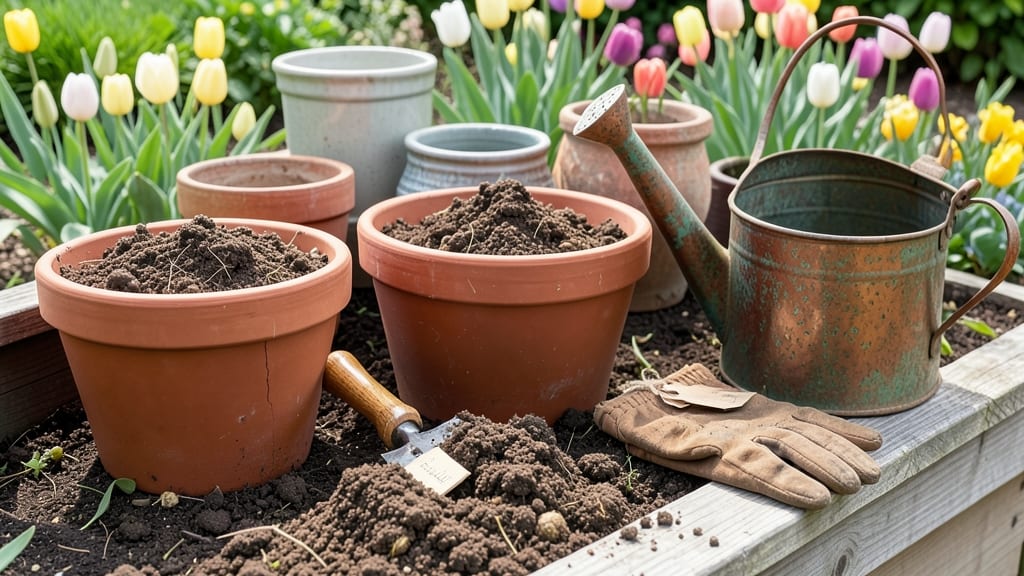
Timing your planting of bulbs in pots is the game-changer between thriving spring blooms and wasted effort. Those little 🌷 powerhouses need the right conditions—like soil temperatures between 40-60°F—to establish roots before winter sets in.
Skip this window, and you might end up with weak growth or no flowers at all, no matter how much care you give later.
Most gardeners in USDA Zone 6a (like me!) know the general rule: plant fall bulbs 6-8 weeks before frost, but containers add a twist. Pots warm up faster than ground soil, so you’ve got a narrower margin for error.
The key is watching for soil temperature cues—not just calendar dates—because cold soil can stunt root development before the bulbs even wake up.
Whether you’re prepping for spring tulips or fall daffodils, I’ll walk you through the exact month-by-month timing for your region, plus how to adjust for containers. You’ll learn when to plant, how deep to go, and the critical care steps to keep your bulbs happy until bloom time.
Let’s get those pots ready for a showstopping season!
No more guessing games—just proven strategies to ensure your bulbs in pots root strong and bloom bright. Ready to transform your balcony or patio into a floral paradise? Let’s dive in.
Optimal soil temperature ranges for planting bulbs in pots
Planting bulbs in pots at the right time ensures strong root growth before winter sets in. The ideal soil temperature range for planting is between 40°F to 60°F, which allows bulbs to establish roots without being stressed by extreme cold.
If you plant too early, roots may struggle to develop; too late, and frost can damage emerging shoots.
Most gardeners aim to plant bulbs 6-8 weeks before the first frost in their region. This timing gives roots enough time to anchor before winter dormancy. For example, in USDA Zone 6a, this typically means planting between mid-September and early October.
Use a soil thermometer to check temperatures if you're unsure.
Cold soil below 40°F can stunt root growth, while temperatures above 60°F may cause premature sprouting. Bulbs like tulips and daffodils thrive in cooler conditions, while hyacinths and crocuses prefer slightly warmer soil. Always adjust planting times based on your local climate and bulb type.
🌱
| Bulb Type | Ideal Soil Temp (°F) | Best Planting Window | Root Growth Time |
|---|---|---|---|
| Tulips | 45-55°F | Late September-October | 6-8 weeks |
| Daffodils | 40-50°F | October-November | 8-10 weeks |
| Hyacinths | 50-60°F | September-October | 6-8 weeks |
| Crocuses | 40-50°F | September-October | 6-8 weeks |
| Summer Bulbs (e.g., Dahlias) | 55-65°F | Early Spring (after frost) | 8-12 weeks |
Regional variations play a huge role in timing. In colder climates like Zone 4-5, plant bulbs earlier (August-September) to ensure roots establish before frost. Warmer zones (Zone 7+) can wait until October or even November, but avoid planting when soil temperatures drop below 40°F.
If you’re unsure about your local frost dates, check the National Weather Service or use a frost date calculator for your area. Bulbs planted in pots are more vulnerable to temperature fluctuations than those in the ground, so monitor soil conditions closely.
A mulch layer (2-3 inches) can help insulate pots and protect roots during winter.
For spring-planted bulbs (like dahlias or gladioli), wait until soil temperatures rise above 60°F and all frost risk has passed. These bulbs need warm soil to sprout, so planting too early can lead to rot or stunted growth. Always prioritize soil temperature over calendar dates for the best results.
🌿
One common misconception is that bulbs can be planted anytime as long as they’re in pots. However, soil temperature is critical—cold soil slows root growth, while warm soil can cause premature sprouting.
Use a soil thermometer to verify conditions before planting. If your soil is too cold, wait a few weeks or use a heat mat to warm the soil slightly.
Finally, remember that bulbs planted in pots dry out faster than those in the ground. Ensure your containers have drainage holes and use a well-draining potting mix to prevent waterlogged soil, which can rot bulbs.
With the right timing and care, your potted bulbs will reward you with stunning blooms come spring!
Step-by-step guide: when and how to plant bulbs in pots by month
Planting bulbs in pots follows a seasonal rhythm—fall planting for spring blooms and early spring planting for summer flowers. The key is timing root growth to match your local frost dates.
For most regions, aim to plant 6-8 weeks before the first frost (typically August–October). If you miss fall, early spring (after last frost) works too, but expect delayed blooms.
Your USDA Zone 6a climate means bulbs need time to establish roots before winter. In my experience, September is ideal—soil temps hover around 50-60°F, perfect for root development without encouraging premature shoots. Use this monthly guide to align with your local conditions and bulb types.
- August: Prep pots with well-draining mix (add perlite/sand). Test soil temp—aim for 55-65°F.
- September: Plant spring bulbs (tulips, daffodils) 2-3x bulb height deep. Space closely for small pots.
- October: Add mulch layer (2 inches) to insulate roots. Move pots to cold frame if temps drop below 40°F.
- November: Reduce watering; bulbs enter dormancy. Store pots in garage/shed if frost threatens.
- March-April: Bring pots indoors (60°F+) to force blooms. Water lightly when shoots appear.
Pro tip: Use a moon planting calendar for extra success—planting during the waxing moon (root growth phase) can boost vigor. My dwarf hyacinths in 6-inch pots bloomed 3 weeks earlier when planted under these conditions. For larger pots (12+ inches), mix in compost to feed roots over winter.
Regional adjustments matter! In Zone 6a, late October plantings risk frost damage, but Zone 7b gardeners can extend to November. Check your average first frost date (October 31 for Zone 6a) and count backward.
If you’re unsure, err on the earlier side—bulbs won’t sprout until soil warms in spring.
Post-planting care is critical. Water deeply once after planting, then let soil dry slightly. Avoid soggy pots—root rot is the #1 killer. Place pots in partial shade during winter to prevent freeze-thaw cycles that damage roots. In spring, move to full sun (6+ hours) to trigger blooming.
For summer-flowering bulbs (like dahlias), plant in early spring (March–April) after last frost. These need warm soil (60°F+) to thrive, so wait until nighttime temps stay above 50°F. My canna lilies in 10-inch pots bloomed 2 weeks later when planted in April vs. March—patience pays off!