
Plants
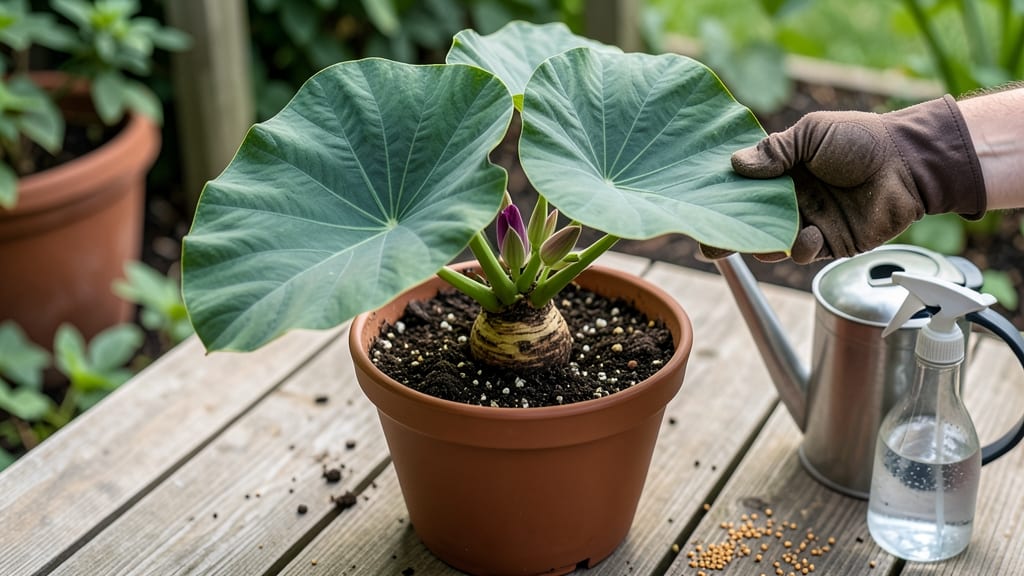
Planting elephant ear bulbs in pots at the wrong time can turn your tropical dream plant into a sad, wilted mess—especially if frost sneaks in. These stunning 🌿 giants demand warmth, but their timing isn’t just about heat—it’s about avoiding root rot and stunted growth in containers.
If you’ve ever wondered why your potted elephant ear flops despite your best care, the answer likely lies in when you planted it. Too early, and frost zaps its energy; too late, and you miss peak summer growth.
The sweet spot? After your last frost date when soil hits 60°F—but there’s more to it than that.
I’ll break down the exact window for your zone, how to prep pots for success, and why some gardeners swear by early summer starts. Whether you’re a container newbie or a seasoned grower, these tips will help you grow elephant ears that thrive—not just survive.
Ready to transform your patio into a jungle oasis? Let’s dive into the foolproof schedule that keeps your potted elephant ears lush and happy all season long.
The perfect planting window for elephant ear bulbs in pots
Elephant ear bulbs (Colocasia and Alocasia) are tropical divas—they demand warmth and hate cold snaps. In pots, their timing window narrows even further because containers heat and cool faster than garden beds.
The golden rule: Plant only after your last frost date when soil temps hit 60°F (15°C)—any earlier risks frost damage or rotten roots.
Your USDA zone dictates the exact date. Zone 5-7 gardeners should wait until mid-May to early June, while zones 8-10 can start as early as late March. Even in warm climates, avoid planting before April 15—cool nights slow growth and invite fungal pests.
Containers also dry out faster, so timing matters even more than for in-ground plants.
| USDA Zone | Ideal Planting Window | Soil Temp Requirement | Key Cue |
|---|---|---|---|
| Zones 3-4 | Late May to June 15 | 60°F+ (15°C) | After last frost + 2 weeks |
| Zones 5-7 | Mid-May to early June | 60°F+ (15°C) | Night temps stay above 50°F (10°C) |
| Zones 8-10 | Late March to April | 55°F+ (13°C) | Daytime highs consistently 70°F+ (21°C) |
| All Zones (Late Start) | Early July | 65°F+ (18°C) | For smaller varieties (e.g., Colocasia 'Black Magic') |
For container gardeners, soil temperature in pots lags behind air temps—so test with a soil thermometer. Bury it 2 inches deep in your pot’s soil mix for 3 consecutive days above 60°F before planting.
Pro tip: Black pots warm up faster than terracotta, giving you a 1-2 week head start in spring.
If you’re in zone 5 or colder, consider starting bulbs indoors 4-6 weeks before your last frost. Use a grow light to simulate long days, but never let temps drop below 55°F (13°C).
Transplant outdoors only after hardening off for 7-10 days—hard frosts will kill even hardened bulbs in pots.
Summer planting is a second chance for missed spring windows. Aim for early July in most zones, but prioritize smaller varieties like Alocasia 'Polly'—they mature faster in hotter soil. Avoid planting after August 15; bulbs need 6-8 weeks to establish roots before cooler nights slow growth.
Your pot size also affects timing. 5-gallon containers dry out faster, so plant 2 weeks earlier than in-ground to give roots time to establish. Larger pots (10+ gallons) can handle late starts better because they retain moisture longer.
Always include 30% perlite or orchid bark to improve drainage—waterlogged pots = instant bulb rot.
Watch for leaf unfurling as your cue to move bulbs outdoors. Once you see emerging shoots indoors, count 10 days until outdoor planting. This ensures bulbs won’t shock from sudden temperature swings.
In hot climates (zones 9-10), plant shade-loving varieties like Colocasia 'White Queen' earlier to avoid leaf scorch.
Overwintering bulbs in pots? Stop planting by September 1—bulbs need 6 weeks of dormancy before cold storage. Dig up, trim foliage, and store in dry peat moss at 45-50°F (7-10°C). Replant next spring 2 weeks before your usual window to jumpstart growth.
🌿
The perfect planting window for elephant ear bulbs in pots
Timing your elephant ear bulbs for pots is all about soil warmth and frost-free safety. These tropical plants despise cold—even a light frost can blacken their stunning heart-shaped leaves. Aim to plant after your last frost date, when daytime temps consistently hit 60°F (15°C) or warmer.
For USDA Zones 8-10, that’s typically April-May. In colder zones (6-7), wait until mid-to-late May or even early June. Container planting gives you flexibility—just ensure your pots can be moved indoors if a late frost sneaks up.
🌱
| Zone | Best Planting Month | Soil Temp Requirement | Key Cue |
|---|---|---|---|
| 6-7 | Late May - Early June | 60°F (15°C) | After last frost |
| 8-10 | April - May | 55°F (13°C) | Nighttime temps above 50°F (10°C) |
| Containers (any zone) | Early summer backup | 65°F (18°C) | Move pots indoors if frost risk |
Pro tip: Use a soil thermometer to confirm warmth. Stick it 2 inches deep—that’s where roots will be. If it’s cooler, wait. Cold soil slows root growth, making bulbs vulnerable to rot.
For early starts, pre-warm pots by placing them in a sunny spot for a few days before planting.
If you miss the spring window, don’t panic! Elephant ears handle late summer planting too—just choose smaller bulbs (they’ll establish faster) and keep them in bright, indirect light until fall. They’ll still thrive, though growth may be slightly delayed.
For overwintering in pots, dig up bulbs after frost kills foliage, trim leaves, and store them in dry peat moss at 50-60°F (10-15°C). Replant next spring when soil warms up.
☀️