
Plants
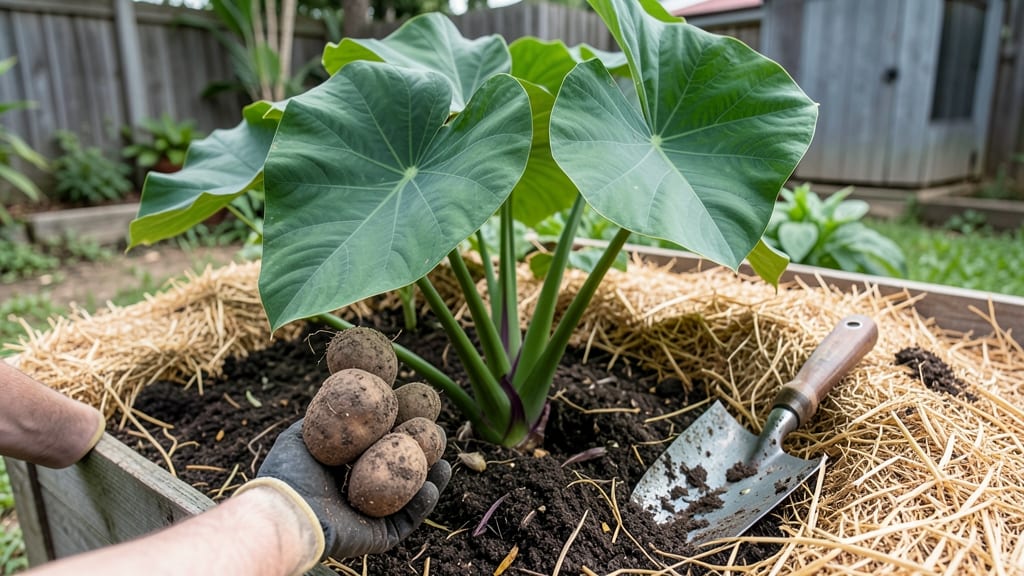
Planting elephant ear bulbs in Georgia at the wrong time can mean the difference between dramatic, tropical-looking foliage and sad, struggling leaves. Since Georgia’s 7b-8b zones offer a long growing season, timing matters—but most gardeners still miss the sweet spot.
You’ve likely heard that spring is the best time, but here’s the catch: March to April is ideal, but only after the last frost—usually around March 15—when soil warms enough to support those big, hungry tubers.
Plant too early, and frost will kill them; too late, and you’ll miss out on months of lush, 5-foot-tall 🌿 drama.
What if you’re in coastal Georgia vs. the Piedmont? Microclimates shift planting windows by weeks. I’ll break down the exact frost-free timeline for your zone, plus how to prep soil, choose the right varieties, and avoid Georgia’s sneaky pests that love munching on elephant ear leaves.
Ready to transform your garden into a jungle-like oasis? Let’s dive into the perfect planting schedule—and how to keep your elephant ears thriving all season long.
Optimal planting dates for elephant ear bulbs in Georgia’s zones 7b-8a
Georgia’s USDA Zones 7b-8a offer a perfect climate for growing elephant ear plants (Colocasia and Alocasia varieties), but timing is everything. Planting too early risks frost damage, while waiting too long can stunt growth before summer’s heat.
The ideal window is after your last average frost date, which typically falls between mid-March and early April across most of the state.
For northern Georgia (Zone 7b), aim to plant between March 20 and April 15—this gives your tubers time to establish roots before summer’s intense heat.
In southern Georgia (Zone 8a), you can start as early as February 15 in coastal areas, but wait until March 15 inland to avoid unpredictable cold snaps.
Here’s why timing matters: Elephant ears need warm soil (60°F+) to sprout. Planting too soon in cool soil delays growth, leaving your plants vulnerable to spring frosts or fungal diseases. Conversely, planting after May 1 may result in smaller foliage before summer’s end.
🌱 Pro Tip: Use a soil thermometer to confirm soil temps are consistently above 60°F before planting—this is your green light to start!
| Zone | Last Frost Date | Ideal Planting Window | Soil Temp Requirement | Notes |
|---|---|---|---|---|
| Zone 7b (North GA) | March 15–April 1 | March 20–April 15 | 60°F+ | Wait for soil warmth; mulch after planting. |
| Zone 8a (South GA) | February 15–March 1 | February 15–April 1 | 55°F+ (coastal) | Early planting works in warm microclimates. |
| Coastal GA (Zone 8a) | January 15–February 1 | February 1–March 15 | 58°F+ | Plant early; protect from late frosts. |
If you’re unsure about your last frost date, check the Georgia Climate Project or local Cooperative Extension Service for your county’s data. For example, Athens (Zone 7b) averages its last frost on March 22, while Savannah (Zone 8a) sees frost-free conditions by February 10.
For container gardening, you can plant elephant ears 2–4 weeks earlier than ground planting since pots warm up faster. Place containers in a sunny, sheltered spot and use black plastic pots to absorb heat and accelerate root growth.
Once planted, monitor your elephant ears for yellowing leaves—a sign of stress from either too-cold soil or overwatering. Mulch with 3–4 inches of organic mulch (like pine straw) to maintain even soil temperatures and retain moisture.
🌿 Remember: Elephant ears are not frost-tolerant at any growth stage. If an unexpected frost threatens after planting, cover young plants with frost cloth or move containers indoors temporarily.
By following these zone-specific guidelines, your elephant ears will burst into bold foliage just in time for Georgia’s hot, humid summers, where they’ll shine as a dramatic focal point in gardens and containers alike.
How to extend your elephant ear season: tips for earlier or later planting
Georgia’s elephant ear bulbs love warmth, but our variable spring frosts can delay planting. Don’t let late frosts or early heat stress ruin your plans—there are smart ways to extend your planting window safely.
Whether you’re eager to start earlier or need to delay due to cool weather, these proven strategies will help you grow lush foliage without risking damage.
For earlier planting, use cold frames or row covers to protect tender tubers from late frosts. These simple tools create a microclimate that warms soil faster, letting you plant 2-3 weeks before the official last frost date.
Just remove covers once nighttime temps stay above 50°F consistently to avoid overheating.
If you’re planting later in the season, focus on soil moisture and shade cloth. Elephant ears need warm soil (60°F+) to sprout, so water deeply before planting to raise soil temps.
A light shade cloth (30%) can also protect young leaves from intense afternoon sun while they establish roots.
Planting too early (before soil warms) causes rotten tubers.
Skipping mulch in hot summers leads to dry, crispy leaves.
Using heavy mulch traps moisture, inviting fungal diseases.
For coastal Georgia gardeners, where humidity is higher, prioritize well-draining soil and airflow. Space plants 3-4 feet apart to prevent fungal issues, and avoid planting in low-lying areas where water pools.
In the Piedmont region, where nights stay cooler, use black plastic mulch to warm soil faster—it can raise temps by 5-10°F!
If you’re pushing the late-summer planting window, opt for smaller tubers (size of a golf ball) that establish faster. Plant them in partial shade and keep soil moist until roots form. With these adjustments, you can enjoy elephant ears blooming until October—just in time for fall color!
Pro tip: Mark your planting dates on a garden calendar and track soil temps with a simple thermometer. Consistency is key—elephant ears thrive when given the right timing and care. Happy planting! 🌿