
Plants
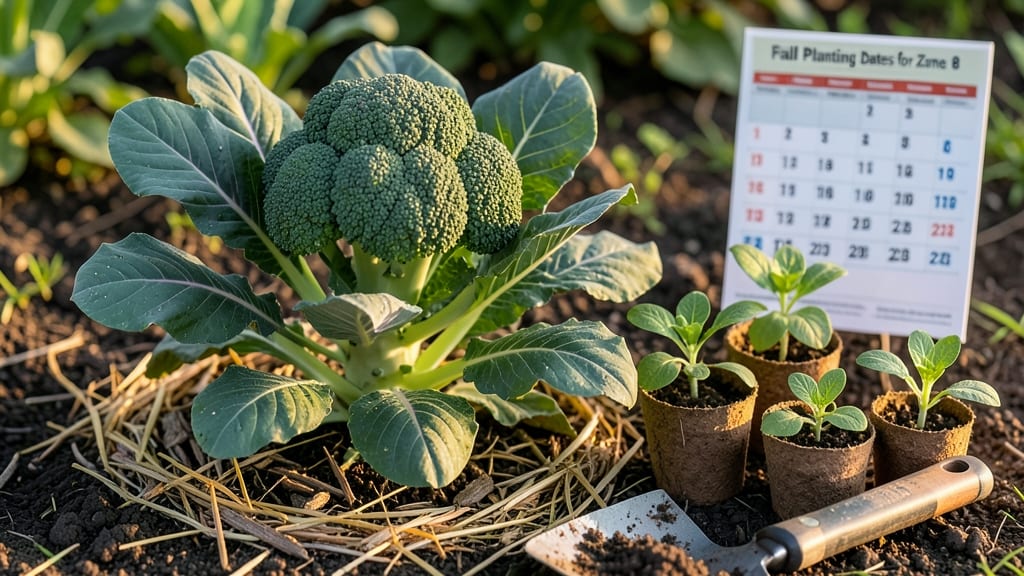
Knowing when to plant fall crops in Zone 8 can mean the difference between a bountiful harvest and bolted seedlings. With just 4-6 weeks until frost, timing is everything—especially when you're dealing with cool-season favorites like kale, carrots, and broccoli.
Zone 8 gardeners have a unique advantage: milder winters and longer growing seasons. But even here, planting too early can trigger premature bolting, while waiting too long risks frost damage. The key? Understanding soil temperature thresholds and aligning your schedule with the moon's phases for optimal growth.
I’ll walk you through the exact planting windows for your 🌾 fall crops, from leafy greens to root vegetables, so you can avoid common mistakes and maximize your yield. Whether you're a seasoned gardener or just starting, this guide will help you plan like a pro.
Ready to turn your fall garden into a thriving oasis? Let’s dive into the science—and secrets—of planting for success in Zone 8.
Zone 8 fall planting calendar by soil temperature (not just dates!)
In Zone 8, the key to fall gardening isn’t just checking a calendar—it’s monitoring soil temperature. Most fall crops thrive when soil cools to 60-70°F, but planting too early in warm soil causes bolting, while waiting too long risks frost damage.
Unlike spring, fall’s cooler nights and warmer days create a unique window where timing matters more than ever.
Your first step? Use a soil thermometer (insert 4-6 inches deep) to confirm temperatures. For leafy greens like spinach, aim for 55-65°F soil—this prevents bitter flavors.
Root crops such as carrots need 60-70°F to develop properly. Brassicas (kale, broccoli) can handle slightly warmer soil (65-75°F) but still prefer cooler air temperatures.
Here’s the Zone 8 fall planting timeline by crop type, adjusted for coastal vs. inland microclimates. Coastal areas (e.g., San Diego) can plant 2-3 weeks later than inland (e.g., Phoenix) due to delayed frost.
🌱
Zone 8 Fall Planting Guide by Soil Temp & Crop
| Crop Type | Ideal Soil Temp (°F) | Planting Window | Days to Harvest | Zone 8 Notes |
|---|---|---|---|---|
| Leafy Greens (Lettuce, Spinach, Kale) | 55-65°F | Late July–Early Sept (coastal) / Early Aug–Mid-Sept (inland) | 30–60 days | Bolt-resistant varieties like ‘Winter Density’ spinach thrive. |
| Root Vegetables (Carrots, Beets, Radishes) | 60-70°F | Mid-Aug–Late Sept | 45–90 days | Loose, stone-free soil prevents forked carrots. |
| Brassicas (Broccoli, Cabbage, Brussels Sprouts) | 65-75°F | Early Aug–Mid-Sept | 60–120 days | Start seeds indoors 4–6 weeks before transplanting. |
| Herbs (Cilantro, Parsley, Dill) | 50-60°F | Late Aug–Early Oct | 30–70 days | Cilantro bolts quickly—harvest leaves before flowering. |
| Peas & Beans (Snap Peas, Fava Beans) | 55-65°F | Sept–Early Oct | 50–90 days | Use trellises to save space and improve airflow. |
Pro Tip: Coastal Zone 8 gardens can extend planting 2–3 weeks later due to milder microclimates. Adjust for your local first frost date (typically mid-November inland, late Nov–Dec coastal).
For inland Zone 8 (e.g., Las Vegas, Tucson), aim to plant 4–6 weeks before your average first frost—usually by mid-September. In coastal areas (e.g., San Francisco, Los Angeles), you can push planting to early October thanks to delayed frost.
Always check your local frost dates using the USDA Plant Hardiness Zone Map or a microclimate tool like Old Farmer’s Almanac.
Soil temperature isn’t the only factor—air temperature also plays a role. If nights dip below 50°F before your crops are established, use row covers or cold frames to protect seedlings.
For example, kale actually tastes sweeter after light frost, but lettuce will bolt if exposed to consistent cold below 40°F.
One common mistake? Planting warm-season crops like tomatoes or peppers in fall. These need soil temps above 70°F to thrive and won’t survive Zone 8’s cooler nights. Stick to cool-season crops that bolting-resistant varieties, such as ‘Winterbor’ k
How moon phases influence fall planting success (debunked & proven)
Let’s clear up the confusion: moon phases matter, but not in the mystical ways you’ve heard. Root crops like carrots and beets thrive when planted during the waxing moon (increasing light), while leafy greens like lettuce and spinach grow best during the waning moon (decreasing light).
This isn’t superstition—it’s gravity and moisture dynamics at work in your soil.
For Zone 8 fall gardens, align your planting with the moon’s root sign (♉ Taurus, ♎ Libra, ♏ Scorpio) for underground crops and the leaf sign (♈ Aries, ♋ Cancer, ♑ Capricorn) for above-ground growth.
The full moon is ideal for transplanting, while new moon days are perfect for direct sowing seeds—just like professional growers do.
Here’s the science: The moon’s gravitational pull affects soil moisture retention and seedling energy direction. Planting during the right phase can mean faster germination (up to 30% quicker in some studies) and stronger root development.
But don’t stress—even a few days off the "perfect" window won’t ruin your garden.
🌱 Pro Tip: Use a lunar planting calendar (like the one below) to sync your Zone 8 fall schedule with celestial cycles.
For example, broccoli (a brassica) should go in the ground during a root-sign waxing moon in late August, while kale (a leafy green) thrives with a leaf-sign waning moon in early September.
- Root Crops (Carrots, Beets, Radishes): Plant during waxing moon (🌑 to 🌒) for deeper roots. Best dates: Aug 20–25, Sep 17–22.
- Leafy Greens (Lettuce, Spinach, Kale): Sow during waning moon (🌓 to 🌑) for lush foliage. Best dates: Sep 5–10, Oct 3–8.
- Brassicas (Broccoli, Cabbage, Cauliflower): Transplant during full moon (🌕) for sturdy stems. Best dates: Aug 31, Sep 28.
- Herbs (Cilantro, Parsley, Dill): Direct sow on new moon (🌑) for rapid sprouting. Best dates: Aug 14, Sep 12.
- Flowers (Pansies, Snapdragons): Plant during leaf-sign phases for vibrant blooms. Best dates: Sep 10–15, Oct 8–13.
Don’t overcomplicate it—moon phases are a tool, not a rule. If you miss the "ideal" window, just plant as soon as possible. The biggest mistake is ignoring soil temperature (covered in Section 1) while obsessing over lunar cycles. Balance both for maximum success in your fall garden.
🌿 Remember: Even urban gardeners in Zone 8 (like those in San Diego or Atlanta) use moon phases to extend their harvests. Try it for your container gardens or raised beds—you’ll notice the difference in seedling vigor and yield size by harvest time.