
Plants
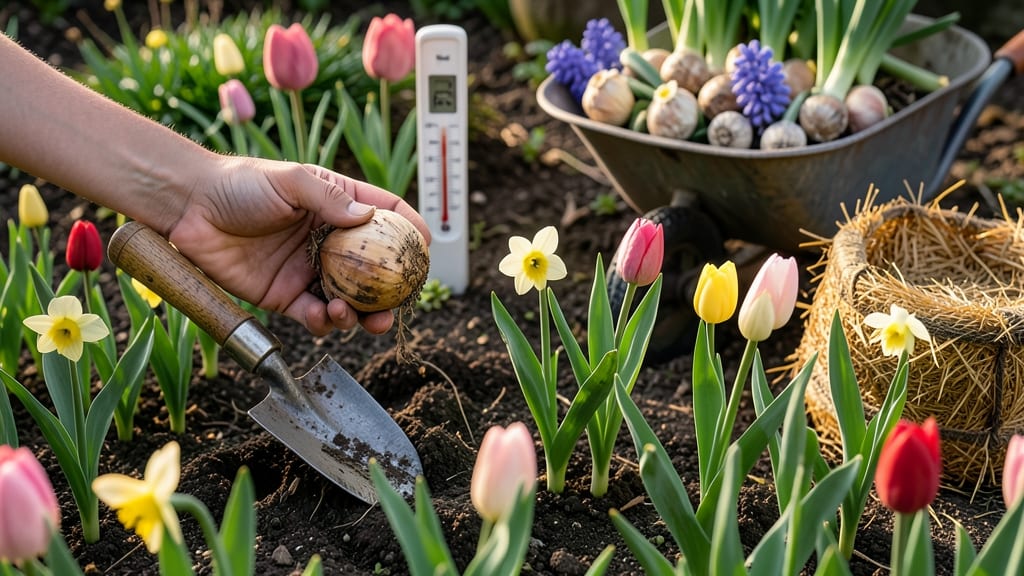
Timing your spring flowering bulbs (like tulips 🌷 and daffodils) in South Carolina’s Zone 8A is the secret to vibrant blooms—because plant too early, and they’ll rot; too late, and frost zaps them before they sprout.
The ideal window is September through November, when soil cools and rain becomes reliable, but getting the exact dates matters more than you’d think.
Here’s the kicker: Charleston’s coastal microclimate lets you push planting later than Greenville’s Piedmont zone, where frosts creep in earlier. I’ll break down the critical deadlines for each bulb type, so you avoid the common mistakes that turn your $50 bulb pack into a $50 lesson in frustration.
You’ll also discover how to prep your soil for South Carolina’s clay-heavy ground (yes, it’s possible!) and when to mulch to protect those bulbs from our unpredictable late-winter warm spells. Trust me, these small tweaks mean the difference between a showstopping spring garden and a sad, half-blooming disappointment.
Let’s get your fall planting schedule locked in—so next April, your neighbors will be asking, “What’s your secret?” (Spoiler: It’s not magic, just science-backed timing.)
South Carolina zone 8A bulb planting deadlines by type
South Carolina’s Zone 8A climate lets you plant bulbs year-round, but timing is critical for zero-frost success. The key is planting when soil temperatures drop below 70°F but before hard frosts arrive.
For most spring-flowering bulbs, this means September through November, while summer bulbs like dahlias go in after the last frost.
Your first frost date in SC typically lands in mid-November, but coastal areas like Charleston may see frost later. Upstate regions like Greenville often experience frost 2-3 weeks earlier.
To avoid frost damage, plant 6-8 weeks before your local first frost date—this gives roots time to establish before winter dormancy.
Soil temperature is your best guide: Aim for 60-65°F at planting depth (usually 6-8 inches deep). Use a soil thermometer to check—this is especially important for tender bulbs like cannas, which won’t survive frost at all.
🌱 South Carolina Bulb Planting Deadlines by Type
| Bulb Type | Ideal Planting Months | Soil Temp Trigger | Frost Risk | Notes |
|---|---|---|---|---|
| Spring Bulbs (Tulips, Daffodils, Hyacinths) | September–November | 60–65°F | Low (hardy to 10°F) | Plant 6–8 weeks before frost; deeper in sandy soil. |
| Summer Bulbs (Dahlias, Canna, Caladium) | April–May (after last frost) | 65–70°F | High (tender bulbs) | Use mulch to protect from late frosts; dig up cannas before winter. |
| Fall Bulbs (Crocus, Snowdrops, Allium) | October–December | 55–60°F | None (winter bloomers) | Plant after first frost for earliest spring color. |
| Perennial Bulbs (Daylilies, Iris, Lily) | September–October | 60–65°F | Low (hardy to 0°F) | Divide every 3–4 years for best blooms. |
For spring-flowering bulbs, October is the sweet spot in most of SC. This gives roots time to grow before winter while avoiding the summer heat that stresses bulbs.
If you miss October, you can still plant into early November, but use extra mulch (3–4 inches of straw or leaves) to insulate the soil.
Dahlias and cannas are the exceptions—they’re tender bulbs that won’t survive frost. Plant these after your last frost date, which in Charleston is usually mid-March, but Upstate areas may wait until April. For a head start, grow them in containers and move outdoors after Memorial Day.
Pro tip: Label your bulbs with planting dates! This helps you track which varieties need division or replanting next season. Use biodegradable tags or a garden journal to log when and where you planted each type.
If you’re in a coastal area, you can push planting dates slightly later due to warmer winters. But inland regions like Columbia should follow the earlier deadlines to avoid frost damage.
Always check your local frost dates using the USDA Plant Hardiness Zone Map or a microclimate guide for your county.
Remember: Soil prep is half the battle. Amend your soil with compost or aged manure before planting to improve drainage—waterlogged soil is the #1 killer of bulbs in SC’s humid climate. Aim for well-draining soil with a pH of 6.0–7.0 for most bulbs.
🌷
How to adjust planting for South Carolina’s microclimates
South Carolina’s Zone 8A might seem uniform, but microclimates create big differences. Upstate areas like Greenville can see earlier frosts than Charleston’s coast—sometimes by 2-3 weeks. These variations mean your tulip planting in Spartanburg might need to happen 2 weeks earlier than in Hilton Head.
Understanding these shifts helps you extend planting windows and protect your bulbs.
Mulch is your secret weapon. A 3-inch layer of straw or pine needles insulates soil, delaying frost penetration by 1-2 weeks. In colder inland areas, this extra protection lets you plant daffodils safely until mid-November, while coastal gardeners might push to late December. Just remember: remove mulch in early spring to avoid rot.
Shade also plays a role. Areas with afternoon shade (like near buildings or trees) stay warmer longer, creating microclimates where crocus can survive 1-2 weeks past the official frost date. Test your spot by checking when nearby winter jasmine blooms—if it’s thriving, your bulbs can too.
🌡️ South Carolina Microclimate Planting Adjustments
| Region | Last Safe Planting Date | Key Adjustment |
|---|---|---|
| Upstate (Greenville) | Early November | Use thick mulch (4+ inches) for 2-week extension |
| Piedmont (Columbia) | Mid-November | Plant shade-tolerant bulbs (e.g., grape hyacinths) later |
| Coastal (Charleston) | Late December | Soil stays warm longer—ideal for tender bulbs (e.g., cannas) |
| Lowcountry (Beaufort) | January (mild winters) | Perfect for spring-blooming bulbs like rain lilies |
🌱 Pro Tip: Check your local Cooperative Extension office for 5-year frost averages—they update yearly!
Soil prep matters just as much as timing. Sandy coastal soils drain too fast, while clay Piedmont soils stay soggy. Amend with compost and perlite to create the perfect well-draining mix.
For heavy clay areas, consider raised beds—they warm up 2-3 weeks faster in spring, giving your tulips a head start.
Container gardening offers another solution for tricky microclimates. Potted dahlias or gladiolas can be moved to protected spots before frost, or overwintered indoors. Just use fast-draining pots and terracotta (which warms faster than plastic).
Finally, don’t forget to monitor soil temperatures. Use a soil thermometer—ideal planting temps are 50-60°F. If your soil stays above 60°F into November, you’ve got 2-3 extra weeks for summer bulbs like calla lilies.
But if temps drop below 40°F, cover bulbs with burlap for extra frost protection.
🌿