
Plants
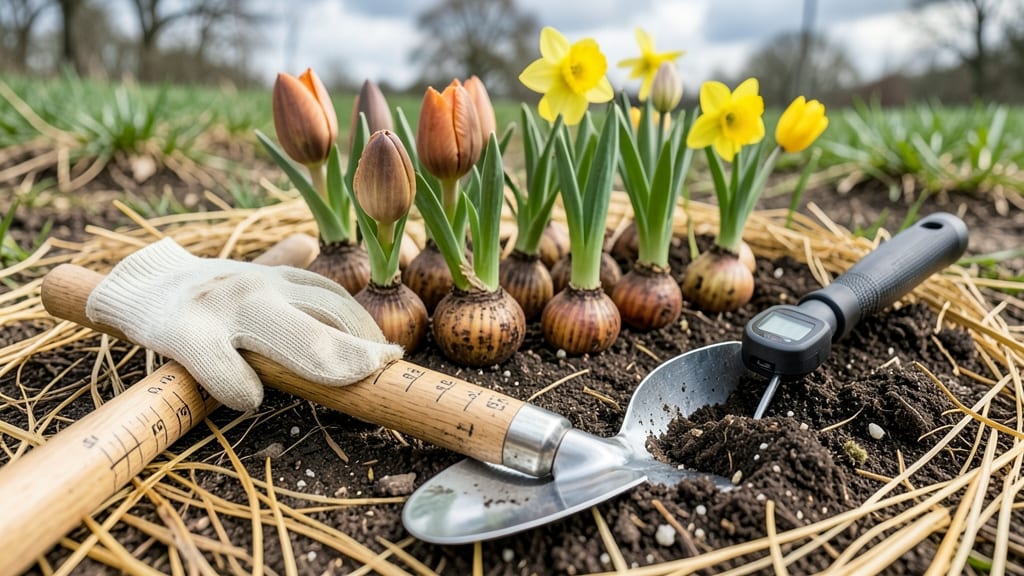
Knowing when to plant bulbs in Zone 8a can mean the difference between a garden full of vibrant blooms and a missed opportunity. With milder winters and longer growing seasons, Zone 8a offers a unique advantage—but timing is still everything.
Fall is your golden window for planting most bulbs, like tulips and daffodils, between October and November. This gives them time to root before the ground cools, while early spring planting in February or March works for heat-loving varieties.
The key? Avoid planting too early, or your bulbs may rot before winter sets in.
In this guide, I’ll break down the best months for each type of bulb, how to adjust for your local microclimate, and what to watch for to ensure zero-frost success. Whether you’re a seasoned gardener or just starting, these tips will help you maximize your blooms.
Let’s dive into the perfect schedule so you can enjoy a garden bursting with color—without the guesswork. Your future spring display starts with the right timing!
Zone 8a bulb planting calendar: best months by bloom season
In Zone 8a, where winters are mild but still cool, timing your bulb planting correctly ensures vibrant blooms without frost damage. Unlike colder zones, you can plant fall bulbs later and spring bulbs earlier.
The key is understanding your last frost date (around January 15) and adjusting for microclimates.
Most spring-flowering bulbs like tulips and daffodils thrive when planted in fall (October–November), while summer bulbs such as dahlias and calla lilies wait for early spring (February–March). Below, I’ve broken down the ideal planting windows for Zone 8a’s unique climate.
| Bulb Type | Best Planting Month | Bloom Time | Depth | Spacing |
|---|---|---|---|---|
| Tulips | October–November | March–April | 6–8 inches | 4–6 inches apart |
| Daffodils | October–November | February–March | 6–8 inches | 3–6 inches apart |
| Dahlias | February–March | Summer–Fall | 4–6 inches | 12–18 inches apart |
| Crocus | October–November | January–February | 3–4 inches | 2–3 inches apart |
| Rain Lilies | February–March | Summer | 3–4 inches | 6–12 inches apart |
For fall-planted bulbs, aim to finish planting 6–8 weeks before the first frost. In Zone 8a, this typically means mid-October to early November. If you miss this window, don’t worry—some bulbs like daffodils can handle late fall planting or even early spring in mild winters.
If you’re planting spring bulbs like dahlias or calla lilies, wait until the soil warms to 60°F (15°C), usually in February or March. These bulbs need warm soil to sprout, so rushing them in cold ground can cause rot.
Pro tip: Use mulch after planting to insulate bulbs from temperature swings and retain moisture. A 2–3 inch layer of straw or shredded leaves works perfectly in Zone 8a’s mild winters.
For summer-blooming bulbs, like rain lilies or spider lilies, plant them in early spring (February–March) once the danger of frost has passed. These bulbs thrive in heat and will reward you with bold summer color when planted at the right time.
Always plant bulbs with the pointy end up—this ensures they grow straight and strong. In Zone 8a, where winters are short, bulbs like tulips may need extra chilling (4–6 weeks below 40°F (4°C)) to bloom well.
If your winters are too mild, consider pre-chilling bulbs in the fridge for a few weeks before planting.
Layering bulbs is another great trick for Zone 8a gardeners. Plant taller bulbs (like tulips) in the back and shorter ones (like crocus) in front. This creates a stunning cascading effect as they bloom at different times.
Finally, remember that soil preparation is key. Amend your soil with compost or well-rotted manure before planting to ensure bulbs get the nutrients they need. Well-draining soil is critical—bulbs rot in soggy conditions, so avoid heavy clay without amendments.
Zone 8a bulb planting calendar: best months by bloom season
In Zone 8a, where winters are mild but frost can still sneak in, timing your bulb planting is critical. Unlike colder zones, you can plant both fall and spring bulbs—but the key is avoiding late winter frost (typically around January 15).
Fall planting (October–November) gives bulbs time to root before winter, while spring planting (February–March) works for heat-loving varieties. Let’s break it down by bloom season so you can plan your garden’s year-round color.
For spring-blooming bulbs like tulips and daffodils, aim for October–November planting. These bulbs need 6–8 weeks of chill time to bloom, and Zone 8a’s mild winters provide just enough. Summer-blooming bulbs, such as dahlias and crinum lilies, thrive when planted in February–March, avoiding early frost risks.
Each bulb type has its own optimal window, so let’s dive into the details.
🌱 Zone 8a Bulb Planting Guide
| Bulb Type | Best Planting Month | Bloom Season | Depth (inches) | Spacing (inches) |
|---|---|---|---|---|
| Tulips | October–November | Spring | 6–8 | 4–6 |
| Daffodils | October–November | Spring | 6–8 | 4–6 |
| Dahlias | February–March | Summer–Fall | 4–6 | 12–18 |
| Crinum Lilies | March–April | Summer | 8–12 | 12–24 |
| Rain Lilies | September–October | Summer | 3–4 | 3–4 |
Note: Adjust planting dates 1–2 weeks earlier for inland areas and 1–2 weeks later for coastal microclimates.
If you’re planting spring bulbs in fall, do it 6–8 weeks before the first frost (usually by November 1 in Zone 8a). For summer bulbs, wait until soil temperatures rise above 60°F in February–March.
Pro tip: Use a soil thermometer to monitor—bulbs like dahlias need warm soil to sprout.
Layering bulbs is another trick for extended blooms. Plant tulips in fall, then add rain lilies in early spring. This creates a continuous color show from late winter through summer. Just ensure each bulb gets the right depth and spacing—crowding leads to weak stems and fewer flowers.
For container gardening, use well-draining mix and plant bulbs 3–4 weeks earlier than ground planting. Containers warm up faster, so bulbs may sprout too soon.
If you’re in a coastal Zone 8a area with milder winters, you can push fall planting to mid-November—just cover bulbs with mulch for extra frost protection.
Remember, Zone 8a’s mild winters mean fewer frost risks, but don’t skip soil prep. Amend heavy clay with compost and ensure well-draining soil to prevent bulb rot. With the right timing, you’ll enjoy bold blooms from January through October—no frost worries needed!