
Plants
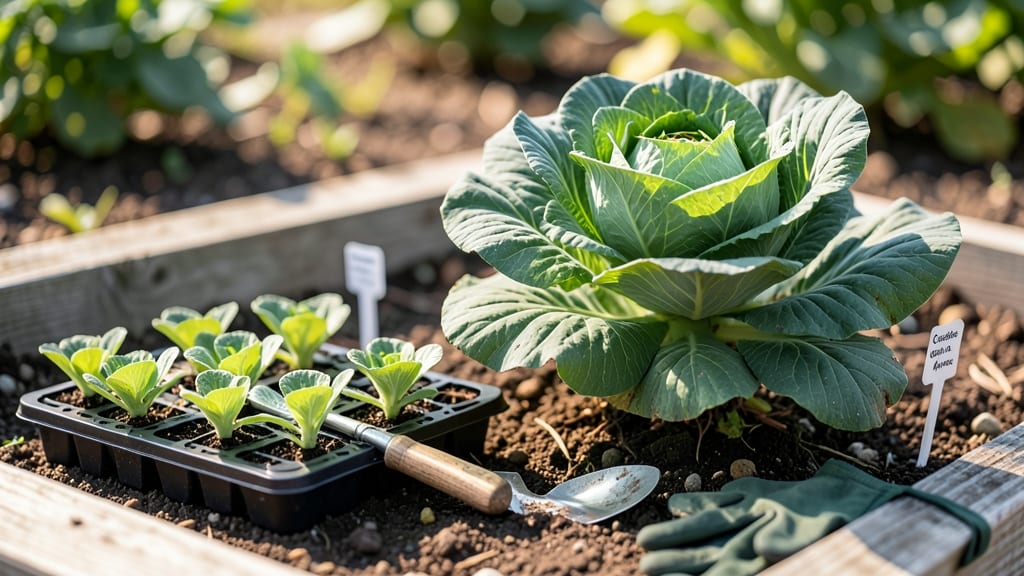
Timing your 🥬 cabbage planting in Kentucky can mean the difference between a thriving garden and a sad, wilted disappointment. The 6a climate here demands precision—plant too early, and frost will nip your seedlings in the bud; too late, and your harvest might never materialize.
Most gardeners in Kentucky swear by two key windows: spring (March 15 to April 30) and fall (August 1 to September 15).
These dates align perfectly with the last frost around April 15 and first frost near October 15, giving your 🥬 cabbage the ideal 165 frost-free days to mature.
But here’s the secret: success isn’t just about dates—it’s about strategy. Whether you’re a first-timer or a seasoned grower, knowing how to stagger plantings and protect your crop from Kentucky’s unpredictable weather is the key to a bountiful harvest.
Let’s break down the exact steps to plant your 🥬 cabbage for maximum yield, from soil prep to harvest timing, so you can enjoy crisp, homegrown heads all season long.
Kentucky cabbage planting dates: frost-free zones & hardiness zones
Kentucky’s USDA hardiness zones 6a-7a create a unique challenge for cabbage growers. The last spring frost typically arrives around April 15, while the first fall frost hits about October 15.
These dates define your planting windows for both spring and fall cabbage. Understanding these frost-free periods ensures you avoid common mistakes like frost damage or premature bolting.
Cabbage thrives in Kentucky’s climate when planted during two key windows: early spring (March 15–April 30) and late summer (August 1–September 15). Spring plantings yield harvests by June–July, while fall plantings mature by October–November.
The 165-day frost-free season in Kentucky is just long enough to grow heat-sensitive varieties like Golden Acre or Early Jersey Wakefield.
Here’s how Kentucky’s microclimates affect planting: Northern regions (e.g., Paducah, USDA Zone 6b) have slightly later last frosts, while southern areas (e.g., Bowling Green, Zone 7a) enjoy longer growing seasons. Always check your local frost dates—the UK College of Agriculture provides updated forecasts.
🌱
🥬 Kentucky Cabbage Planting & Harvest Timeline
| Season | Planting Window | Days to Maturity | Harvest Months | Key Varieties |
|---|---|---|---|---|
| Spring | March 15–April 30 | 75–100 days | June–July | Golden Acre, Early Jersey Wakefield |
| Fall | August 1–September 15 | 60–80 days | October–November | Red Express, Savoy |
| Succession | April 15–May 15 | 60–75 days | July–August | Any fast-maturing variety |
⚠️ Pro Tip: For fall plantings, choose shorter-day varieties (e.g., Savoy) to prevent bolting.
For spring plantings, start seeds indoors 4–6 weeks before your last frost date. Transplant seedlings outdoors when soil temps reach 45°F and nighttime temps stay above 30°F. In Kentucky, this usually aligns with mid-April. Use black plastic mulch to warm soil faster and deter weeds.
Fall cabbage requires earlier planting—sow seeds 100–130 days before the first frost. In Kentucky, this means late July to early August. Opt for heat-tolerant varieties like Red Express, which handle Kentucky’s summer heat better than traditional types. Always harden off seedlings for 7–10 days before transplanting.
Kentucky’s variable weather demands flexibility. If spring arrives late, extend your planting window by 2–3 weeks using frost cloth. For fall, monitor daylength—cabbage bolts when days shorten too quickly. Use shade cloth in late summer to slow bolting in sensitive varieties.
Local resources like the UK Extension Service offer free frost date maps and soil testing kits. Test your soil’s pH (6.0–7.0 ideal) and organic matter before planting. Amend with compost if needed—Kentucky’s clay-heavy soils benefit from sand or peat moss for better drainage.
Remember: Succession planting every 2 weeks in spring ensures a continuous harvest. In Kentucky, this means April 15, May 1, and May 15 plantings for staggered maturity. Pair fast-maturing varieties (e.g., Early Jersey Wakefield) with slower ones (e.g., Golden Acre) to maximize yield.
🌿
How to extend your Kentucky cabbage growing season: staggered planting & cold protection
Kentucky’s short growing season and unpredictable weather can challenge cabbage lovers, but with the right strategies, you can enjoy fresh heads from spring through fall. The key lies in staggered planting and protective measures that shield tender seedlings from late frosts or early heat waves.
Unlike many vegetables, cabbage thrives in cool weather and actually struggles when temperatures climb above 80°F (27°C). By planning ahead, you can avoid the "all-or-nothing" harvest trap that plagues many Kentucky gardens.
Here’s how to maximize your cabbage harvest using succession planting and smart cold protection—proven techniques that work even in Kentucky’s USDA Zone 6a:
Plant 3 sets of seeds every 2 weeks starting March 15 through April 15. This ensures a continuous supply of young plants ready for transplanting after the last frost (April 15).
Use frost cloth or row covers for seedlings planted before April 1. These lightweight barriers raise temperatures by 5-8°F (3-4°C), preventing frost damage while allowing sunlight to penetrate.
Choose heat-resistant varieties like Golden Acre or Crimson Globe for August plantings. These tolerate 75-80°F (24-27°C) better than standard types, extending your harvest window.
When daytime temps hit 85°F (29°C), drape 30% shade cloth over plants to reduce stress. This prevents bolting (premature flowering) and keeps heads crisp for longer.
Start fall cabbage indoors July 15 or direct-sow outdoors August 1. Aim to transplant 100-130 days before the first frost (October 15)
For container gardening, choose dwarf varieties like Miniature Drumhead and plant in 5-gallon pots. Move containers to shaded areas during heatwaves to prevent bolting. Even in small spaces, you can enjoy 6-8 heads per season with these adjustments.
Pro tip: Keep a planting journal to track which varieties perform best in your microclimate. Note when you planted, how long it took to mature, and any protective measures you used. Over time, you’ll refine your schedule to match Kentucky’s unpredictable patterns—because even the best-laid plans need flexibility!