
Plants
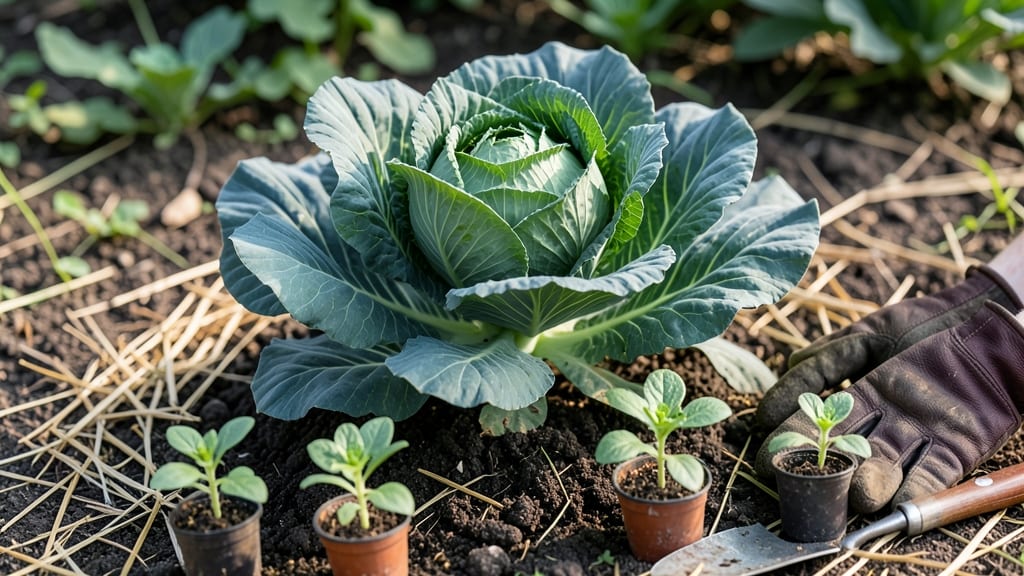
Timing your cabbage planting in Zone 5 could mean the difference between a bumper harvest and wasted effort—especially when frost lingers or summer heat arrives early. 🥬 The key is knowing exactly when to start seeds indoors or set transplants out, so you avoid bolting or stunted growth.
Most gardeners in Zone 5 swear by two planting windows: early spring (March-April) and late summer (July-August). But here’s the catch—your exact timing depends on frost dates, soil warmth, and whether you’re growing frost-resistant varieties like ‘January King’ or ‘Savoy King.’
I’ll break down the best transplanting windows for your region, including how to extend your harvest with succession planting. Whether you’re a beginner or a seasoned gardener, these tips will help you grow cabbage that’s crisp, healthy, and ready to harvest before the season slips away.
Ready to plan your cabbage schedule like a pro? Let’s dive into the exact steps—from seed starting to frost protection—that’ll keep your garden thriving all season long.
Optimal planting windows for cabbage in Zone 5 (with frost-resistant varieties)
Zone 5 gardeners have just 165 frost-free days to grow cabbage, making timing everything. Plant too early, and cold snaps stunt growth; too late, and bolting ruins your harvest. The key is choosing frost-resistant varieties and aligning planting with soil temperatures—40°F (4°C) minimum for direct sowing.
For spring harvests, start seeds indoors 4-6 weeks before your last frost date (typically March 15-April 1 in Zone 5). Transplant hardened-off seedlings 2-3 weeks before the last frost, when soil warms to 50°F (10°C).
Fall planting requires earlier action: sow seeds indoors 8-10 weeks before the first frost (aim for July 1-August 15).
Northern Zone 5 (e.g., Minnesota, Wisconsin) has shorter seasons—prioritize early-maturing varieties like ‘Early Jersey Wakefield’ (55 days). Southern Zone 5 (e.g., Ohio, Indiana) can stretch seasons with late-summer sowings for fall harvests.
Soil temperature is your best guide: use a soil thermometer to confirm 50°F (10°C) for direct sowing or transplanting. If soil is cooler, wait—cold soil delays germination and invites rot. Mulch with straw to stabilize temperatures and retain moisture.
Avoid planting cabbage in mid-summer heat (June-August in Zone 5)—temperatures above 80°F (27°C) trigger bolting. Instead, opt for shade cloth or drip irrigation to keep plants cool during hot spells. I’ve lost entire crops to bolting after skipping this step!
For succession planting, stagger sowings every 2-3 weeks in spring and 3-4 weeks in fall. This ensures a continuous harvest and reduces pest pressure. For example, plant 3 batches in spring (March 15, April 1, April 15) and 2 in fall (July 15, August 1).
Northern Zone 5 gardeners should focus on head cabbage varieties like ‘Savoy King’—their loose leaves tolerate light frost better than tight-headed types. Southern Zone 5 can experiment with Chinese cabbage (e.g., ‘Napa’) for milder winters. Always check your local frost dates—they vary by 1-2 weeks even within Zone 5.
Protect young seedlings with floating row covers until they’re 4-6 inches tall. These barriers shield plants from 20°F (-7°C) temperatures and deter pests like cabbage moths. Remove covers during the day in spring/fall to prevent overheating.
Test your soil’s pH (6.5-7.0) before planting—cabbage thrives in slightly acidic soil. Amend with compost or lime if needed. I once planted cabbage in alkaline soil (pH 7.5) and ended up with yellowing leaves and stunted growth. A simple soil test saved me from repeating that mistake!
Optimal planting windows for cabbage in Zone 5 (with frost-resistant varieties)
Zone 5 gardeners have two main chances to grow cabbage successfully: early spring and late summer. The key is planting when soil temperatures hit 40-50°F—too warm, and seedlings bolt; too cold, and growth stalls.
I’ve learned that March-April for spring and July-August for fall work best in my garden, but timing varies by 1-2 weeks depending on your exact location within Zone 5.
For spring planting, aim to have seedlings ready 4-6 weeks before your last frost date (typically mid-May in Zone 5). Start seeds indoors 6-8 weeks earlier if you’re using tender varieties.
In my experience, ‘January King’ and ‘Savoy King’ handle early cold better than most, making them my go-to choices for spring.
| Planting Window | Soil Temp | Best Varieties | Frost Protection |
|---|---|---|---|
| Early Spring (March-April) | 40-50°F | January King, Savoy King, Red Express | Row covers for light frosts |
| Late Summer (July-August) | 50-60°F | Golden Acre, Early Jersey Wakefield | Shade cloth for heat stress |
| Fall (August-September) | 45-55°F | Winterbor, Danish Ballhead | Mulch for insulation |
Fall planting is often overlooked but can yield sweet, frost-sweetened cabbage if timed right. Plant 8-10 weeks before your first frost (usually early October in Zone 5). I’ve had great success with ‘Winterbor’, which matures in 60-70 days—perfect for a late harvest before winter sets in.
One mistake I made early on was planting too late in spring. May 15th is my cutoff—after that, the heat triggers bolting. To avoid this, always harden off seedlings for 7-10 days before transplanting and keep them well-watered during heatwaves.
A lightweight row cover can also buy you extra weeks in early spring or late fall.
For northern Zone 5 (e.g., Minnesota, Wisconsin), shift planting 1-2 weeks earlier to account for colder soils. In southern Zone 5 (e.g., Kansas, Missouri), you might push spring planting to late April without risking frost.
Always check your local frost dates—they can vary by 10+ days even within the same zone.
Pro tip: Test your soil temperature with a thermometer before planting. Cabbage seeds need consistent warmth to germinate, and soil that’s too cold (below 40°F) will delay sprouting. If your soil is still chilly, wait or use black plastic mulch to warm it faster.