
Plants
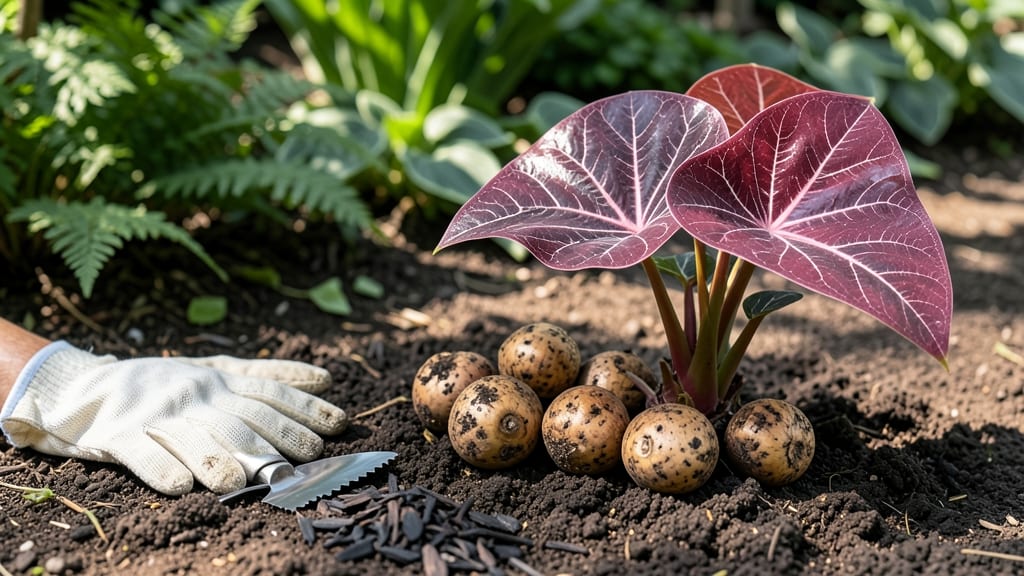
Timing your caladium bulb planting in Florida could mean the difference between vibrant foliage and a sad, wilted disappointment. These tropical beauties 🌿 thrive in the Sunshine State’s heat, but getting them in the ground too early or late can spell trouble—especially when humidity and temperatures fluctuate.
Here’s the secret: March through April is your sweet spot, when soil temperatures consistently hit 60°F+ and frost risk vanishes completely.
Plant too soon, and your caladiums might languish in cool soil; wait too long, and you risk missing the prime window for lush, colorful leaves before summer’s peak heat arrives.
But Florida’s climate isn’t one-size-fits-all. Whether you’re in Miami’s steamy Zone 10B or Orlando’s Zone 9A, soil prep and microclimates play a bigger role than you’d think. I’ll break down exactly what to check—so you can skip the guesswork and start growing like a pro.
Ready to transform your garden into a caladium paradise? Let’s dive into the exact steps to plant them right, protect them from Florida’s quirks, and keep those stunning leaves thriving all season long.
Florida’s ideal caladium planting window: heat-zone breakdown by month
Florida’s frost-free climate means caladium bulbs can thrive year-round—but timing still matters. Unlike northern states, we focus on soil temperature and rainfall patterns rather than frost dates. The sweet spot? When daytime highs hit 70–75°F consistently, signaling ideal growing conditions for these tropical beauties.
In Florida’s USDA zones 8A–10A, the prime window spans mid-March through April. This aligns with natural rainfall increases, reducing the need for supplemental watering while preventing bulb rot from over-saturated soil. Let’s break it down by region to maximize your success.
| Region | Ideal Planting Month | Soil Temp Threshold | Rainfall Consideration | Key Tip |
|---|---|---|---|---|
| North Florida (Jacksonville, Gainesville) | Late March–Early April | 65–70°F | Dry spells common; mulch helps retain moisture | Use black plastic mulch to warm soil faster |
| Central Florida (Orlando, Tampa) | Mid-March–Mid-April | 70–75°F | Moderate rainfall; avoid waterlogged areas | Plant in raised beds for better drainage |
| South Florida (Miami, Fort Lauderdale) | February–Early March | 72–78°F | High humidity; prioritize airflow | Space bulbs 12+ inches apart to prevent fungal issues |
| Panhandle (Pensacola, Tallahassee) | Early April | 68–72°F | Variable; monitor for late cold snaps | Wait until nighttime lows stay above 55°F |
If you’re in North Florida, hold off until mid-April to avoid unexpected 30–40°F dips that can stunt growth. Meanwhile, South Florida gardeners can start as early as February, but beware of fungal pressure from the region’s persistent humidity.
The key is planting when soil temperatures stabilize—use a soil thermometer to confirm.
Pro tip: Caladium bulbs are sensitive to cold soil. If you’re eager to plant early, cover the area with black plastic mulch 2–3 weeks beforehand to raise soil temps by 5–10°F. This trick lets you jumpstart growth in cooler microclimates like the Florida Panhandle.
For container growing, timing is even more flexible. You can plant anytime after February since pots warm up faster. Just ensure your containers have drainage holes to prevent root rot—a common issue in Florida’s clay-heavy soils.
Watch for new growth emerging from the soil surface, a sure sign your bulbs are happy. In Florida, this typically happens 4–6 weeks after planting, depending on variety and microclimate. Fancy Leaf types like ‘White Queen’ often sprout faster than Florida Red varieties.
After planting, maintain consistent moisture but avoid soggy soil. Florida’s summer rains can overwhelm caladiums, so prioritize well-draining locations, especially in low-lying areas prone to poor drainage. A 2-inch layer of mulch will help regulate moisture and keep roots cool.
Remember: Caladiums are tropical plants that thrive in Florida’s heat but hate cold snaps. Even a single night below 50°F can cause leaf scorch. If you’re pushing the envelope with early or late plantings, consider shade cloth during peak summer heat to protect delicate foliage.
🌿
Florida’s ideal caladium planting window: heat-zone breakdown by month
Florida’s frost-free climate means caladium bulbs can thrive year-round—but timing still matters. The ideal planting window spans March through April, when soil temperatures consistently stay above 65°F. This aligns with Florida’s USDA Zones 9A-11, where cold snaps are rare but can still stress young plants.
In North Florida (Zones 8A-9A), like Jacksonville or Gainesville, aim for mid-April to avoid late-winter dips below 50°F. Meanwhile, South Florida (Zones 10A-11), such as Miami or Fort Lauderdale, can plant as early as February—but watch for heavy rains, which can delay soil warming.
| Month | Soil Temp (°F) | Planting Window | Notes |
|---|---|---|---|
| February | 60–65°F | South Florida only | Risk of cold snaps; use mulch |
| March | 65–70°F | Statewide ideal | Best balance of warmth and rain |
| April | 70–75°F | North Florida focus | Soil fully warmed; minimal frost risk |
| May | 75–80°F | Late planting | Use shade cloth for young plants |
For container growing, you can push boundaries—planting as late as May works if you use black plastic mulch to warm soil faster. However, avoid June plantings; summer’s intense heat and humidity can stress bulbs before they establish roots.
Pro tip: Check soil temps with a soil thermometer—caladiums need at least 60°F for root growth. If temps drop below 55°F, delay planting until conditions stabilize. Florida’s afternoon thunderstorms can also delay planting, so plan for dry spells in March.
Remember, caladiums are tropical plants that thrive in shade gardens. Once planted, they’ll reward you with vibrant foliage all summer long—just don’t rush the process! 🌿