
Plants
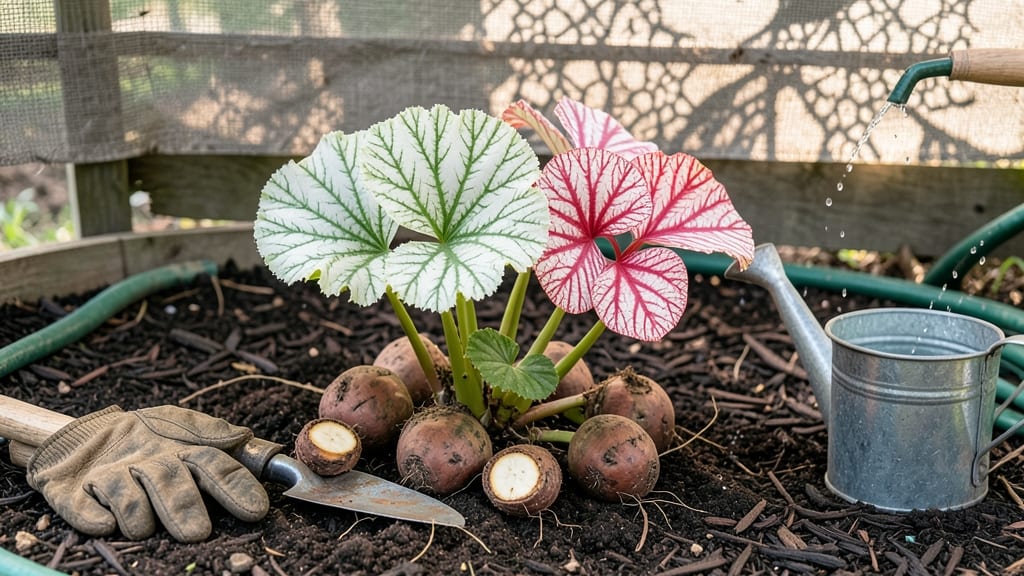
If you’ve ever planted caladiums in Texas only to watch their leaves crisp under the blazing sun, you’re not alone. The key to vibrant 🌿 caladiums lies in timing—specifically, knowing when to plant caladiums in Texas to outsmart the heat before it even arrives.
Texas gardeners in zones 8a-10b have a narrow window to get these showstopper plants in the ground, ideally between March and April, after the last frost has passed. Skipping this window means battling scorched foliage or stunted growth before summer’s full fury hits.
But here’s the good news: with the right approach, you can still enjoy lush, thriving caladiums all season long.
I’ll break down the exact dates and soil conditions to aim for, plus smart strategies to protect your plants from Texas’s brutal heat. Whether you’re a first-time grower or a seasoned gardener, these tips will help you avoid common mistakes and keep your garden looking stunning.
Let’s dive into the secrets of planting caladiums for maximum impact—without the summer burnout. Your garden’s next masterpiece starts with the right timing.
Best planting months for caladiums in Texas heat zones
Texas gardeners know that caladiums thrive in heat but demand precise planting timing to avoid wilting before summer’s peak. The last frost date varies dramatically across Texas—from January 1 in South Texas to February 15 in North Texas—so your planting window depends on your USDA zone.
Waiting until soil warms to 65°F ensures strong root growth before Texas’ brutal summer heat arrives.
In North Texas (Zones 8A-8B), aim for mid-to-late March when nighttime temperatures consistently stay above 50°F. South Texas gardeners (Zones 9A-10B) can plant as early as February, but avoid rushing—late frosts can still sneak in, especially near the Hill Country.
The key is balancing heat tolerance with frost risk.
Missed the window? Don’t panic. Container growing extends your planting season into late April or even May, though you’ll need to monitor leaf scorch risks in full sun. For in-ground planting, April is your safest bet across most of Texas, giving caladiums time to establish before 100°F+ temperatures hit.
| Texas Region | USDA Zone | Ideal Planting Window | Soil Temp Threshold | Key Risk |
|---|---|---|---|---|
| North Texas | 8A-8B | Mid-to-late March | 65°F+ | Late frosts |
| Central Texas | 8A-9A | Late March–early April | 65°F+ | Heatwaves |
| South Texas | 9B-10B | February–March | 60°F+ | Humidity stress |
| East Texas | 8A-8B | Late March–April | 65°F+ | Fungal diseases |
🌱 Pro Tip: Use a soil thermometer to confirm 65°F+ before planting.
Texas’ heat zones create microclimates where even neighboring counties may have 2-week differences in safe planting dates. For example, Austin (Zone 8B) can plant in early April, while Dallas (Zone 8A) should wait until mid-April.
Check your local AgriLife Extension office for precise frost data—every 5°F difference in winter lows shifts your window.
If you’re in Zone 10B (Deep South Texas), you might even plant as early as January, but avoid direct sunlight until soil warms fully. These regions benefit from shade cloth during peak afternoon heat, which protects delicate foliage from scorching.
In contrast, West Texas (Zone 8A) gardeners should delay until late April to avoid 100°F+ days stressing young tubers.
For container growers, the rules relax slightly—you can plant up to 6 weeks later than in-ground dates since pots warm faster.
Just ensure your containers have drainage holes to prevent root rot in Texas’ intense summer downpours. Terracotta pots work best for heat dissipation, while black plastic containers absorb too much sun.
Watch for heatwave warnings in late May—this is when Texas’ summer drought often begins. Caladiums planted too late may bolt (send up flower stalks prematurely) or develop brown leaf edges from osmotic stress.
Mulching with 2–3 inches of shredded bark helps retain moisture and keeps roots cool, extending your display season by 4–6 weeks.
Remember: Caladiums are tropical and cannot tolerate frost. If an unexpected freeze hits (like the 2021 winter storm in Texas), cover plants with frost cloth or move containers indoors. Hardy varieties like ‘White Queen’ or ‘Pink Beauty’ handle heat better but still need consistent moisture.
Timing your caladium planting isn’t just about months—it’s about soil temperature, local microclimates, and heat prepared
Best planting months for caladiums in Texas heat zones
Texas’s diverse heat zones (8A-10B) mean caladiums thrive in different windows—getting the timing wrong can spell disaster for these heat-sensitive tubers. Unlike frost-hardy plants, caladiums demand warm soil (at least 65°F) and consistent moisture to avoid wilting before they even leaf out.
In North Texas (Zones 8A-8B), the last frost typically hits around February 15, but soil may not warm enough until late March. Meanwhile, South Texas (Zones 9A-10B) gardeners can plant as early as February, provided nighttime temps stay above 50°F.
The key? Soil temperature, not just air temp.
| Zone | Ideal Planting Window | Soil Temp Threshold | Key Risk |
| 8A-8B (North) | Late March - Early April | 65°F+ | Late frosts |
| 9A (Central) | Mid-March - April | 60°F+ | Sudden heatwaves |
| 10A-10B (South) | February - Early March | 55°F+ | Humidity stress |
Miss the window? Don’t panic—container growing buys you extra weeks. Plant tubers in pots by mid-April in North Texas or late March in Central Texas, then move them outdoors after Memorial Day when soil is reliably warm. Staggered planting (every 2 weeks) also extends your display season.
Pro tip: Use a soil thermometer—caladiums won’t sprout until soil hits 65°F, even if air temps are perfect. In East Texas, where humidity spikes early, aim for early April to avoid fungal rot before leaves emerge.
For extended blooms, prioritize shade-tolerant varieties like ‘White Queen’ or ‘Candidum’ in zones 9A+. These handle 100°F+ afternoons better than delicate pink varieties, which crisp by late June without afternoon shade.
Remember: Texas heat is your friend after planting—caladiums grow fastest when nights stay above 70°F. But rush it, and you’ll end up with leggy, weak stems struggling to support those showstopping leaves. Patience pays off in bold foliage by Memorial Day! 🌿