
Plants
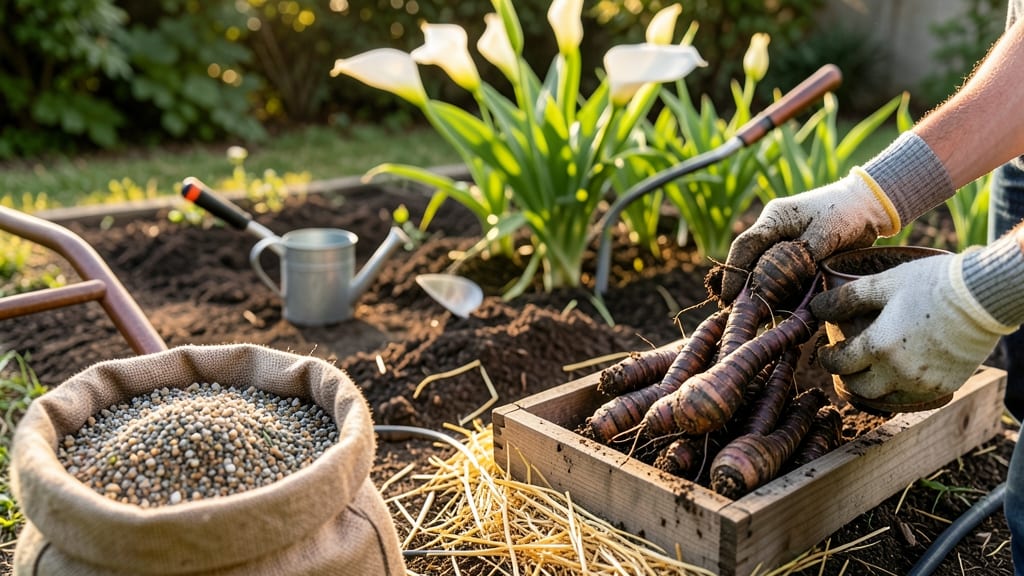
If you're dreaming of dramatic, summer-long blooms from your garden, knowing when to plant calla lily bulbs in Zone 5 is the first step to success. These striking 🌸 calla lilies thrive in the right conditions, but timing is everything—especially in cooler climates like yours.
Planting too early risks frost damage, while waiting too long might mean missed blooms. The ideal window in Zone 5 is late spring to early summer, once the soil warms to at least 60°F and all danger of frost has passed.
That usually lands in May or early June, but local weather patterns can shift those dates.
I’ll walk you through the exact frost-free timeline, soil temperature checks, and pro tips to prep your bulbs for a showstopping summer display. Whether you’re a first-time gardener or a seasoned pro, these insights will help you avoid common mistakes and set your calla lilies up for success.
Ready to transform your garden with bold, tropical beauty? Let’s dive into the best practices for planting calla lilies in Zone 5—and keep those blooms coming all season long.
Zone 5 calla lily planting timeline: exact weeks before last frost
Planting calla lily bulbs in Zone 5 requires precision timing to avoid frost damage while ensuring warm soil conditions. The ideal window spans from 2-4 weeks after your average last frost date, typically mid-May to early June, when soil temperatures consistently reach 60°F+.
This timing balances risk and reward—planting too early risks frost, while waiting too long may delay blooms.
Zone 5 gardeners face unique challenges: unpredictable spring weather and cooler soils. Unlike tropical climates, our region demands patience. Bulbs need warm soil to sprout, but air temperatures can still dip dangerously low. The key is monitoring both frost forecasts and soil thermometers—never rely on air temperature alone.
For spring planting, aim for late May in most of Zone 5 (e.g., Chicago, Detroit, or Syracuse). In warmer microclimates (like northern Illinois), you might push to early May. Always verify your local last frost date—some years it varies by 2 weeks or more.
🌱Pro Tip: Use black plastic mulch to warm soil faster if planting early. This can add 2-3°F to soil temperature, helping bulbs establish sooner.
| Planting Stage | Zone 5 Timeline | Key Conditions | Action Items |
|---|---|---|---|
| Preparation | Late April | Soil workable, no frost predicted | Amend soil with compost, test pH (6.0-7.0 ideal) |
| Planting Window | Mid-May to Early June | Soil 60°F+, last frost passed | Plant bulbs 4" deep, 6-12" apart |
| Sprouting | Late May to June | Air temps 65°F+, no frost risk | Monitor for emergence, mulch to retain warmth |
| Blooming Peak | July to August | Consistent 70°F+ days | Fertilize lightly (5-10-10), deadhead spent blooms |
| Fall Prep | Late September | First frost imminent | Cut back foliage, mulch heavily for winter |
Fall planting is riskier in Zone 5 but possible in southern Zone 5 (e.g., St. Louis or Cincinnati). Plant bulbs 6-8 weeks before first frost (typically late August to early September) to allow roots to establish.
However, most gardeners in northern Zone 5 (e.g., Minneapolis or Burlington) should stick to spring planting to avoid winter heaving.
🌡️Critical Factor: Soil temperature matters more than air temperature. Use a soil thermometer to confirm 60°F+ before planting. Cool soils delay sprouting and increase rot risk.
For container growing in Zone 5, extend your season by planting bulbs 4-6 weeks earlier in pots. Move containers indoors or to a garage with bottom heat during cold snaps. This "head start" can give you 4-6 weeks of earlier blooms compared to ground planting.
📅Regional Adjustments: Northern Zone 5 (e.g., Duluth, MN) may need to wait until late May or June, while southern Zone 5 (e.g., Nashville, TN) can plant as early as early May. Check your local cooperative extension service for hyper-local frost data.
Remember: Calla lilies are not frost-tolerant. Even one unexpected frost can kill new shoots. If your area has late spring frosts, consider using frost cloth for the first 2-3 weeks after planting to protect emerging foliage.
5 Signs your Zone 5 calla lily planting time is perfect (and 3 mistakes to avoid)
Timing your calla lily bulbs in Zone 5 isn’t just about checking a calendar—it’s about reading your garden’s signals. Missed cues can mean stunted growth or frost damage, while perfect timing ensures vibrant summer blooms.
Here’s how to know when your calla lilies are ready for planting—and what to avoid.
First, watch for soil temperatures hitting 60°F or warmer. Use a soil thermometer to confirm—cool soils delay sprouting. Bulbs won’t thrive if planted too early, even if frost risk seems low. Patience here prevents rot and ensures strong roots.
Next, observe leaf unfurling on your bulbs. If stored indoors, place them in a bright spot and wait for green shoots (1-2 inches long). This signals they’ve broken dormancy and are ready for outdoor conditions. Don’t rush—hardy bulbs need this preparation to handle Zone 5’s unpredictable springs.
✅ 5 Signs Your Planting Time Is Perfect
- Soil temp: Consistently 60°F+ (test with thermometer)
- Bulb sprouts: 1-2 inch shoots indoors before planting
- Frost risk: No frost forecast for 2-3 weeks
- Weather: Stable temps (no late freezes expected)
- Moisture: Well-drained soil (no standing water)
❌ 3 Mistakes to Avoid
- Planting too early: Cold soil causes rot (❄️)
- Ignoring microclimates: South-facing beds warm faster
- Skipping soil prep: Poor drainage = bulb failure (💧)
Another critical sign? Weather forecasts showing no frost risk for 2-3 weeks. Check your local USDA Zone 5 averages—some areas (like Chicago) have later last-frost dates than Cincinnati. Planting too soon in colder microclimates (like valleys) risks frost damage, even if your neighbors succeed.
For extended growing seasons, consider container planting. Pots warm faster and let you move calla lilies indoors before first frost (mid-October). Just ensure containers have drainage holes—waterlogged bulbs rot quickly in Zone 5’s damp falls. Mulch with straw to insulate roots if early frosts threaten.
Finally, avoid the common mistake of planting dormant bulbs straight from storage. Pre-sprouting indoors (in potting mix) gives them a head start. If you skip this, bulbs may struggle to establish before summer heat arrives.
Think of it as giving your calla lilies a running start in Zone 5’s short growing season.
With these signs and precautions, your calla lilies will thrive—delivering bold, tropical blooms all summer long. Happy planting! 🌸