
Plants
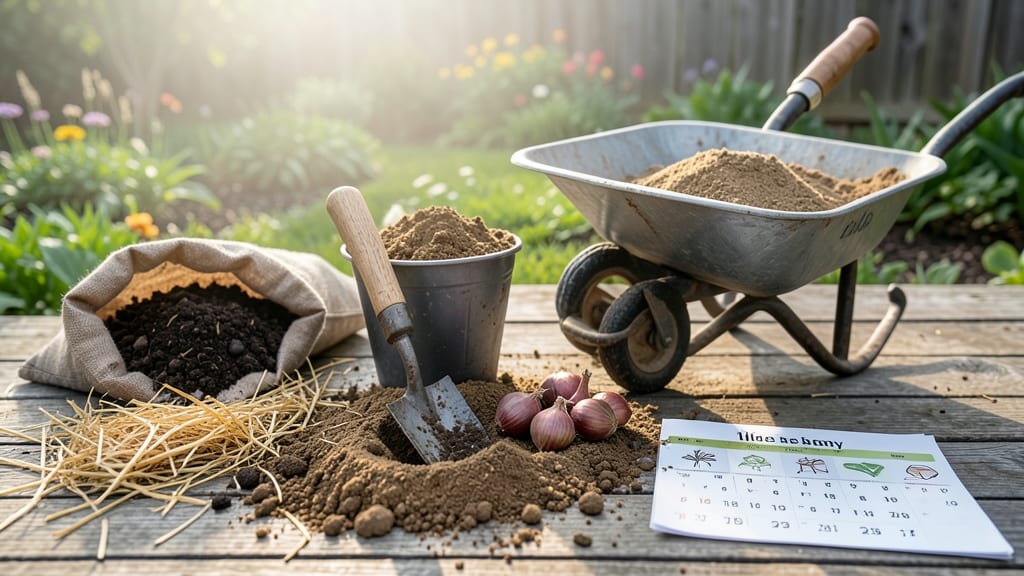
Timing the planting of your 🌸 lily bulbs in Colorado can mean the difference between stunning summer blooms and a winter loss. With USDA zones 5-7 and unpredictable frost dates, getting the window right is everything—especially when those delicate bulbs need 4-6 weeks to establish roots before the ground freezes.
Most gardeners in Colorado swear by planting in September or October, but that’s not a one-size-fits-all answer. Whether you’re in Denver’s urban heat islands or the cooler high-altitude valleys near Colorado Springs, local microclimates can shift your ideal window by 2-3 weeks.
I’ll break down exactly when to dig in your region—and how to adjust if early frosts sneak up sooner than expected.
You might think planting earlier is better, but bulbs need time to root before winter sets in. Too soon, and they’ll rot; too late, and they won’t bloom.
I’ll show you how to check soil temps, pick the right variety for your zone, and even use the moon phases to your advantage for stronger growth.
Skip the guesswork and learn the zone-specific deadlines that’ll have your lilies thriving next summer. Let’s get those bulbs in the ground the right way—no frost surprises included.
Colorado’s exact lily bulb planting deadlines by hardiness Zone (5-7)
Colorado’s USDA hardiness zones 5–7 create unique challenges for lily bulb planting, where first frosts can arrive as early as mid-October in high-altitude areas. Unlike coastal regions, Colorado’s dry, cold winters demand precise timing—plant too early, and bulbs rot; too late, and they won’t establish roots before freeze.
The key? 6–8 weeks before your area’s first frost, adjusted for elevation.
For Denver (Zone 5b), aim to plant between September 15–October 15. In Colorado Springs (Zone 6a), extend your window to September 1–October 31. High-altitude areas like Fort Collins (Zone 4b–5a) need earlier action—August 15–September 30—to beat frost.
Always check your local frost dates via the Colorado Climate Center for precision.
Here’s the zone-specific breakdown for Colorado lilies, including soil temperature targets and frost-free windows to maximize next summer’s blooms:
| Zone | First Frost Avg. | Ideal Planting Window | Soil Temp Goal (°F) | Notes |
|---|---|---|---|---|
| Zone 5 (Denver, Boulder) | Mid-October | Sep 15–Oct 15 | 50–60°F | Use mulch after planting. |
| Zone 6 (Colorado Springs) | Late October | Sep 1–Oct 31 | 55–65°F | Tender lilies (e.g., Oriental) need earlier planting. |
| Zone 4 (Fort Collins, high altitude) | Early October | Aug 15–Sep 30 | 45–55°F | Prioritize hardy varieties like Asiatic lilies. |
| Zone 7 (Southern CO) | Early November | Sep 15–Nov 1 | 60–70°F | Later planting works for Trumpet lilies. |
Colorado’s elevation variations add complexity. For every 1,000 feet above 5,000 feet, adjust planting 2–3 weeks earlier. For example, Telluride (Zone 5) at 8,750 feet may need bulbs in by August 1.
Always test soil moisture—dry Colorado soil can fool you into thinking it’s ready when it’s not.
If you miss the ideal window, don’t panic. Asiatic lilies tolerate slightly later planting (up to November 1 in Zone 6), but Oriental lilies require the earliest dates. For high-altitude gardens, container planting with extra mulch extends your window by 2–4 weeks.
One critical mistake Colorado gardeners make? Ignoring microclimates. A south-facing slope in Denver may stay frost-free 2 weeks longer than a north-facing yard. Use this to your advantage—plant 1–2 weeks later in sheltered spots. Always monitor local weather forecasts for unexpected early frosts, especially in September.
For best results, pair planting with late-summer soil prep: amend with compost and sand (to improve drainage), then water deeply 24 hours before planting. This 60–70°F soil is ideal for root growth before winter dormancy. Mulch heavily (4–6 inches) after planting to insulate bulbs from freeze-thaw cycles.
Remember: Lily bulbs need time to root—aim for 4–6 weeks before frost. In Colorado’s short growing season, this means no last-minute planting. Plan ahead, and your summer blooms will reward you with vibrant, hardy lilies that thrive despite the Rockies’ challenges. 🌸
How to time lily bulb planting for Colorado’s unpredictable weather
Colorado’s variable frost dates and high-altitude microclimates demand precision when planting lily bulbs. Unlike warmer climates, timing isn’t just about months—it’s about soil temperatures, moon phases, and knowing which lily varieties thrive in your specific zone.
Get this wrong, and your bulbs may rot before winter or fail to bloom next summer. But master these strategies, and you’ll enjoy vibrant summer blooms year after year.
First, hardy lilies like Asiatic and Oriental varieties can handle Colorado’s USDA Zones 5-7, but Trumpet lilies need extra care. Plant them 4-6 weeks before your area’s first hard frost—typically mid-September to early October in Denver, but late August to mid-September in high-altitude areas like Vail or Aspen.
Use your local Almanac frost dates as a guide, but always double-check with a soil thermometer.
🌱
🌱 Key Timing Strategies for Colorado Lilies
- Soil Temp Check: Wait until soil cools to 60°F (15°C)—use a thermometer to avoid planting too early. Warm soil speeds up growth, risking frost damage.
- Moon Phase: Plant during the waxing moon (increasing light) for stronger roots. This old-school trick works surprisingly well in Colorado’s dry climate.
- Bulb Depth: Bury Asiatic lilies 6 inches deep and Oriental lilies 8 inches deep—deeper = better frost protection in high-altitude zones.
- Microclimates Matter: South-facing slopes warm faster; plant there first. North-facing areas? Wait 1-2 weeks later to avoid early frosts.
- Frost Watch: Use a frost cloth if planting in late October—it buys you 2-3 extra weeks of root growth before winter.
Don’t let Colorado’s late-season storms catch you off guard. If you miss the ideal September-October window, you can still plant in early November, but cover bulbs with 4-6 inches of mulch to insulate them.
For high-altitude gardens (Zone 6-7), aim for late August—cooler temps mean bulbs need more time to establish roots before winter.
Pro tip: Label your bulbs by variety and planting date. This helps track which lilies thrive in your specific microclimate. For example, Oriental lilies often bloom later in Colorado’s short growing season, so give them the earliest planting slot for maximum impact.
Finally, avoid planting in spring—lily bulbs need cool dormancy to develop strong roots. Spring-planted bulbs often flop in Colorado’s hot, dry summers.
Instead, treat fall planting like a race against frost: plant early enough for roots to form, but not so early that bulbs sprout and get fried by a sudden October freeze.
With these strategies, your lily bulbs will survive Colorado’s winters and reward you with showstopping summer blooms. Happy planting! 🌸