
Plants
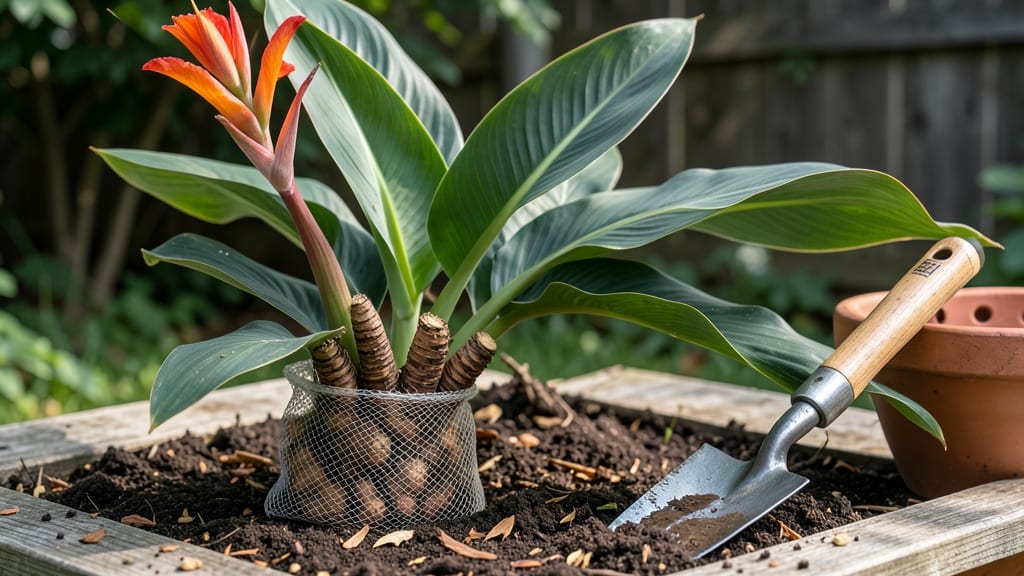
Timing when to plant canna bulbs in Texas is the difference between a show-stopping summer garden and a sad, frost-nipped disappointment. These tropical beauties 🌺 thrive in the Lone Star State's heat, but get it wrong, and you'll watch your bulbs wilt before they even bloom.
Most Texas gardeners know the drill: wait until after the last frost date, but here's the catch—frost dates vary wildly from North Texas to South Texas. In Zone 8a, that means March planting, while Zone 10b gardeners can start as early as February.
The key is understanding your specific heat zone and soil warmth, not just air temperature.
I've helped countless Texas gardeners master this timing game, and there's a simple secret: plant when soil temps hit 60°F consistently. That's your green light to get those bulbs in the ground—whether you're going for spring blooms or fall planting for next year's show.
Let me walk you through the exact windows and prep work that'll have your Cannas thriving all season.
From container growing hacks for urban gardeners to mulching tricks for clay-heavy Texas soil, we'll cover everything you need to know. No more guessing games—just vibrant, frost-free Canna Lilies that'll be the talk of your neighborhood garden.
Texas heat-Zone map: best months to plant canna bulbs by region
Texas’s diverse climate means canna bulbs can thrive year-round in some areas, while others need precise timing to avoid frost damage. The state spans USDA zones 8a-10b and heat zones A-F, creating a patchwork of planting windows.
South Texas gardeners can start as early as late February, while North Texas must wait until late April—or risk losing tender cannas to late frosts.
Understanding your local heat zone and last frost date is critical. For example, Houston (Zone 9a) has a January 15 frost date, while Dallas (Zone 8a) faces frost until February 15.
Planting too early in colder zones can mean wilting foliage or even bulb death—so timing matters more than you’d think!
Below, I’ve mapped out the ideal planting windows for each Texas region, including fall planting options for warmer zones. Use this as your guide to maximize blooms and minimize frost risk.
Pre-planting prep: soil, sunlight, and frost-proofing tips for Texas cannas
Before you even think about popping those canna bulbs into the ground, Texas’s heavy clay soil and unpredictable frost dates demand some serious prep work. I’ve learned the hard way—skipping soil amendments or ignoring microclimates can mean wilted dreams by July.
Let’s get your garden ready for tropical cannas that thrive all season long.
Start with a soil test—Texas clay holds moisture like a sponge, and cannas hate soggy roots. Aim for soil with a pH between 6.0 and 7.0. If your test shows lower numbers, mix in garden lime (about 1 lb per 100 sq ft).
For drainage, blend in compost or sand—I use a 50/50 mix for my raised beds, and it’s made all the difference.
Now, let’s talk sunlight exposure. Cannas are sun-worshippers, needing 6+ hours of direct sun daily. In North Texas, this means a south-facing spot is ideal—avoid shady backyards unless you’re growing dwarf varieties.
South Texas gardeners? You’re golden—most yards get enough sun, but watch for afternoon shade near trees or fences during peak summer heat.