
Plants
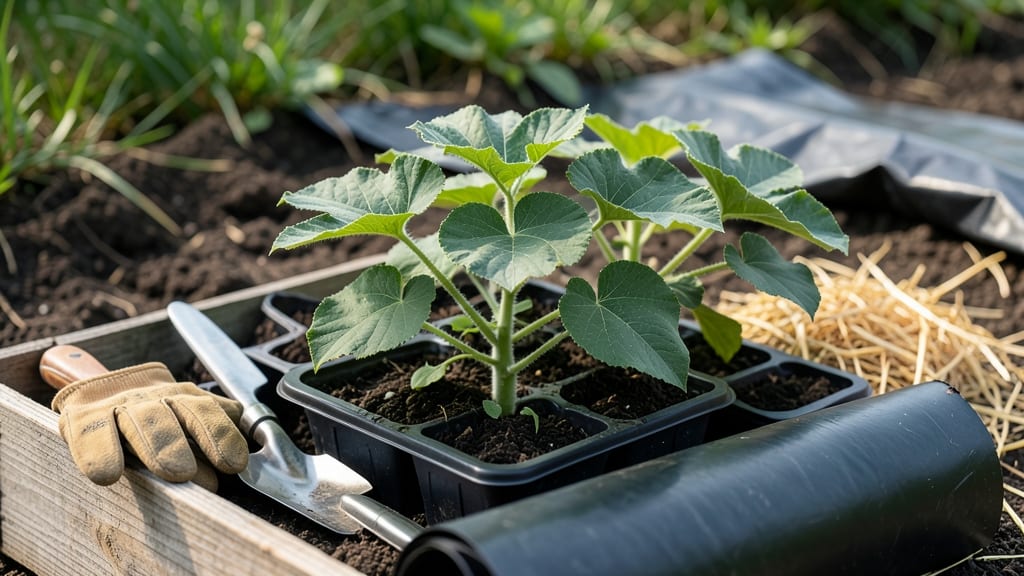
Planting cantaloupe in North Texas isn’t just about throwing seeds in the dirt—it’s about timing it perfectly to beat the last frost and harness the heat.
The 🍈 thrives when soil temperatures hit 70°F or warmer, which usually means waiting until mid-March to mid-April, right after that pesky frost date passes.
Here’s the catch: if you plant too early, your seedlings will wilt from cold soil, and if you wait too long, the brutal North Texas summers might stunt growth before harvest.
The key is to align your planting with the 90-day heat window between March 15 and June 15, giving your cantaloupe enough time to mature before the first frost sneaks in around November 15.
I’ve learned the hard way that skipping soil prep or ignoring heat thresholds can turn a promising crop into a bust. But with the right techniques—like using black plastic mulch to warm the soil faster or choosing fast-maturing varieties—you can turn your garden into a cantaloupe goldmine.
Let’s break down the exact steps to nail your planting window, from soil temperature checks to avoiding common pitfalls that even experienced gardeners overlook.
North Texas cantaloupe planting calendar: frost dates, heat zones & critical deadlines
Cantaloupe thrives in North Texas's USDA Zone 8a/8b, but timing is everything. The 90-day heat-zone window (March 15–June 15) is your golden opportunity—plant too early and frost zaps seedlings, too late and scorching heat stunts growth. Let’s break down the exact dates and conditions for success.
Your last average frost date in North Texas falls between February 15–March 15, but cantaloupe seeds won’t germinate until soil hits 60°F+—typically mid-March. Air temperatures must stay above 70°F for consistent growth, which usually aligns with late March to early April.
Here’s your critical timeline: Plant March 15–April 15 for a June–August harvest before the first frost (Sept 15–Oct 15). Miss this window, and you’ll face poor pollination (needs 85°F+) or bitter fruit from heat stress.
| Stage | Action | Notes |
|---|---|---|
| Soil Prep | Test pH (6.0–6.8), amend with compost | Use black plastic mulch to warm soil faster |
| Planting Window | March 15–April 15 | Wait for soil ≥60°F, air ≥70°F |
| Germination | 5–10 days (soil 60°F+) | Thin seedlings to 3–4 ft apart |
| Fruiting Peak | June–July | Needs 85°F+ for pollination |
| Harvest Deadline | Before Sept 15 | First frost risk after this date |
North Texas’s summer heat (June–August) is ideal for cantaloupe—85–95°F speeds up growth and sweetens fruit. However, temperatures above 100°F can cause blossom drop or poor fruit set. Monitor your garden’s microclimate: Shade cloth (30–50%) can help during extreme heat waves.
Pro Tip: Use a soil thermometer—cantaloupe seeds won’t sprout below 60°F, and vines struggle below 55°F. If your soil is still cold in March, wait or use black plastic mulch to raise temperatures by 5–10°F. This trick is a game-changer for early plantings.
Avoid these mistakes: Planting in February (frost risk) or May (late harvest before frost). Stick to the March–April window for reliable results. Varieties like ‘Athena’ (75 days) or ‘Hale’s Best’ (80 days) are perfect for North Texas’s short season.
Local Tip: Check the Texas A&M AgriLife Extension for your exact county’s frost dates—they vary slightly (e.g., Dallas vs. Lubbock). A 5–7 day buffer after the average last frost ensures safety for tender seedlings.
Once planted, cantaloupe needs consistent moisture (1–1.5 inches/week) and rich soil (compost + balanced fertilizer). Skip the fertilizer in September to avoid late-season growth that won’t mature before frost. 🍈
Direct sowing vs. transplanting cantaloupe in North Texas: Pros, Cons & Best practices
North Texas gardeners often debate whether to direct sow cantaloupe seeds or transplant young seedlings. Both methods work, but each has trade-offs that directly impact your harvest. I’ve tried both—here’s what I’ve learned about cost, timing, and success rates in our hot, dry climate.
Direct sowing is the traditional method for cantaloupe. You plant seeds directly into the garden after the last frost (typically mid-March to mid-April in North Texas). This method saves money since you skip buying seedlings, but it requires patience—germination can take 7–14 days in warm soil (60°F+). The biggest challenge? Controlling spacing. Cantaloupe vines spread 3–6 feet, so overcrowding leads to poor air circulation and powdery mildew.
Transplanting gives you a head start. Start seeds indoors 4–6 weeks before the last frost (around mid-January to early February for North Texas) or buy healthy seedlings from a local nursery. Transplants mature 2–3 weeks faster, but they’re more expensive and vulnerable to heat shock if moved too soon. Acclimate seedlings to outdoor temps gradually over 7–10 days to avoid stress.
Direct Sowing vs. Transplanting: Pros & Cons
Direct Sowing
- ✅ Pros: Cost-effective, no transplant shock
- ✅ Best for: Large gardens, beginner gardeners
- ❌ Cons: Slower germination, hard to control spacing
- ❌ Risk: Frost damage if planted too early
Transplanting
- ✅ Pros: Faster maturity, easier spacing control
- ✅ Best for: Small gardens, short seasons
- ❌ Cons: Higher cost, transplant shock risk
- ❌ Requires: Gradual hardening-off period
For direct sowing, plant seeds 1 inch deep and 3–4 feet apart in full sun (6+ hours daily). Use black plastic mulch to warm the soil faster and suppress weeds. In North Texas, aim for soil temps of 70°F+—use a soil thermometer to check.
If you’re sowing in late March, cover seeds with row fabric for the first week to protect tender seedlings from unpredictable late frosts.
If you choose transplanting, select 2–3-week-old seedlings with 2–3 true leaves. Harden them off by placing them outdoors in partial shade for 3–4 hours/day, increasing exposure over 7–10 days. Transplant on a cool, cloudy day to reduce stress.
Bury seedlings deeper than usual—up to the first set of leaves—to encourage stronger root growth. Water deeply after transplanting to settle the soil and reduce air pockets.
Pro Tip: In North Texas’s USDA Zone 8a/8b, cantaloupe thrives in summer heat (85°F+). If you transplant too early (before mid-April), seedlings may bolt (flower prematurely) or suffer from heat stress. Wait until nighttime temps stay above 55°F consistently before transplanting.
Both methods can yield sweet, ripe cantaloupe—it’s all about matching your approach to your garden’s size, budget, and local climate quirks. I’ve had the most success with direct sowing in early April combined with black plastic mulch to extend the season.
But if I’m short on space, I’ll transplant Athena variety (75-day maturity) for a quicker harvest.