
Plants
Timing your cantaloupe 🍈 planting in Zone 8b isn't just about avoiding frost—it's about catching that sweet spot between soil warmth and summer heat. Plant too early, and your seeds might rot in cool soil; too late, and your vines could struggle to mature before the season cools.
The key is understanding when your soil hits that 60°F+ threshold, typically mid-March to early May in this zone.
Most gardeners in Zone 8b wait until after the average last frost date (March 15) to plant cantaloupe, but soil temperature is the real game-changer. Even if the air feels warm, cold ground can stall germination.
That's why I recommend using a soil thermometer—it takes the guesswork out of timing and ensures your seeds sprout strong and fast.
Once planted, cantaloupes need consistent warmth to thrive, which is why spring planting is your best bet in Zone 8b. But here's the catch: late-spring heat spikes can stress young plants if they're not acclimated properly.
We'll cover how to adjust your planting schedule to account for these fluctuations while still maximizing your harvest window from July to September.
Whether you're a first-time grower or a seasoned gardener, getting this timing right means the difference between a few sad melons and a vine heavy with sweet, ripe fruit. Let's break down exactly how to sync your planting with Zone 8b's unique climate for the best possible results.
Optimal planting window for cantaloupe in Zone 8b based on soil temperature
In Zone 8b, cantaloupe thrives when soil temperatures consistently stay above 60°F, but true warmth (70°F+) triggers faster germination and growth. Since Zone 8b’s last frost typically occurs around March 15, I recommend waiting until mid-April to plant seeds directly in the ground for best results.
This timing balances frost risk with the need for warm soil—critical for cantaloupe’s success.
For transplants, which are more resilient, you can start slightly earlier—around early April—but only if your soil has warmed sufficiently. A simple soil thermometer check ensures you’re planting when conditions are ideal.
Cold soil slows germination and invites rot, so patience here pays off in stronger vines and better fruit set.
Here’s the key: Zone 8b’s unpredictable late-spring heat spikes can stress young plants if planted too early. Aim for after April 15 to avoid sudden temperature swings that can stunt growth.
If you’re in a cooler microclimate within Zone 8b, push planting to early May—your cantaloupes will thank you with vigorous vines and abundant blooms.
🌱
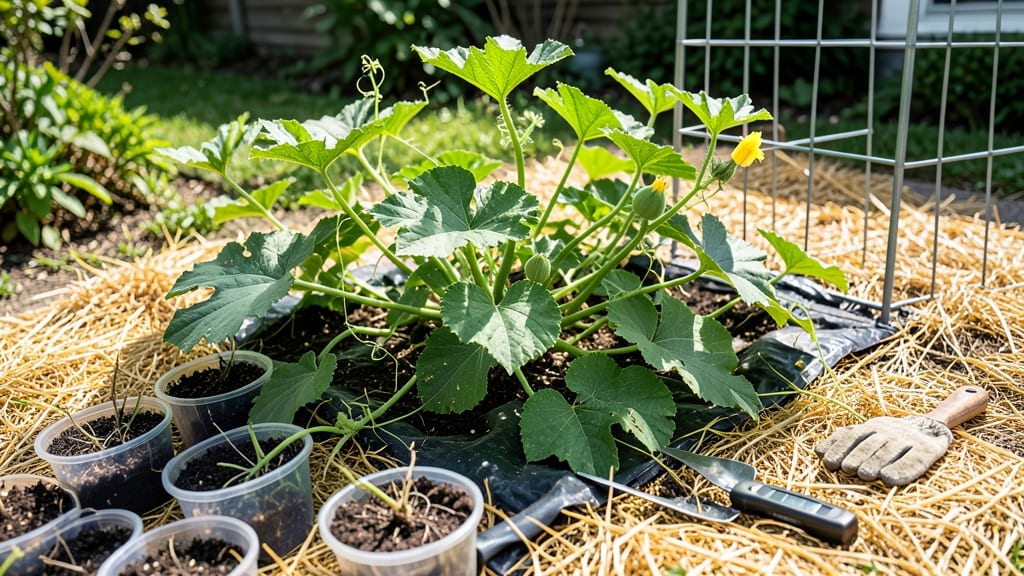
If you’re using black plastic mulch—a game-changer for Zone 8b gardeners—you can plant seeds 2-3 weeks earlier than the table suggests. The mulch warms the soil faster, mimicking summer conditions and accelerating germination.
I’ve seen cantaloupe seeds sprout in just 5-7 days with this method, compared to 10-14 days in unmulched soil.
For those in higher-elevation areas of Zone 8b, where nights stay cooler, consider staggered planting: sow half your seeds in mid-April and the rest in early May. This spreads out your harvest and reduces the risk of losing everything to a late frost or heatwave.
It’s a small extra effort that pays off with melons ripening over a longer period.
One common mistake I see is planting cantaloupe too early and then struggling with blossom-end rot or stunted growth. This happens when soil temperatures are still fluctuating.
Always wait until your soil thermometer reads 60°F+ for 3 consecutive days before planting. This simple step ensures your cantaloupes get off to a strong start.
🌿
Pro tip: Pair your cantaloupe planting with companion plants like bush beans or radishes to improve soil structure and deter pests. These plants thrive in similar conditions and create a symbiotic growing environment.
Plus, the radishes can be harvested early, leaving space for the cantaloupe vines to sprawl without competition.
Finally, remember that Zone 8b’s summer heat is your cantaloupe’s friend—once established, these plants love the warmth. But the key to success lies in that critical early window.
Get your seeds in the ground at the right time, and you’ll be enjoying homegrown cantaloupes by mid-summer, just in time for picnics and fresh snacks.
Optimal planting window for cantaloupe in Zone 8b based on soil temperature
In Zone 8b, cantaloupes demand precise timing to thrive—plant too early, and frost-sensitive seedlings will fail; too late, and summer’s heat may stress fruit development.
The key is aligning your planting with soil temperatures and frost-free dates, which in Zone 8b typically run from mid-March to early May. For seeds, wait until the soil reaches 60°F+, while transplants can handle slightly cooler soil around 55°F.
Zone 8b’s average last frost date is March 15, but microclimates near coasts or elevations may push this back to April 1. Use a soil thermometer to confirm readiness—cantaloupes won’t germinate in cold soil.
If your area has unpredictable late frosts, opt for transplants (available at nurseries by early April) to shave critical weeks off the growing season.
Here’s the critical timeline for Zone 8b gardeners: Plant seeds 2–3 weeks after your last frost (usually early April), or transplant seedlings 1–2 weeks after soil warms to 60°F.
For a second harvest, consider a late-June succession planting of quick-maturing varieties like ‘Athena’, which can produce fruit before fall’s first frost.
| Stage | Action | Zone 8b Timing |
|---|---|---|
| Soil Prep | Test pH (6.0–6.8), amend with compost | February–March |
| Seed Planting | 1 inch deep, 3–4 ft apart | Early April (soil 60°F+) |
| Transplant | Hardy seedlings, 1–2 ft apart | Mid-April (soil 55°F+) |
| Fruiting Peak | Support vines, monitor pests | June–August |
| Harvest | Slip stem test, creamy rind | July–September |
Pro tip: Use black plastic mulch to raise soil temperatures by 5–10°F, accelerating germination and growth. This is especially useful in Zone 8b’s late-spring heat spikes, where soil can cool rapidly at night. Pair this with drip irrigation to maintain consistent moisture—cantaloupes wilt quickly in fluctuating temperatures.
If you’re in a cooler microclimate within Zone 8b (e.g., near mountains), extend your planting window by 1–2 weeks and choose earlier-maturing varieties like ‘Hale’s Best’ (70 days).
Conversely, in hotter inland areas, you can push planting to mid-May for a fall harvest, though yields may be smaller due to shorter daylight.
Remember: Heat stress (above 90°F) can reduce fruit set, so prioritize morning watering and shade cloth if your Zone 8b summers are intense. With the right timing, you’ll enjoy sweet, ripe cantaloupes by late summer—just in time for picnic season! 🍈