
Trees
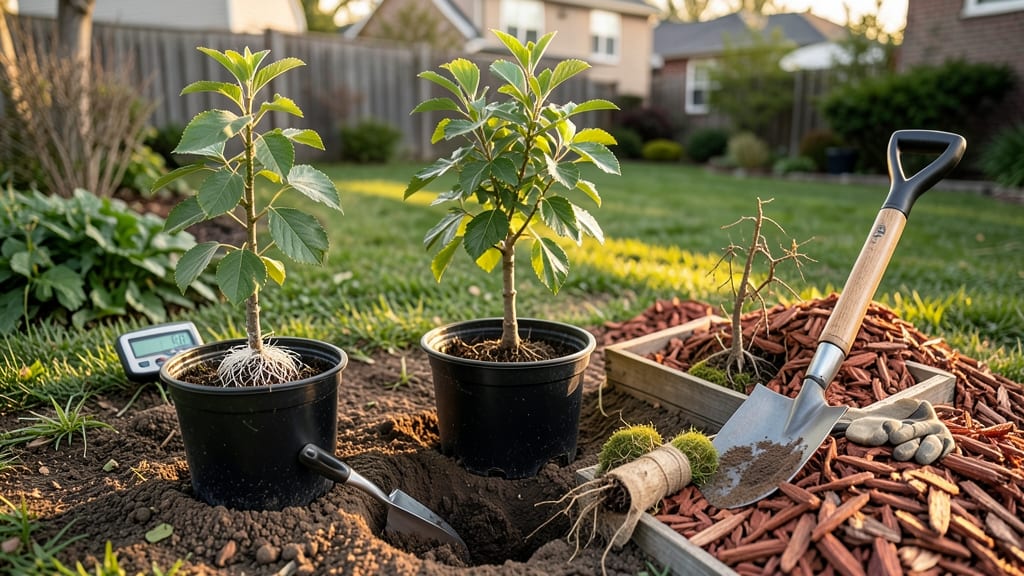
Planting fruit trees in North Texas at the wrong time can mean the difference between a thriving orchard and a sad, stunted 🍎—and the key to success starts with understanding soil temperature triggers.
Late winter might seem like the perfect window, but without checking those underground conditions, you risk planting too early or too late for your tree's roots to establish properly.
Most North Texas gardeners in USDA Zone 8a know February through early March is ideal, but here's the secret: your fruit tree's roots need soil temps between 60-75°F to take off.
Plant too soon, and cold snaps can shock delicate roots; wait too long, and you miss the critical window before summer heat sets in. I'll show you exactly how to time it right for peaches, pecans, and other varieties that flourish in our climate.
Why does this matter? Because getting the timing perfect means faster establishment, stronger growth, and more fruit in your future. We're talking about trees that can reach 20 feet tall in just a few years when given the right start.
Let me walk you through the exact soil temperature checks and planting strategies that will give your fruit trees the best possible beginning in North Texas' unique growing conditions.
From testing soil warmth to choosing the right varieties for your microclimate, you'll discover how to turn your planting season into a game-changer for your orchard.
Whether you're planting bare-root saplings or container-grown trees, these insights will help you avoid common mistakes and set your fruit trees up for success from day one.
North Texas fruit tree planting calendar: best months by soil temperature
North Texas gardeners face a unique challenge: our USDA Zones 7b-8b offer a short window for planting fruit trees, but timing can make or break your tree's success. The key? Soil temperatures between 60-75°F—this range signals roots can establish without heat stress or winter dormancy.
For most fruit trees, this means February through early March is prime time, but citrus and figs need warmer soil, pushing their window to late March or April.
Why does soil temperature matter so much? When roots are planted in cold soil (<50°F), they can't absorb water or nutrients properly, leading to stunted growth or death. Conversely, planting too late risks exposing young trees to summer heat stress before they've built root strength.
North Texas' last average frost date (March 1 in most areas) acts as a secondary guide—plant at least 6-8 weeks before to give roots time to anchor.
Here’s the catch: Microclimates matter. Dallas and Fort Worth typically hit ideal soil temps 2-3 weeks earlier than Waco or high-elevation areas like Denton. Use a soil thermometer (more on this later) to confirm your specific site’s readiness.
For example, pecan trees thrive when planted in January-February, while peach trees prefer February-March to avoid late frost damage to blossoms.
Let’s break down the optimal planting windows by fruit type and soil conditions. The table below shows when to plant based on soil temperature triggers, regional variations, and tree maturity stages.
Remember: Bare-root trees (cheaper and easier to plant) need moist soil, while container-grown trees can handle slightly drier conditions but require more frequent watering post-planting.
| Fruit Type | Optimal Planting Window | Soil Temp Requirement | North Texas Microclimate Notes |
|---|---|---|---|
| Pecan | January–February | 55–65°F | Best in Dallas/Fort Worth; Waco waits until late Feb. |
| Peach/Plum | February–Early March | 60–70°F | Avoid planting after March 15 to prevent frost damage to blossoms. |
| Persimmon | Late February–March | 58–68°F | Tolerates slightly cooler soil; ideal for high-elevation areas. |
| Fig | March–April | 65–75°F | Wait until soil is warm to avoid root rot. |
| Citrus (e.g., Meyer Lemon) | April–May | 70–80°F | Only viable in Zone 8b (e.g., southern Dallas). |
If you’re planting in December or January, focus on bare-root trees and prioritize pecans or persimmons, which handle cooler soil better. These months are ideal for container-grown trees too, as their roots are already established.
However, avoid planting after mid-March unless you’re dealing with heat-loving varieties like figs or citrus, as summer heat can shock young roots.
One common mistake? Planting too early and then hitting a late frost. North Texas is notorious for unpredictable spring weather, so always monitor forecasts from the National Weather Service or local agricultural extensions.
For example, Dallas often sees frost until March 15, while Waco can experience frost into early April. If frost is forecasted within 2 weeks of planting, delay until conditions stabilize.
Pro tip: Mulch heavily (3–4 inches of organic mulch like wood chips) after planting to insulate roots and maintain even soil temperatures. This is especially critical in high-elevation areas where soil cools faster.
Pair mulching with a drip irrigation system set to water deeply 2–3 times per week for the first month to encourage root growth.
For gardeners in urban areas (e.g., Dallas or Fort Worth), consider container planting for smaller varieties like dwarf peach trees. Containers warm up faster in spring, giving you a 2-week head start on in-ground planting.
Just ensure containers have drainage holes and use a high-quality potting mix to prevent compaction.
Finally, don’t overlook rootstock compatibility. Some fruit trees (like peaches) need cold stratification to break dormancy, while others (like figs) thrive with minimal chill hours. Check with local nurseries for North Texas-adapted rootstocks—these are bred to handle our hot summers and occasional freezes.
Ready to plant? Grab your soil thermometer and start testing your garden beds now. The earlier you confirm your soil’s readiness, the better your fruit trees will establish—and the sooner you’ll enjoy homegrown peaches, pecans, or persimmons! 🌱
How to test soil temperature before planting fruit trees in North Texas
Planting your fruit trees when the soil is too cold can leave roots vulnerable to frost damage or slow growth. In North Texas, where temperatures fluctuate wildly, soil temperature becomes your best friend for timing.
The ideal range for planting is between 60°F and 75°F, but how do you know when your soil hits that sweet spot?
Start by investing in a simple soil thermometer—they’re cheap and available at garden centers. Stick it 6 inches deep (where roots will establish) and check readings daily in the late afternoon when soil is warmest.
If your thermometer reads below 50°F, wait a few more weeks, especially in high-elevation areas like the Hill Country.
Morning frost warnings? Don’t panic. North Texas’ last average frost date is around March 1, but microclimates vary.
If you’re in Dallas or Fort Worth, you might plant as early as February, while Waco’s slightly later frost dates may push you toward late February or early March. Always plant 2-3 weeks before the last frost date to give roots time to establish.
For bare-root trees, soak roots in water for 2-4 hours before planting to rehydrate them. Container-grown trees, however, can go straight in—just loosen the root ball first.
Both types need well-draining soil; amend heavy clay with compost or sand if needed. After planting, water deeply to eliminate air pockets around roots.
Pro tip: Use a mulch ring (straw or wood chips) to insulate roots and keep soil temps stable. Monitor soil temps for 2 weeks post-planting—if nights dip below freezing, cover young trees with frost cloth until they’re established.
Patience here pays off with healthier trees and bigger harvests next season.
Remember, citrus varieties (like Meyer lemons) need even warmer soil—wait until 70°F+—while pecans and persimmons tolerate cooler soil temps down to 55°F. Adjust your timing based on the tree you’re planting!