
Plants
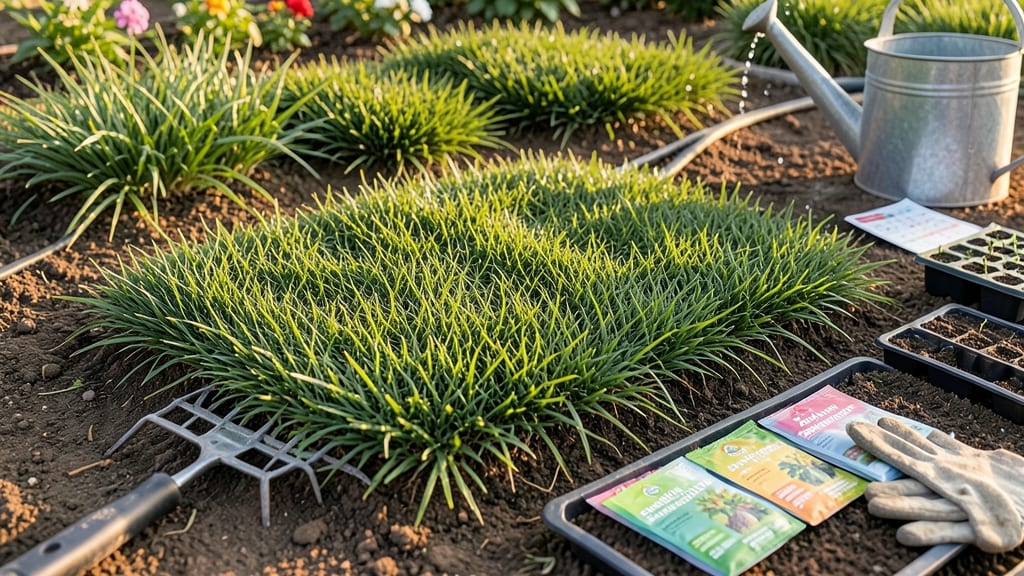
Planting your North Texas lawn at the wrong time—specifically when to plant grass in North Texas—can mean weak roots, winter die-off, or wasted seed. Knowing the exact soil temperature triggers is the key to a lush, frost-resistant yard.
In USDA Zone 8a, the best window for planting grass (🌱) is August through October, when soil temps hover between 60-68°F. This ideal range lets roots establish before winter, while spring planting risks heat stress.
Let’s break down the perfect timing for your Dallas-Fort Worth or Amarillo lawn.
Why does timing matter so much? Cool-season grasses like Fescue thrive when planted 4-6 weeks before frost, while warm-season varieties need consistent heat. I’ll show you how to test soil temps and pick the best grass type for your area.
Skip the guesswork—master these fast techniques, and you’ll have a lawn that survives North Texas winters and thrives all year. Ready to dig in?
North Texas grass planting timeline by soil temperature (not calendar date)
North Texas gardeners know that planting grass at the wrong time can lead to weak roots, winter die-off, or wasted seed—so focusing on soil temperature (not just calendar dates) is the secret to a thick, frost-resistant lawn.
The ideal window for most grass types is when soil temps hover between 60°F and 68°F, allowing seeds to germinate quickly before winter stress sets in.
Why soil temperature? Grass seeds need consistent warmth to break dormancy, but too much heat (like July’s 90°F+) can bake seeds before they sprout. In North Texas, this means fall planting (September–October) is your best bet—spring planting (March–April) works but carries higher risks of drought stress or fungal issues.
Here’s the breakdown by region: Dallas-Fort Worth typically hits 60°F soil temps in mid-September, while Waco and Amarillo lag 1–2 weeks later due to cooler high-desert climates. Zoysia and Bermuda grasses thrive in these conditions, while tall fescue and ryegrass prefer slightly cooler soil (55°F–65°F) for fall establishment.
🌱
If you’re planting in spring, aim for March 15–April 15 when soil temps stabilize above 60°F. However, spring planting requires daily watering to prevent seed desiccation under North Texas’ intense sun. Bermuda and Zoysia are the hardiest choices for spring, while cool-season grasses like fescue struggle unless seeded in fall.
Pro tip: Use a soil thermometer (available for $10–$15) to confirm temps—don’t guess! Dig 2–3 inches deep in a shady spot (soil stays cooler there) for the most accurate reading. Morning readings are best, as afternoon sun can skew results by 5°F or more.
For drought-prone areas (like West Texas), consider native grasses like buffalo grass, which germinate at cooler soil temps (50°F–60°F) and require 30% less water once established. These varieties also handle early fall frosts better than traditional turfgrass.
🌿
One common mistake? Planting too early in late August when soil temps are still flirting with 70°F+. At these temperatures, seeds may sprout too quickly, leading to shallow roots that can’t survive winter. Wait until soil cools to 65°F or below for optimal root depth.
Finally, remember that watering depth matters more than frequency during establishment. After planting, water 1 inch per week (deeply, 2–3 times per week) to encourage roots to grow downward. Shallow watering creates weak, surface-level roots that freeze or bake out in North Texas’ extreme seasons.
How to test soil temperature before planting (simple DIY methods)
Planting grass in North Texas isn’t just about picking the right month—it’s about soil temperature. Warm-season grasses like Bermuda and Zoysia need soil at 60-68°F to germinate properly, while cool-season Fescue thrives in 55-65°F ranges. Testing your soil’s warmth before planting ensures your seed doesn’t sit dormant or rot.
You don’t need fancy equipment to check soil temperature. A simple soil thermometer (available for under $10) is your best tool. Insert the probe 4 inches deep—this mimics where grass roots will establish—and wait 30 seconds for an accurate reading.
Take measurements in the late afternoon when soil is warmest, but avoid direct sunlight, which can skew results.
🌱 Step-by-Step Soil Temperature Check
- Choose a sunny spot—grass needs full sun, so test where you’ll plant.
- Insert the thermometer 4 inches deep and hold for 30 seconds.
- Record the highest daily temp for 3 consecutive days (soil warms slowly).
- Compare to your grass type’s ideal range (see table below).
- If temps are too low, wait 7-10 days and retest.
Pro tip: Earthworms are nature’s soil thermometers. If you see them actively moving in your yard, your soil is likely in the 55-65°F range—perfect for cool-season grasses. For warm-season varieties, look for cracked soil (a sign of heat) and dry topsoil that crumbles easily.
Common mistakes can throw off your timing. Avoid testing after rainfall (soil stays cooler longer) or in shaded areas (temps lag behind sunny spots). Also, don’t rely on air temperature—soil heats up slower and stays warmer at night.
For example, a 90°F afternoon might feel hot, but your soil could still be 70°F—ideal for Bermuda but too warm for Fescue.
If you’re planting in spring, aim for March-April when soil temps stabilize in the 60-68°F range. For fall planting (the best time in North Texas), start testing in late August and plant once temps drop to 65-70°F.
This gives grass 4-6 weeks to root before first frost hits around November 15.
Remember: Consistency is key. Check soil temps for 3 days in a row to confirm the trend. If temps fluctuate wildly (e.g., 60°F one day, 75°F the next), wait for stability before planting. Patience now means a thicker, frost-resistant lawn come winter.